

In my second post about the recent Pride and Prejudice ball I attended, I mentioned that the Commonwealth Vintage Dancers did a small exhibition during the course of the evening, I even included pictures. Well, this is even better! A video of us dancing “The Cottage Bonnet,” a Regency period country dance, during the ball. This is the level of difficulty that’s being aimed for at the Regency Intensive Dance Weekend in April. Hopefully we can have an entire room full of people successfully dancing like this at the second, more formal ball of that weekend event! I hope you enjoy. It’s pretty fun!
Category: 1810s
Introducing the “Mar-pril Regency Sew Weekly”

What is that, you ask? It’s a group sew along!
Why? Well, you see, in April my friends and I will be participating in a Regency Intensive Dance Weekend hosted by the Commonwealth Vintage Dancers. There will be lots of dance classes in modern clothes, but also balls and day events in Regency clothing! Of course that means new clothes to be sewn during the months of March and April and some of us keep our motivation going better than others. This sew along is intended to encourage and sustain the motivation of all of us (and anyone else who is interested in participating!).

What do you have to do? Sew! Really, though, that’s it. You can make your goals as small or large as you need to. All you have to do is complete the goals as they come up, and then share your progress. That will keep you accountable, and hopefully encourage you to stay motivated.
Goal #1 (due March 18): Under Wear Ideas to complete this goal: make from scratch, finish, or trim something worn under another garment, a petticoat, underdress, shirt, or waistcoat could fall into that category, or maybe this is a great opportunity to trim a finished garment already in your closet.
Goal #2 (due March 25): Evening Wear Ideas to complete this goal: an all new garment (gown, breeches, waistcoat, or tailcoat, for example), finishing a garment in progress, trimming an already finished garment, sewing something to keep you warm while on your way to an evening event, or maybe completing accessories to wear or take with you to an evening event.
Goal #3 (due April 1): Day Wear Ideas to complete this goal: making, finishing, or trimming a dress, a spencer, a pelisse, a tailcoat, or a waistcoat, or perhaps completing accessories to wear or take with you to a day event.
Goal #4 (due April 8): Accessories Ideas to complete this goal: reticules, chemisettes, parasols, bonnets, gloves, hats, shoes, boots, stockings… this is a soft and easy goal so if you didn’t make one of the first three goals, this gives you a great catch-up opportunity!
Goal #5 (due April 12): Anything Left! You know there are always things you hoped to finish earlier but you’re still trying to finish them up at the last minute? Make this a goal to complete whatever it is you didn’t complete before now. Maybe that’s another accessory, or a hem, or some trim, or maybe it’s just gathering your thoughts and your clothes to pack for the weekend.
How do you participate? Take the MpRSW (Mar-pril Regency Sew Weekly) image at the top of this post and add it to your blog, if you have one. Then, as you complete the goals, post about it on your blog. Don’t forget to leave a comment here with a link back to your blog post!
Do you have to participate in all of the challenges to participate? Nope! Pick and choose as you wish. The overall goal is just to inspire creativity and completion of Regency related sewing projects!
Do you have to be attending the Regency Intensive Dance Weekend to participate? Of course not! Again, the goal is just to inspire creativity and completion of sewing projects!
If you’re also participating in the Historical Sew Fortnightly, as I am, then perhaps there will be times where the two sew-alongs overlap for you. I know that my HSF #6: Stripes (due March 25) item will also fit into a MpRSW goal, since it’s a Regency item. Other upcoming HSF challenges include #7: Accessorize (due April 8), which should be easy to use for overlap, since the MpRSW #4 goal: Accessories, is due the same day, and #8: By The Sea (due April 22).
Finally, let me just say that it would be pretty awesome if you’re out there in the blogging world and want to join in! This sew along is smilingly aimed at all of you who might enjoy a helpful hand of motivation to be fully sewn and fully clothed (ahead of time) for the Regency Intensive Dance Weekend, but I hope that doesn’t discourage you from participating, even if you won’t be at that event. Hopefully some of my sewing motivation will be passed on!
Lovely Clothes, Lovely Ball: Part II (Pride and Prejudice Ball 2013)
Last post, I shared pictures of my new 1813 evening dress and other related pretty clothes. This time we’re on to photos during the ball!


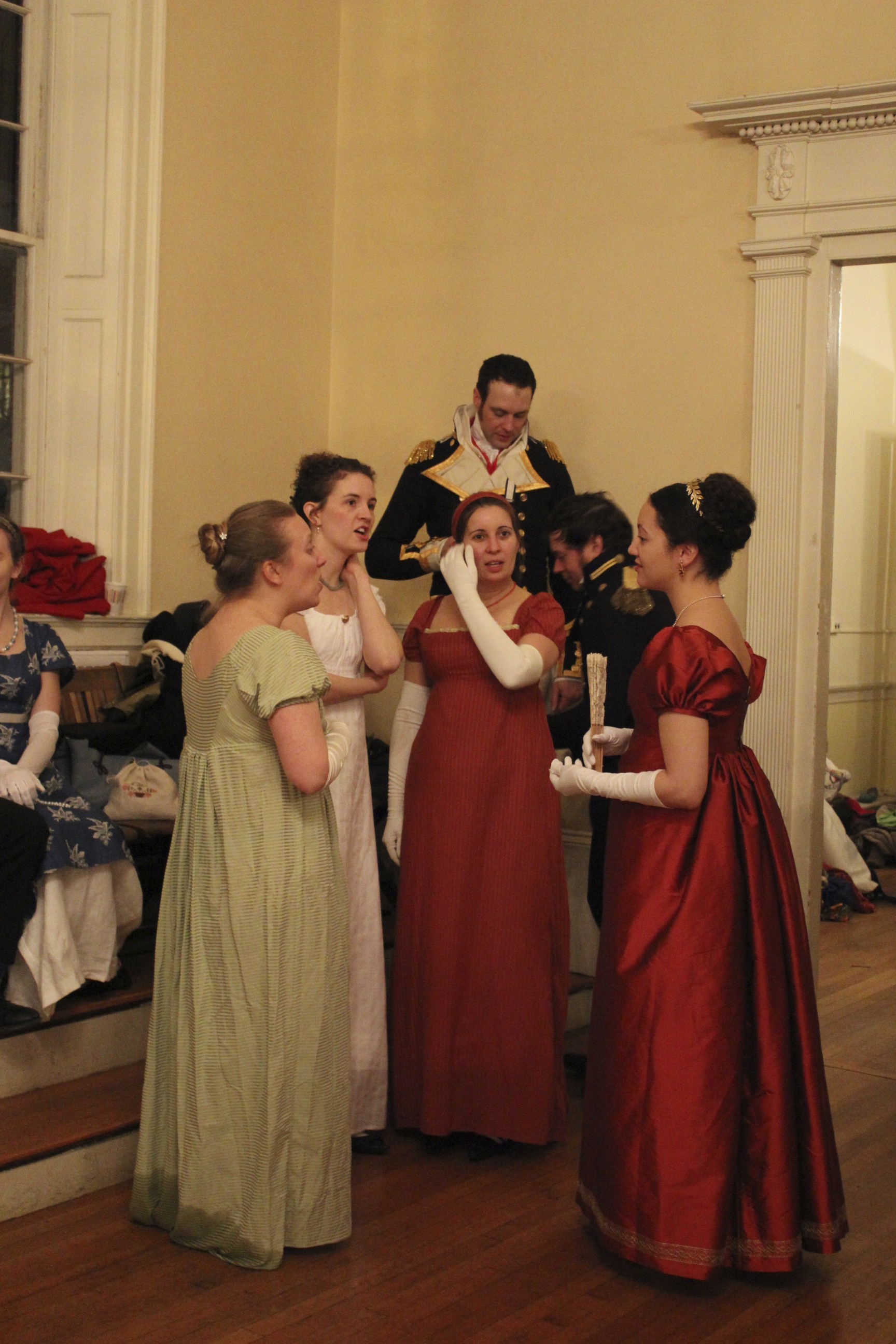


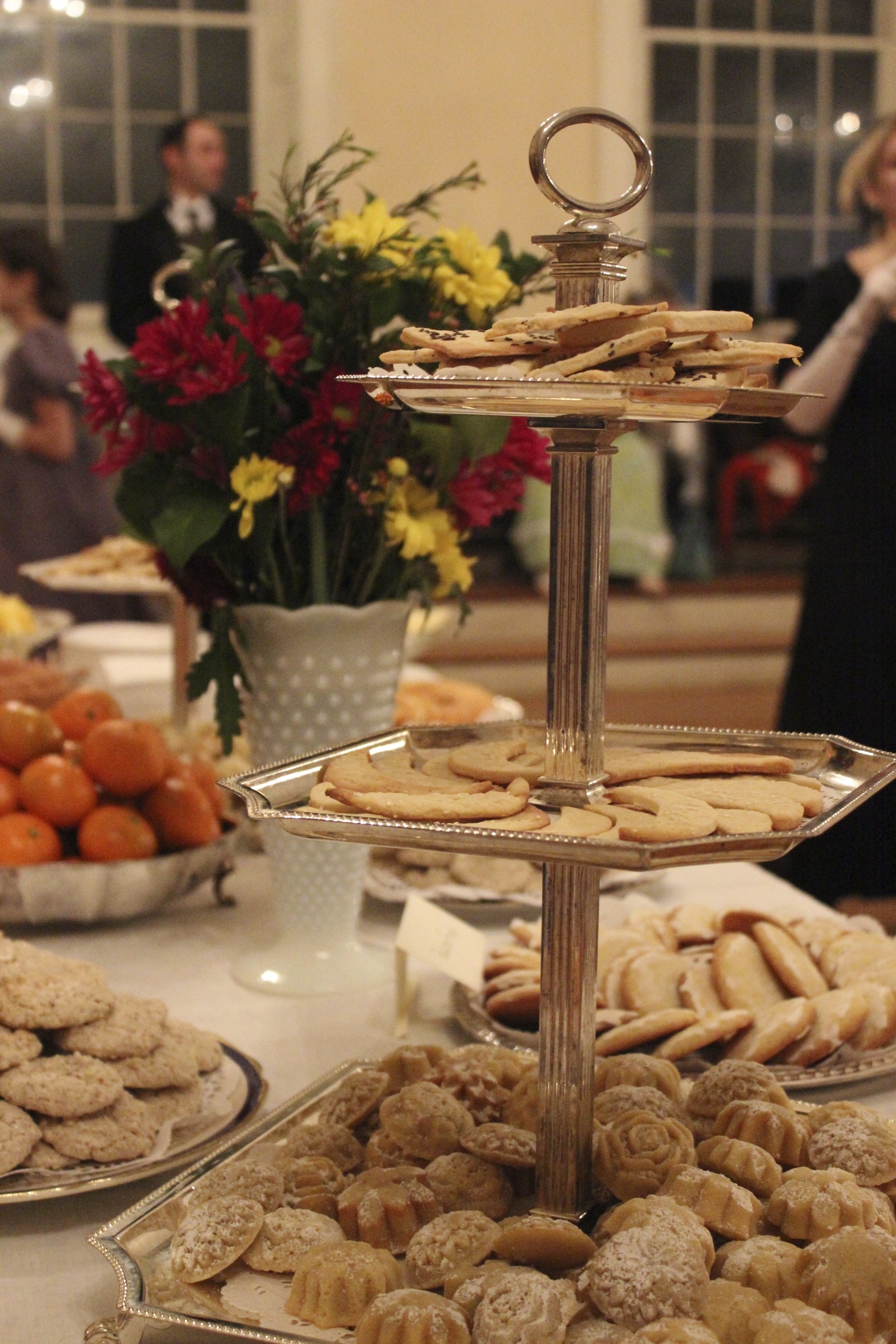

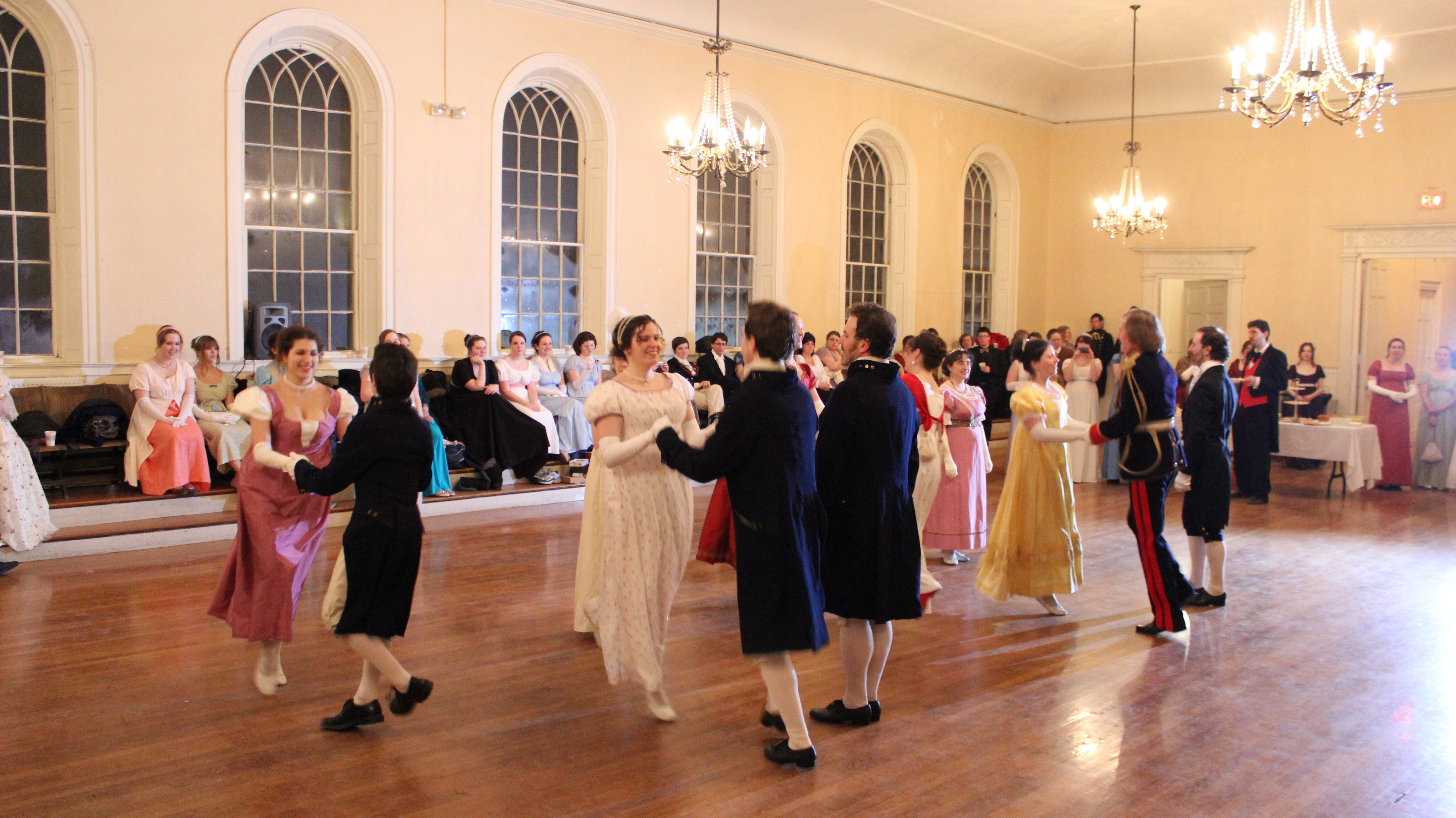


Anyway, all things considered it was a lovely evening with lovely people. It was particularly nice to see old friends, but also nice to see usual ball friends. And I thought we all looked pretty smashing, which really does add to the atmosphere. I just wish I hadn’t ripped my dress…
Lovely Clothes, Lovely Ball: Part I (Pride and Prejudice Ball 2013)
Another thing that the Nemo blizzard affected was the Commonwealth Vintage Dancers‘ Pride and Prejudice Ball. Luckily, the ball was able to be rescheduled for this past weekend, which means that I did wind up having an opportunity to wear my new 1813 red gown (my HSF #1 project) after all! And that means pictures! Lots of pictures, in fact. I think I’ll split this into two posts… To start: the clothes!


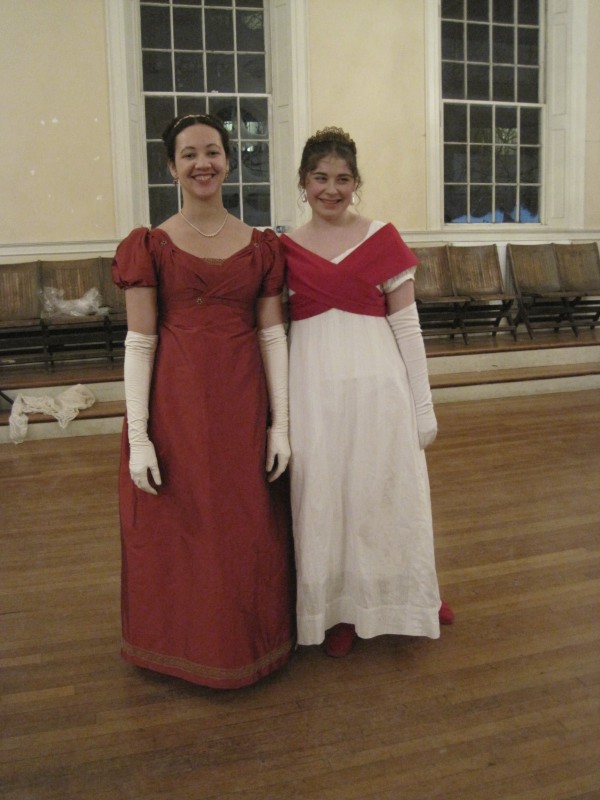
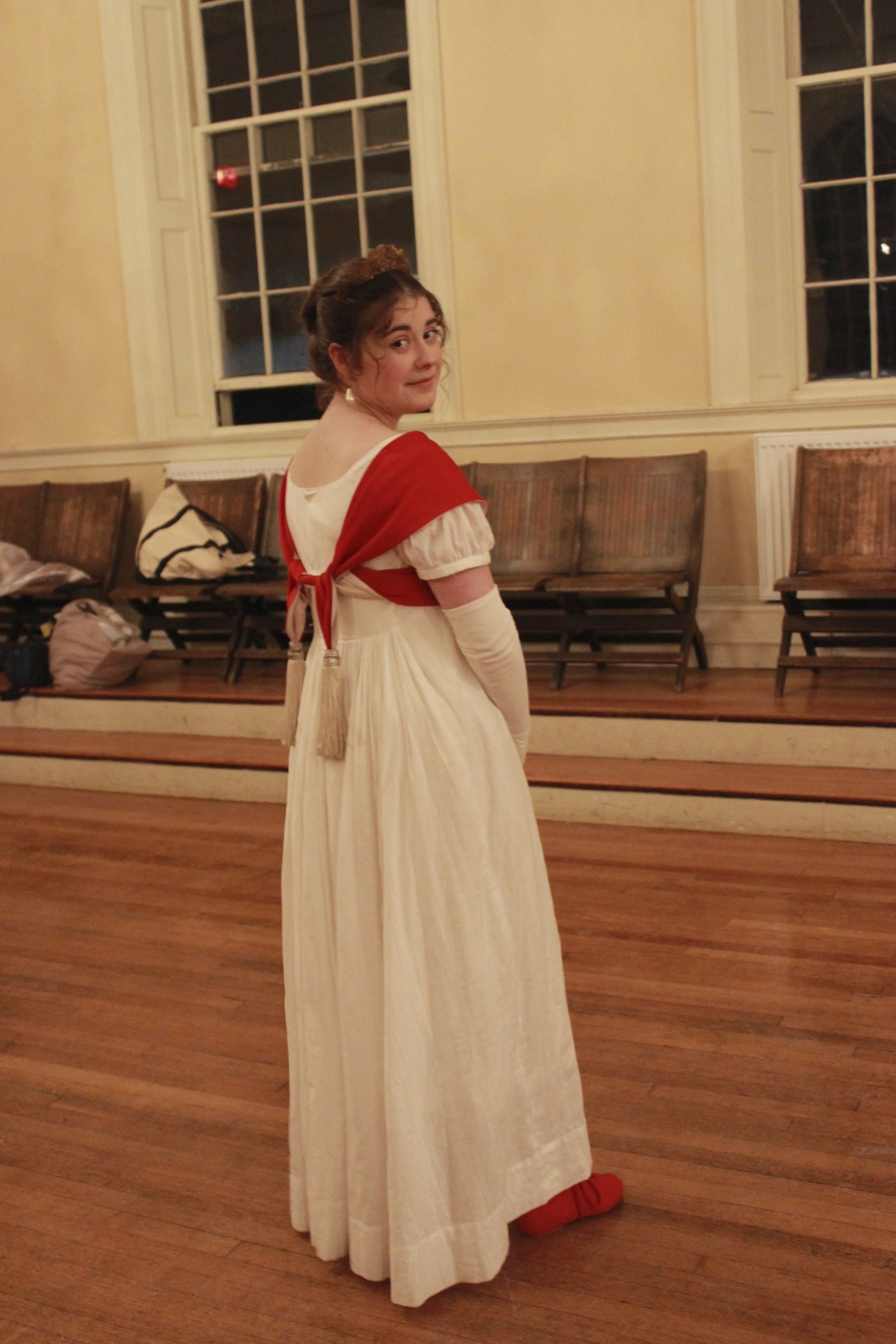


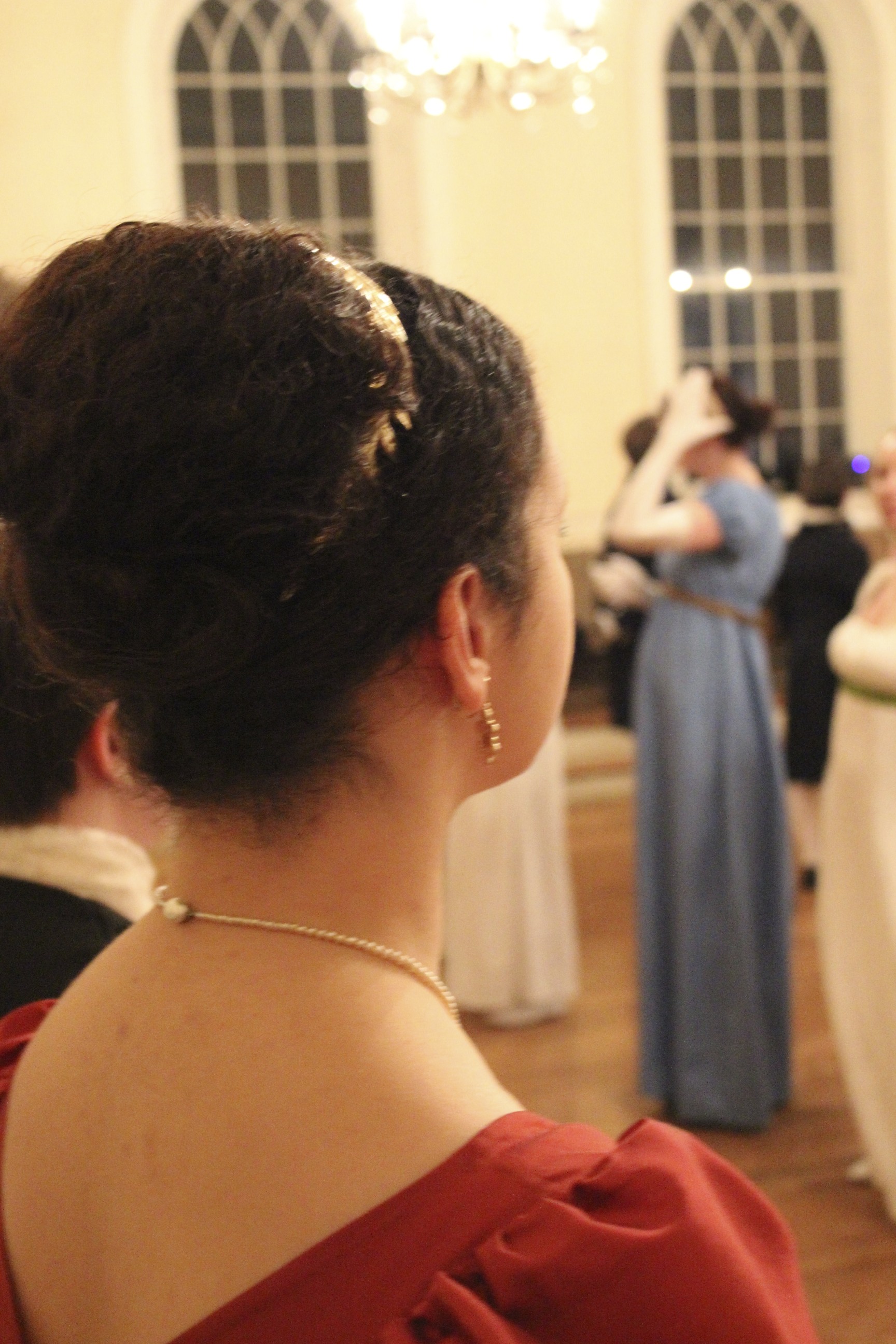

I thought everyone outdid their Regency selves and looked fantastic! I have to say, though, that not all these pictures are mine. Some are from a friend who caught all sorts of gorgeous moments! Thanks for sharing! More to come soon, with actual dancing and during the ball pictures.
An Excuse For Colored Shoes In The Regency

Isn’t this a cute fashion plate??? My favorite thing about it is her bright red shoes! My second favorite thing is that her bright red shoes match her red bodice! So cute!
First, this makes me want to wear colored shoes to a Regency ball. Often you see black or white in fashion plates, and our dance troupe tends to wear white to perform and also to balls out of habit, so without even thinking about it I usually pull out the neutral colored shoes… BUT! Extant shoes come in all sorts of colors, although maybe not quite as bright as these red ones. You can see some of them on my pinterest page here: Shoes: 1790-1829.
Second, that red bodice reminds me of this one that Natalie Garbett made for the HSF. Is it possible that this red one, like Natalie’s, is a separate piece from the dress? That would allow for more wardrobe options, certainly. I’m going to go on the assumption that it is, and congratulate this young lady in the fashion plate for being so coordinated and versatile in her wardrobe.

So… I’ve got a new dress to wear to an upcoming Regency ball that doesn’t really need a separate bodice to jazz it up. Do we think I can wear I can wear fun colored shoes without a separate bodice? I think probably yes, given that there are lots of extant colored shoes and I know of other images that show colored shoes. And now I have an excuse to wear colored shoes with a white dress! Fun! Maybe I need to make a separate bodice, too?
HSF #1: 1813 Evening Gown

Historical Sew Fortnightly (HSF) Challenge #1 complete! It was actually completed a few days ago, which I am super pleased about. Even better is that it is for a Regency ball in February, and it is entirely complete a full month ahead of time! All the trim, all the closures, everything! All I have to do on the day of the ball is put it on. Wow! Usually when I wear a new dress to a ball I’m furiously sewing right up until the end and often all the trim doesn’t make it on (that’s what happened with my 1820s green dress back in December, remember?).
The facts:
Fabric: 4 yds red and black shot polyester
Pattern: The bodice front was draped, the back was adapted from my 1812 square neck Ikea gown, and the skirt is the same as the 1812 square neck Ikea gown, with the pattern originally from Janet Arnold’s Patterns of Fashion
Year: 1813
Notions: 3 yds metallic gold bobbin lace, hooks, and little brooch bits
How historically accurate?: The silhouette, cut, and style are accurate, as is the interior finishing (all flat felled and bound edges… it’s quite pretty!). The fabric is obviously not accurate and neither is the lace fiber content, though the style of it is. The closure is accurate. The little brooch bits are accurate in style, though not in materials.
Hours to complete: I’m so bad at estimating this. Let’s say 48 hours.
First worn: Hasn’t been worn yet! Its first wear will be in February 2013.
Total cost: Approximately $26
Now for other details!
Well, first, here’s a closeup of the bodice, so you can actually see the details and the little brooch bits. I’m super pleased with them, because I think they really finish off the bodice and add a little extra touch. I got them from New York and Company, actually. They were part of triple drop earrings, which I took apart. I kept the bottom drop and put them on clip backs (so now I have matching earrings for the dress!) which you can see in the picture below. And the best part is that one of the sections had a missing gem, so the cost of the earrings was refunded by NY&Co and so the total cost of the earrings is $0! Awesome! (It worked out perfectly, because I only used 5 sections of the triple drop earrings, so the damaged one wasn’t a problem.) Of course, the materials used in the earrings are not at all historically accurate, but I’m ok with that, for the cost (yay!) and the fact that they do have the right look.


And here’s the back. As you can see, it doesn’t quite fit Squishy in the back, but it shouldn’t have trouble fitting me. I love the drape of the fabric! Now that all the raw edges are enclosed and the polyester can’t fray everywhere, I am totally happy with the fabric choice (bargain!). The photos don’t really do justice to the fabulous gold lace at the hem.
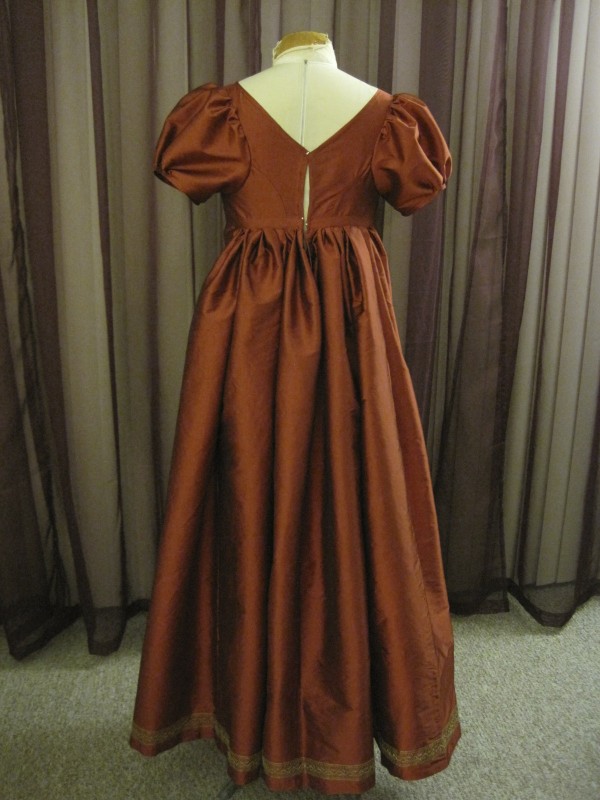
The dress is entirely hand finished and mostly hand sewn. Originally, I was going to make it all by machine, but then I had sewing parties and things that required hand sewing, and I just didn’t feel like lugging out the machine, so I wound up hand sewing a lot of it, which was quite satisfying. There’s one side back seam sewn my machine, I think the long skirt seams are sewn by machine (though I can’t remember, because I started this dress back in October or November), and the waistband was sewn by machine. Actually, it was so much easier to keep the width consistent using the machine than when sewing it by hand.
The only other information to share is my inspiration for the dress.


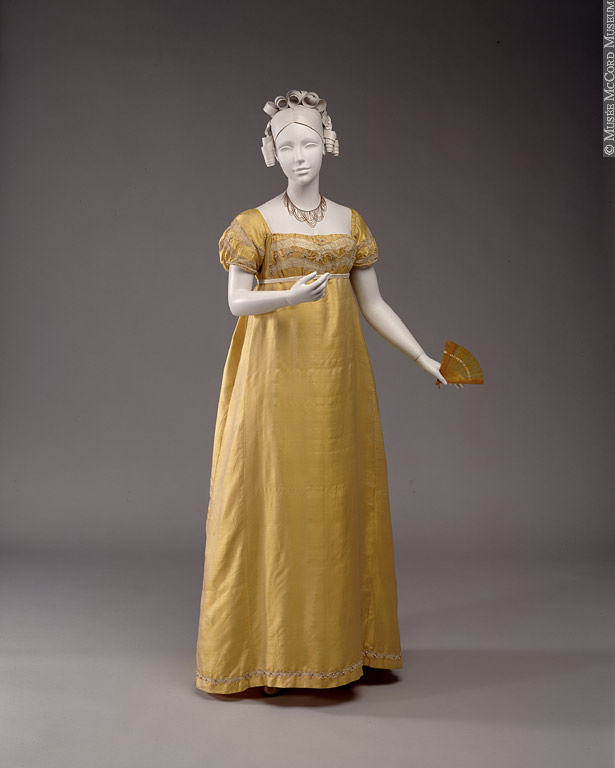

Clearly, I need a Kashmir shawl to complete the ensemble… I have a pashmina that sort of looks the part, so I’ll have to try that out at the ball. Stay tuned for more pictures of this dress in about a month!
Project Journal: 1822-1824 Ensemble Part VI: Muff and Tippet
One thing I actually did finish for the recent ball was the muff and tippet. For visual reference, the picture below shows the garments I’m discussing.
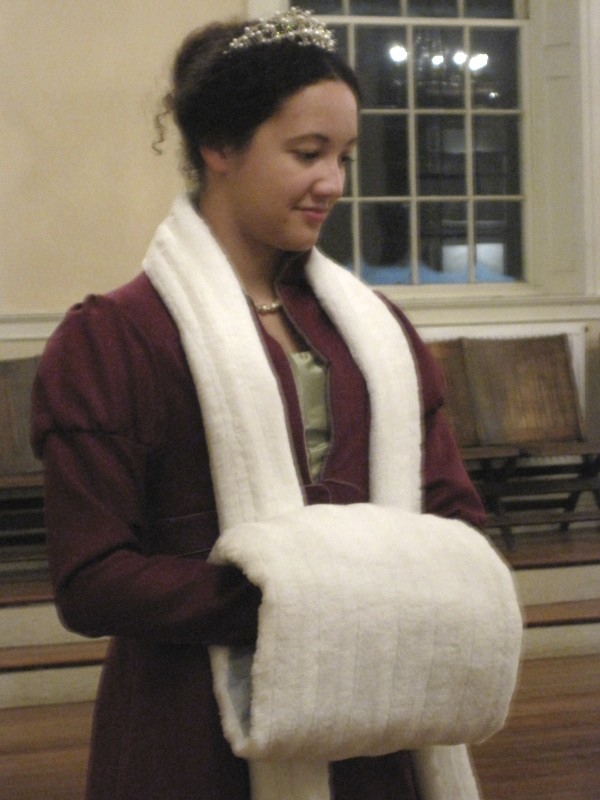
What is tippet, exactly? Merriam-Webster defines it, thus:
1: a long hanging end of cloth attached to a sleeve, cap, or hood
2: a shoulder cape of fur or cloth often with hanging ends
So, how did I make my tippet? First, I cut a piece of high loft polyester batting the length and width that I wanted. (I know they didn’t have poly batting in the 19th century… but it’s super warm and sometimes just worth it!) Then I cut a piece of my faux fur that was double the width of the batting plus an extra 3/4″ or so on each side as well as about 1″ longer on each end. I centered the batting on the wrong side of the fur, wrapped the fur around to the back, turned one edge under, and pinned. The ends of the fur I just turned up and under the other pinned bits. Then I whip stitched that folded edge down using pretty large stitches. The stitches disappeared in the fur… and voila, tippet! Too bad I didn’t take pictures of the construction!
The muff was slightly more tricky, not because of construction details, but because I agonized over what color lining to use! (To construct the muff, I made two tubes, one out of fur and one out of silk lining. I stitched one end of each tube to the other, turned the whole thing right sides out, inserted a tube of poly batting (warm!), pulled the lining through the middle, and pinned the open side of the fur to the silk, with the fur edge turned under. Then I simply whip stitched it like I did the tippet.
But before I could make the muff, I had to pick the lining color! Did I want it to match my walking dress trim (and be lavender?) Did I want to pick a color from a fashion plate? What colors were used in fashion plates? So many questions! I determined that of the muff linings I could see in fashion plates from that general period, there were three recurring colors: pink, blue, and white. Here’s what I came up with, image-wise:
PINK


BLUE


WHITE
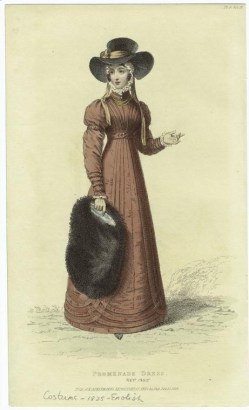

UNKNOWN/OTHER


So pink came in with 3, blue and white tied with 2 each, and then there were an assortment of unknown/other. But I didn’t like the idea of pink with my dark pinkish wool (you can see what that would look like in the December 1822 fashion plate: that’s the inspiration for my walking dress), so I settled for the light blue, which I think is delicate and softly Regency. Also, I had just a small amount of that color silk, and it’s a color that doesn’t really complement my skin, so I wasn’t likely to use it for a bonnet or something similar… but with a muff most of my skin is hidden! You can see the predominance of white fur for the muffs in these fashion plates (one of the reasons I chose white fur for the muff and tippet). There are brown, too, but a lot of white! 7 out of the 11 I included are white. Well, there you go. That’s my rationale for the muff and tippet.
All of these images are on my Pinterest pages with lots of other beautiful garments. Specifically, these are on the 1810s Inspiration, 1820-1824 Inspiration, and 1825-1829 Inspiration pages.
Regency Christmas Party At The Commandant’s House
 This past weekend, the Commonwealth Vintage Dancers participated in a Regency Christmas party for a public event at the Charlestown Navy Yard. It’s the same venue as the Guerriere Weekend we participated in a few months ago. I wore the same 1812 hand sewn gown I made for that event, which you can read more about in this post. We danced and played games while the public wandered through, watching and taking pictures, and eating the delicious cookies and punch we provided. We love that space, so of course we enjoyed being there again. I took the opportunity of the Christmas party to try out my red clocked stockings from American Duchess... they were perfectly fitting for the Christmas cheer!


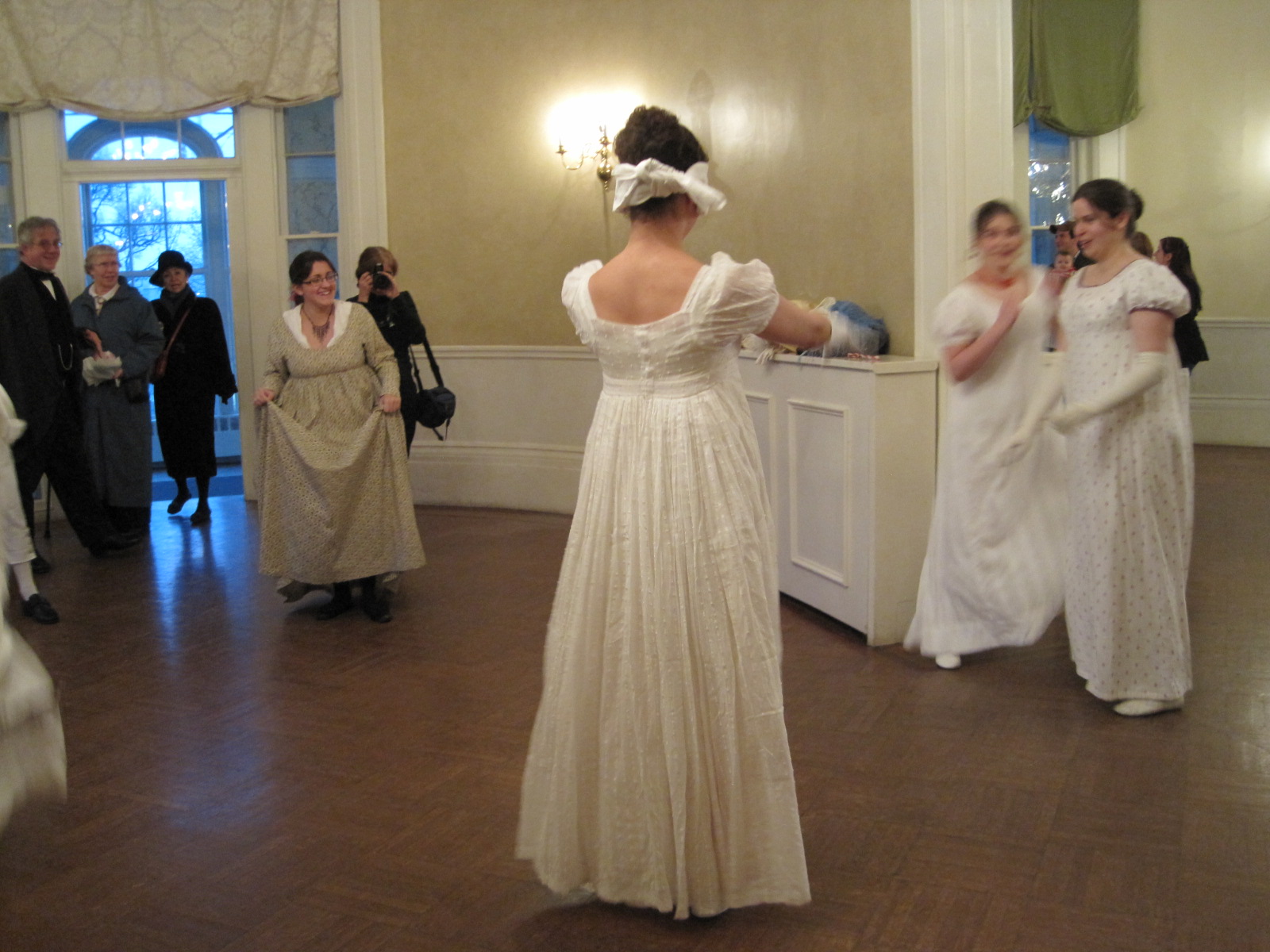
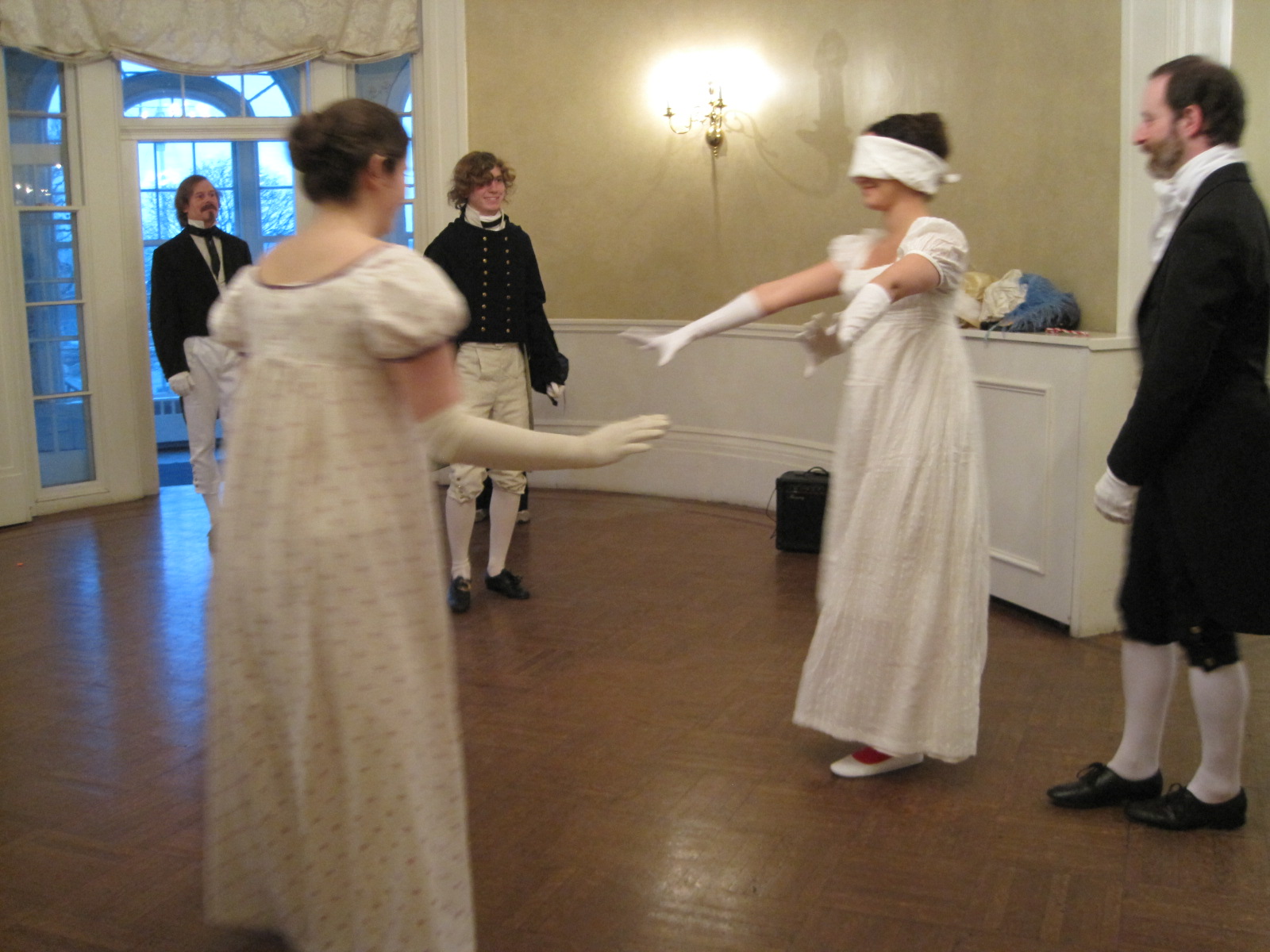


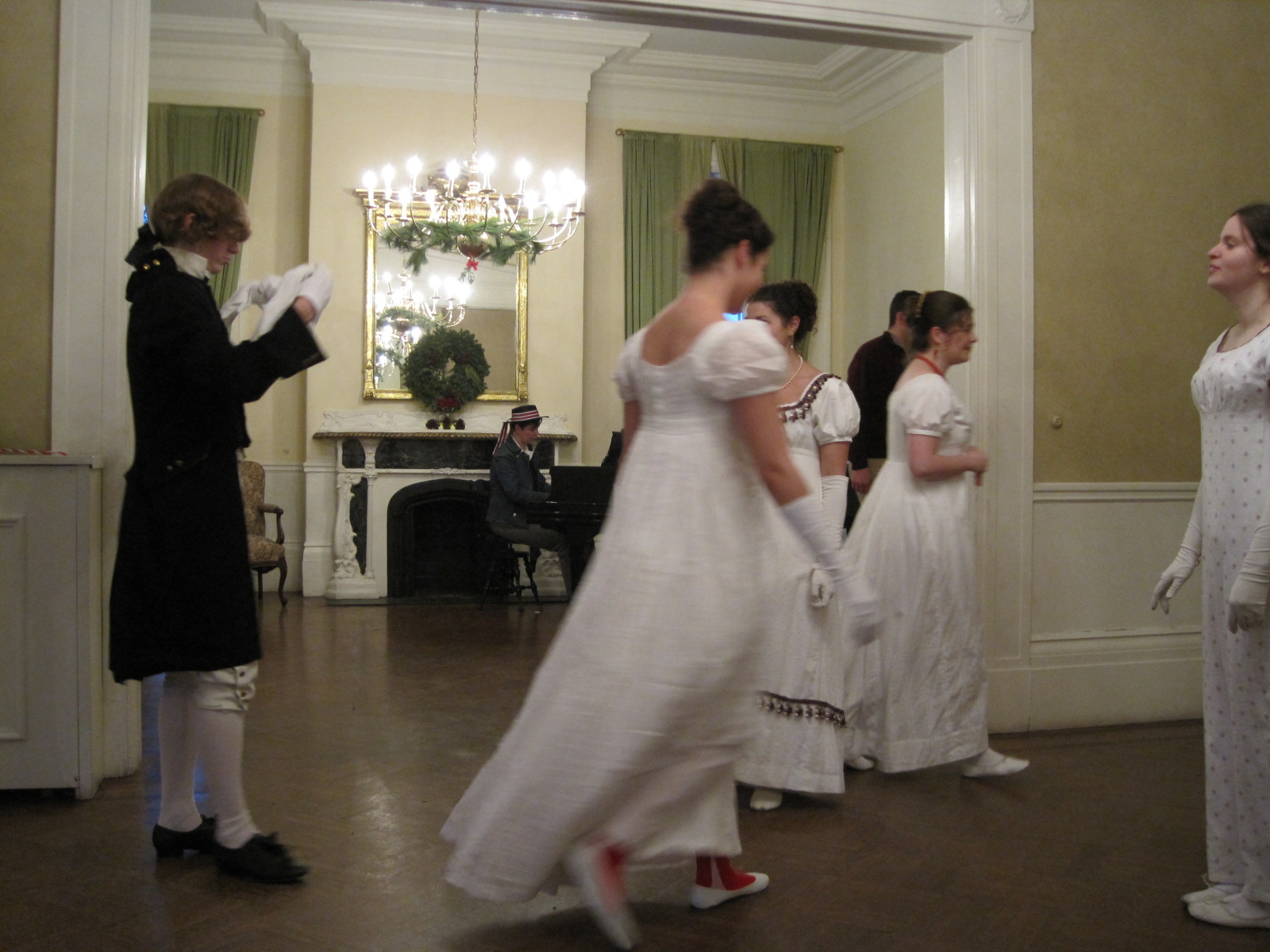

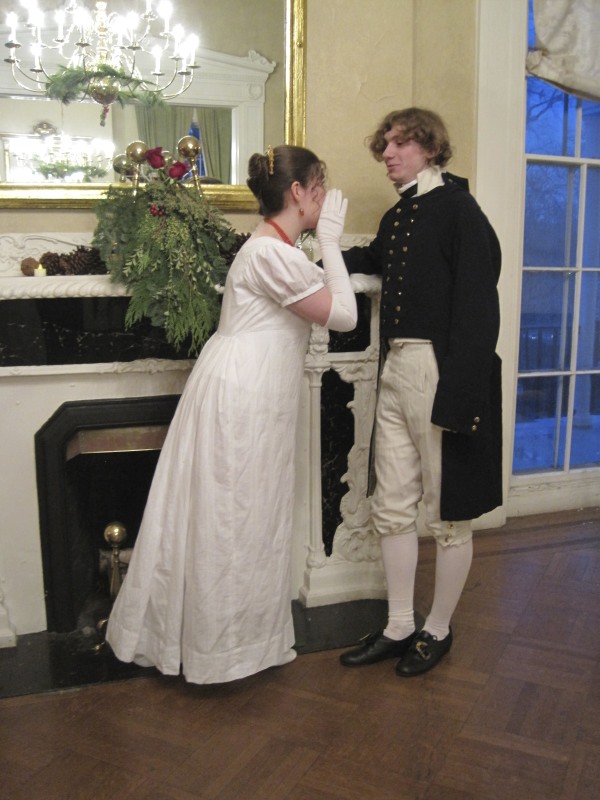


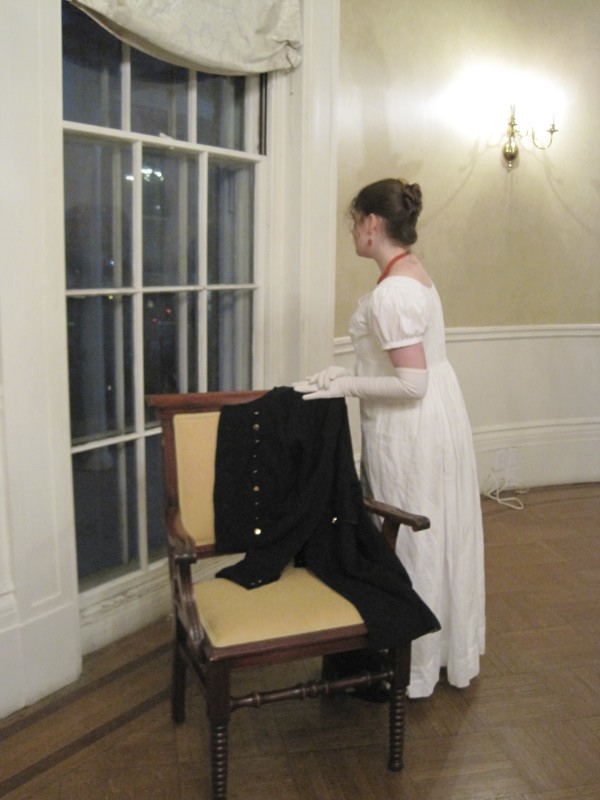
As you can see, it was a fun Christmas gathering. We look forward to participating in more events at the Commandant’s House next year!
Picnic at the Lyman Estate
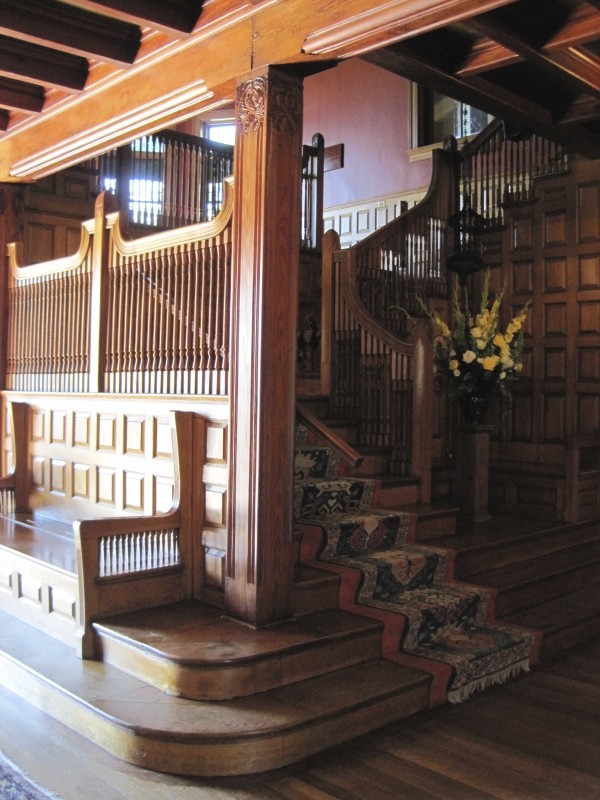
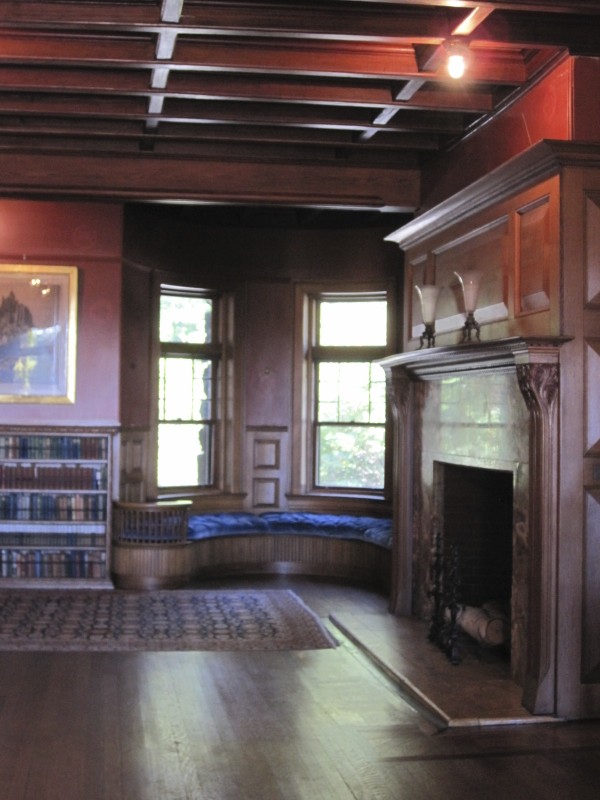
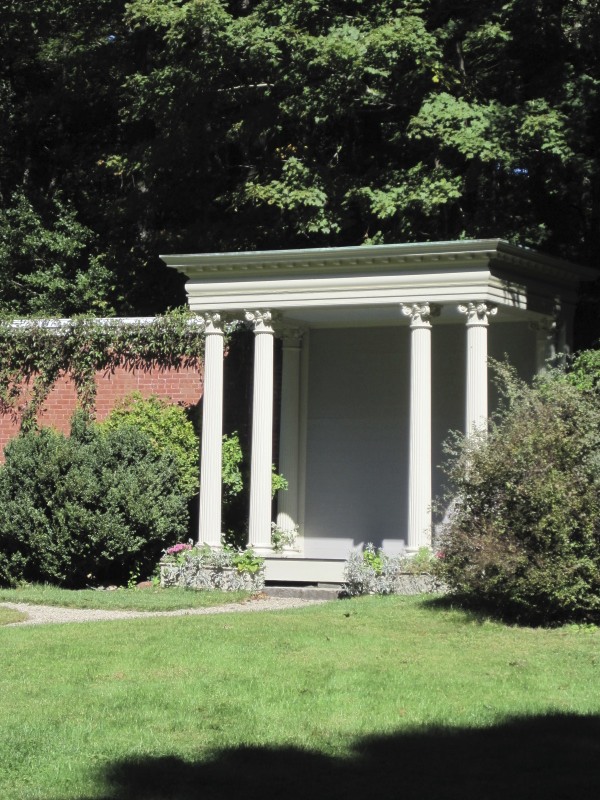
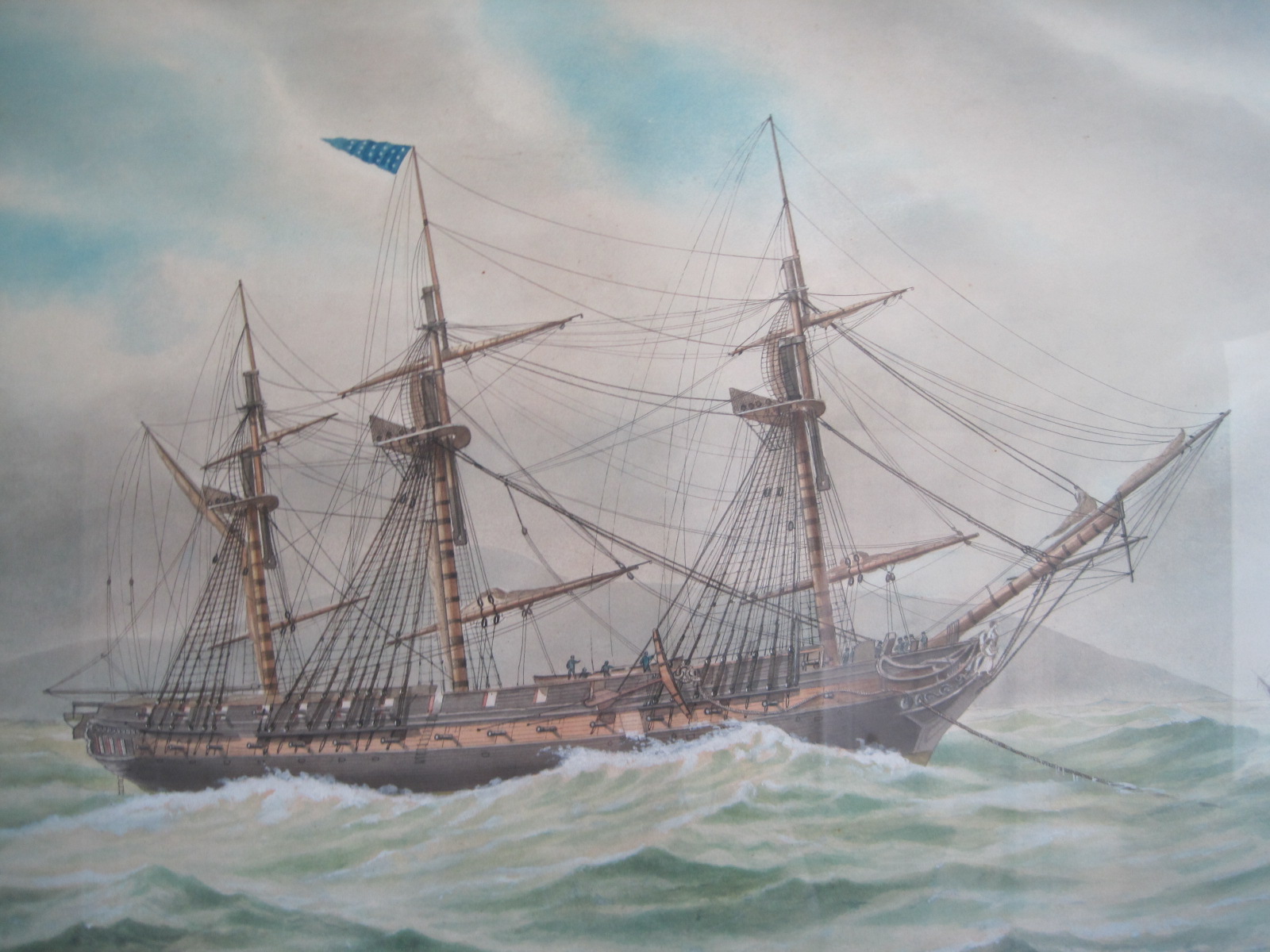
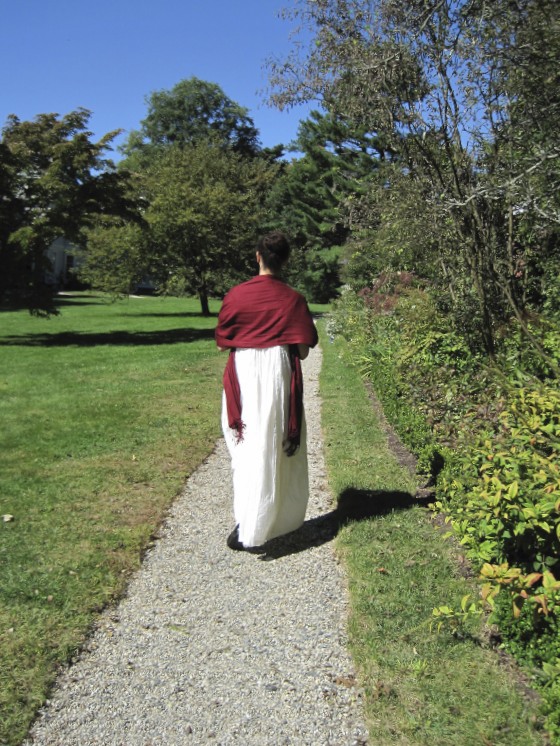
On the subject of summer picnics… We recently took advantage of a sunny Sunday afternoon to view two of the historic houses in nearby Waltham, Massachusetts: Stonehurst (completed in 1886) and the Lyman Estate (built in 1793). We ended the afternoon with a relaxing picnic on the lawn of the Lyman Estate. Pictures often say more than words, so without further delay… pictures!





Summer Picnic In The Boston Public Garden
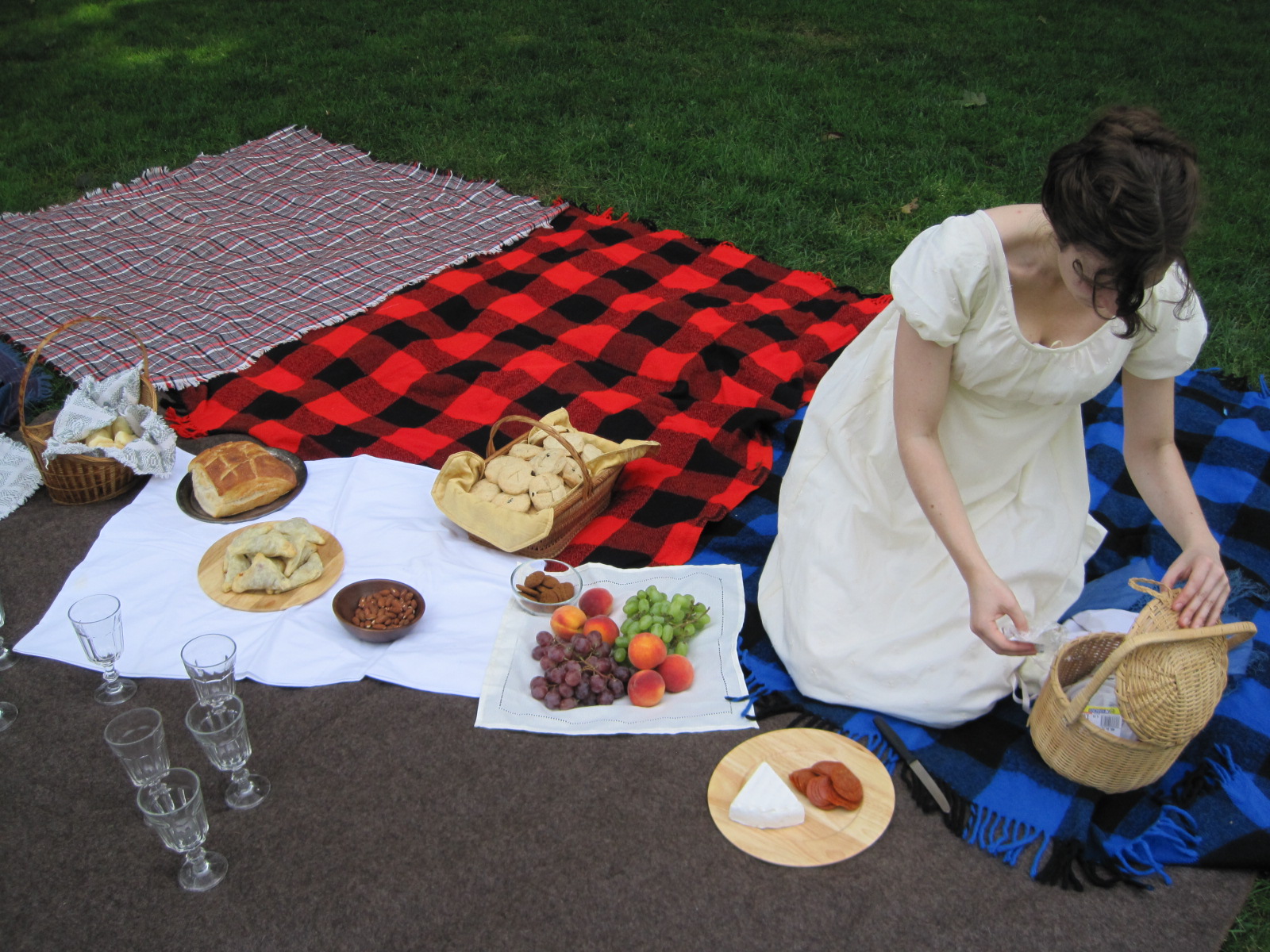
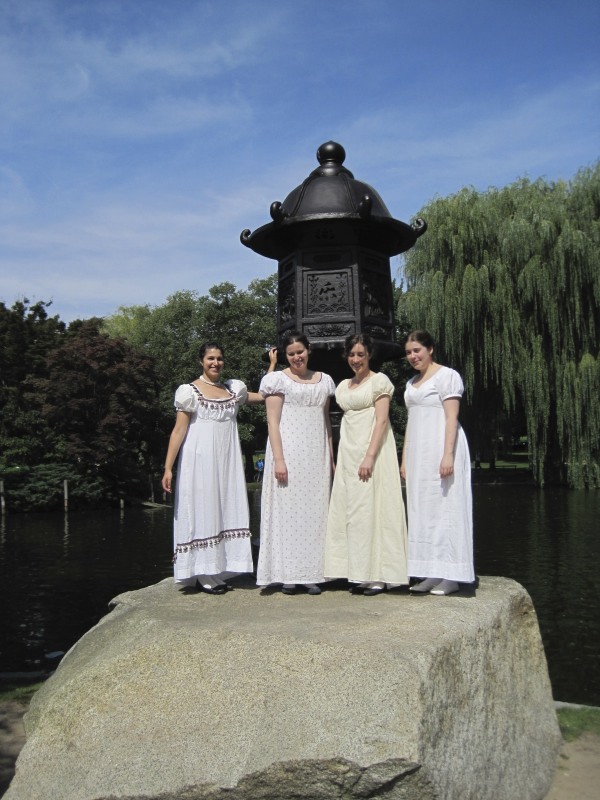
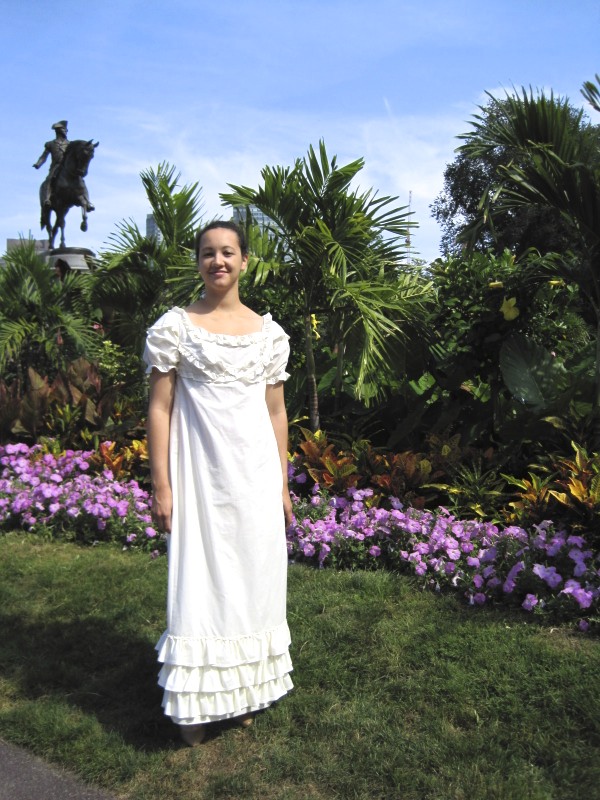
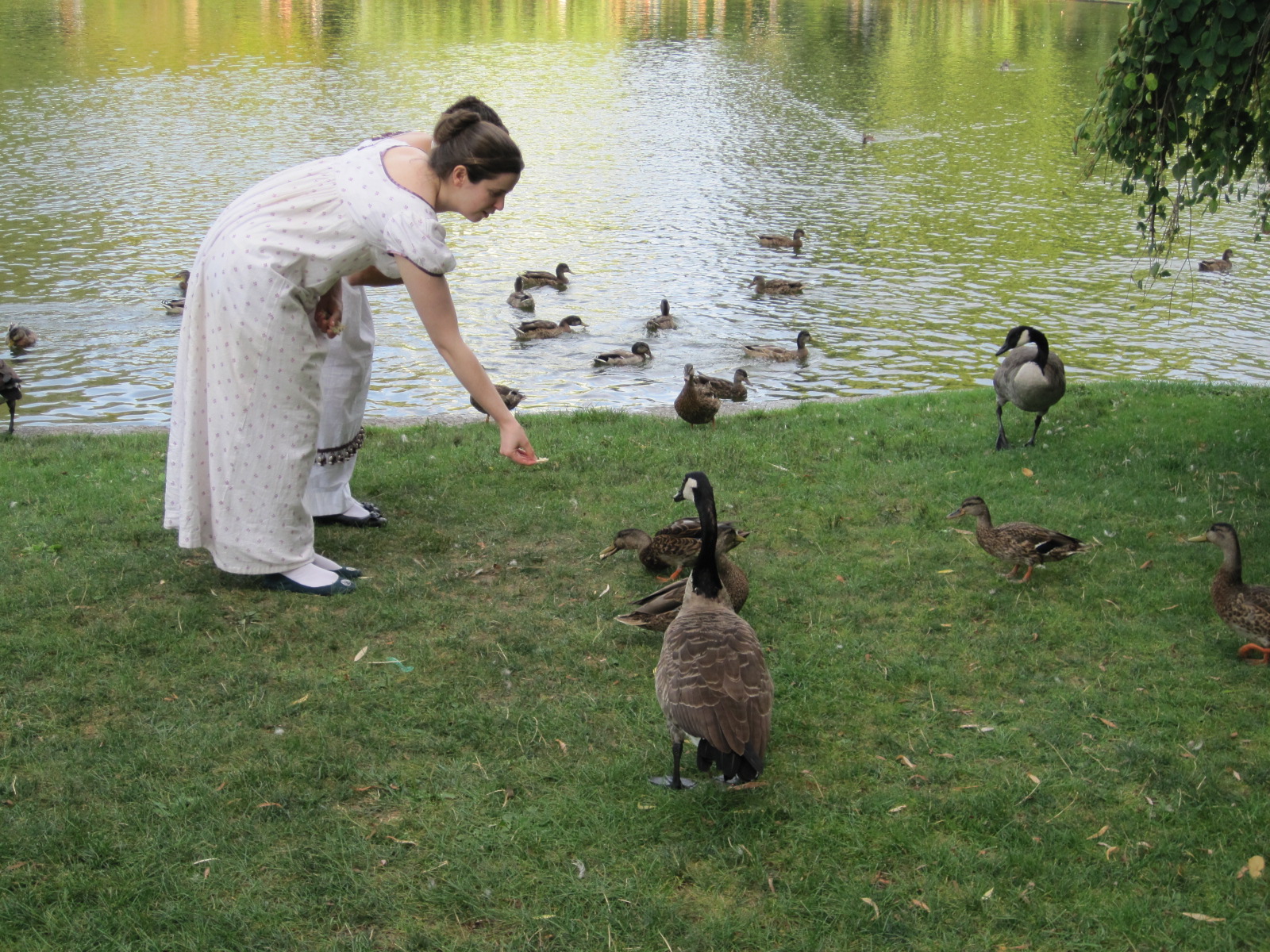
Summer is mostly over, here (although we did just have a nice, warm, sunny day that felt like summer…), but I haven’t finished sharing about summer picnics! To bring a little summer to you, here are a few pictures from a Regency picnic in the Boston Public Garden in August. The Boston Public Garden was established in 1837, so we were a little early, in our Regency dresses.




 The Quintessential Clothes Pen