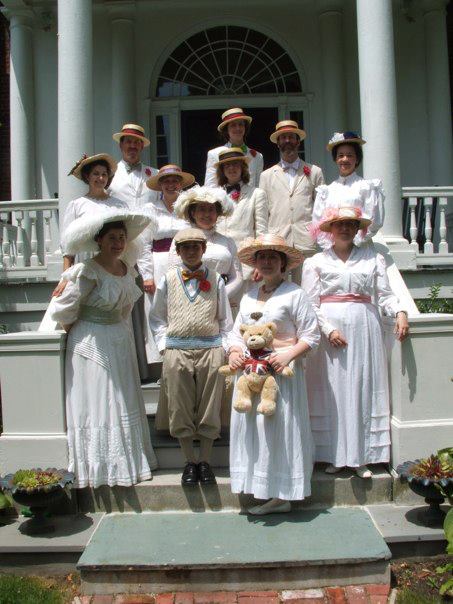
This is another case of the delays… The Commonwealth Vintage Dancers performed at an event in June (cough, cough… I am so slow!) that was called something like A Picnic for Teddy, Mommy, and Me. It was at the Salem Athenaeum, a private library, and was targeted toward young girls, their mothers, and their teddy bears! Cute!
We performed in 1890s whites. I had been dragging my feet about constructing my own whites, so I took this opportunity to go for it.
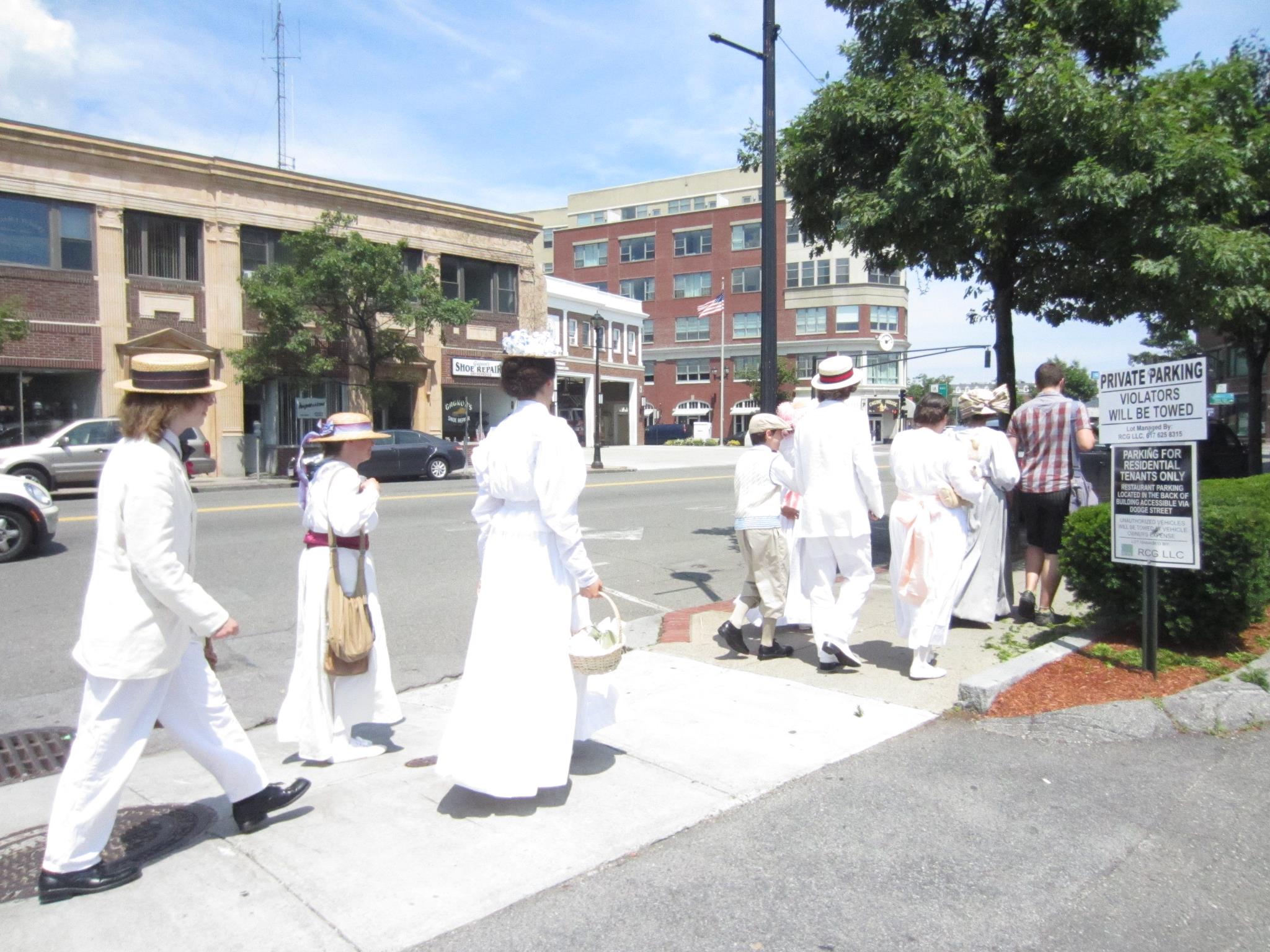
Dancing “Teddy Bear’s Picnic.” It’s really a ridiculous dance, but it fit the theme of the event perfectly!It was super hot that day! Sitting, in the shade, was wonderful. As was my fan…CVD on the steps of the Athanaeum.After the event we walked across Salem to get some lunch. Of course, Salem often sees people dressed in odd clothes, so we didn’t surprise people, but they were curious about what event we were going to.
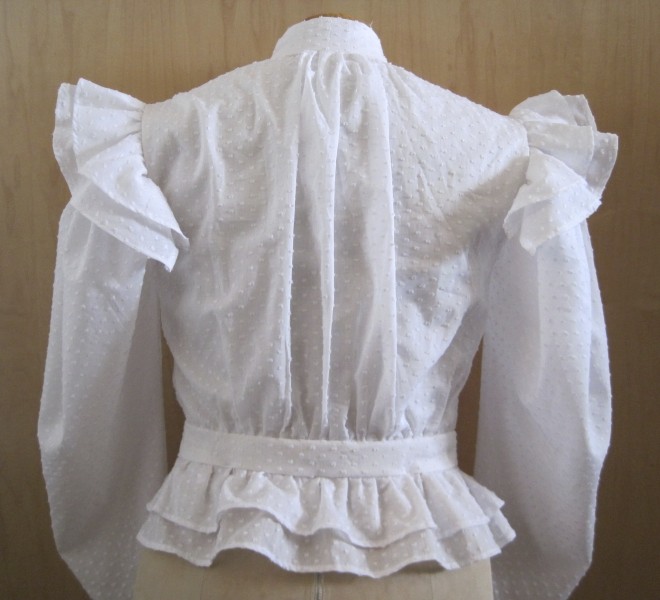
I’m not totally sold on the white skirt I made. It’s a gored skirt and it works fine, it’s just not super eye catching (aka, it’s great for performances, but won’t get worn for other things… maybe it will be a petticoat if needed?). Oh, and I also threw the hat together, thinking that the white and blue would be nautical and good for Newport. But then I totally re-trimmed the hat at Newport because it didn’t have quite enough oomph with the white and blue. But the blouse… I love the blouse! It’s super comfy and lightweight, it closes in front (yay!), is washable, and I like the fabric. Win!
It is based off of a fashion plate in one of my many books. I draped a basic blouse pattern and adapted the pattern as needed to add the gathers in the front and back. The exterior is mounted on a lining made from the basic blouse pattern so that they gathers will stay where they are supposed to be. It is constructed of cotton with swiss dots for the exterior and a lightweight woven stripe cotton for the base (which I bought for $1 a yard a while ago! Love that price!). It closes up the front with concealed hooks and thread bars. The sleeves are quite large gigot sleeves, but because they are not lined they sort of just droop. Here are some pictures! I think I got pretty close to that inspiration image, don’t you? I love the feeling of success that comes with really nailing the look in reproducing a garment! Don’t we all?
The inspiration image.Front of the blouse, on Squishy, the mannequin.Back of the blouse on Squishy.In the garden.
This is super exciting! A significant part of my nine month sewing plan is to increase my Regency wardrobe pieces so I have more options for varying weather conditions and activities, including accessories. I’ll list my plan in another post sometime soon-ish, but let me jump forward to say that it includes a chemisette.
Well, there aren’t many extant chemisettes that I know of and it doesn’t seem like many other people are able to reference a wide variety either. Janet Arnold has patterns for some of them in Patterns of Fashion I… and I didn’t originally want to go with one of those (because, you know, it seems like everyone does and I like to be different), but after researching and realizing that Janet Arnold has the monopoly on extant chemisettes I decided to just go with it. I also do really like the chemisettes she has… I particularly like the ones with the mushroom pleated collars. And that style will work well for my wardrobe planning, because I want to make high necked walking dresses, spencers, and pelisses, and I like the idea of the mushroom pleating filling in the high necklines. Plus, the Regency was full of 16th century style references and ruff-like things.
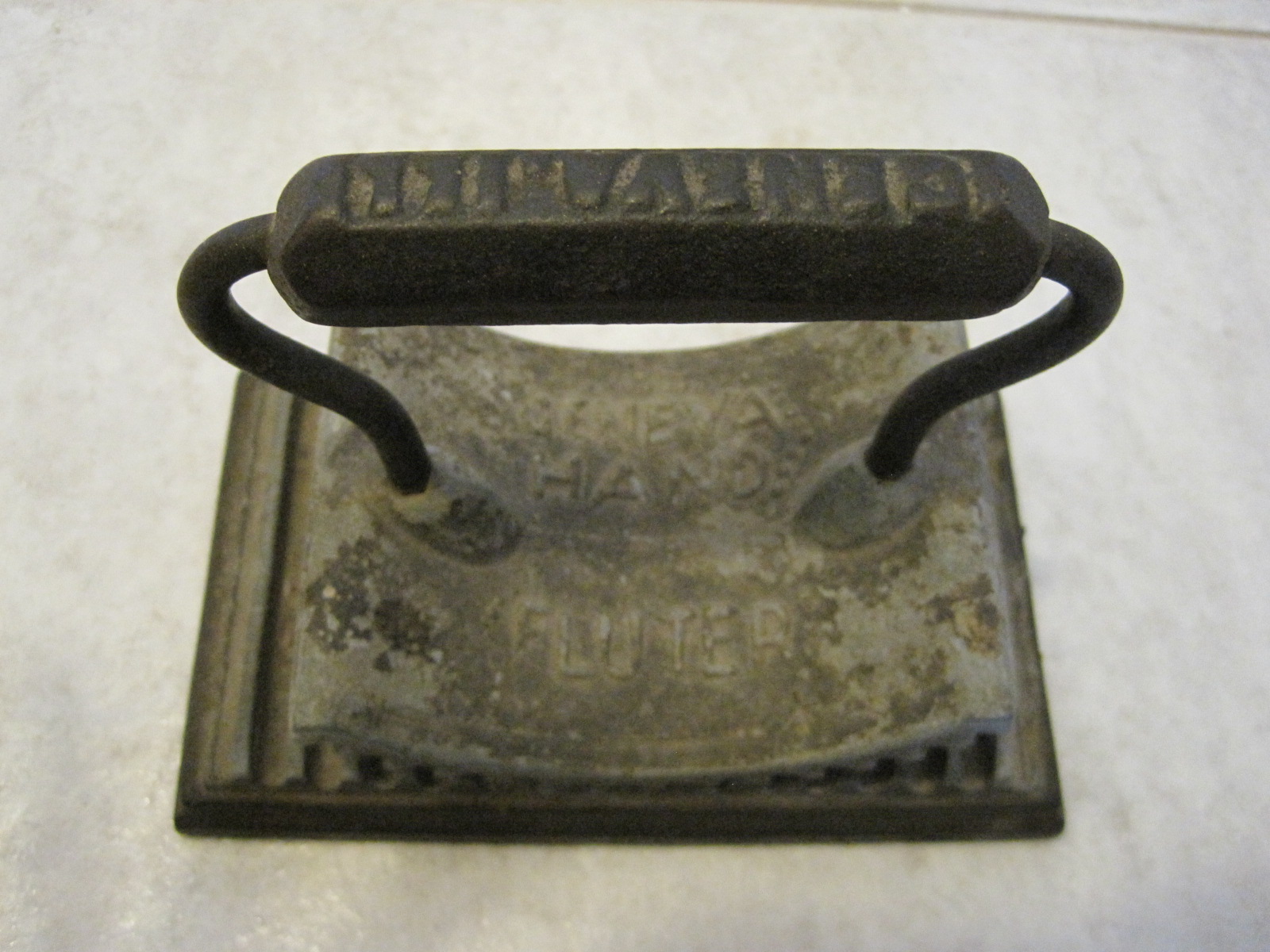
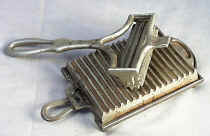
All of that to explain that I looked into ways to make mushroom pleats. I discovered that the best way is to use a fluting iron: a special type of iron that produces small pleats. I got super excited and bought one on ebay for about $20.
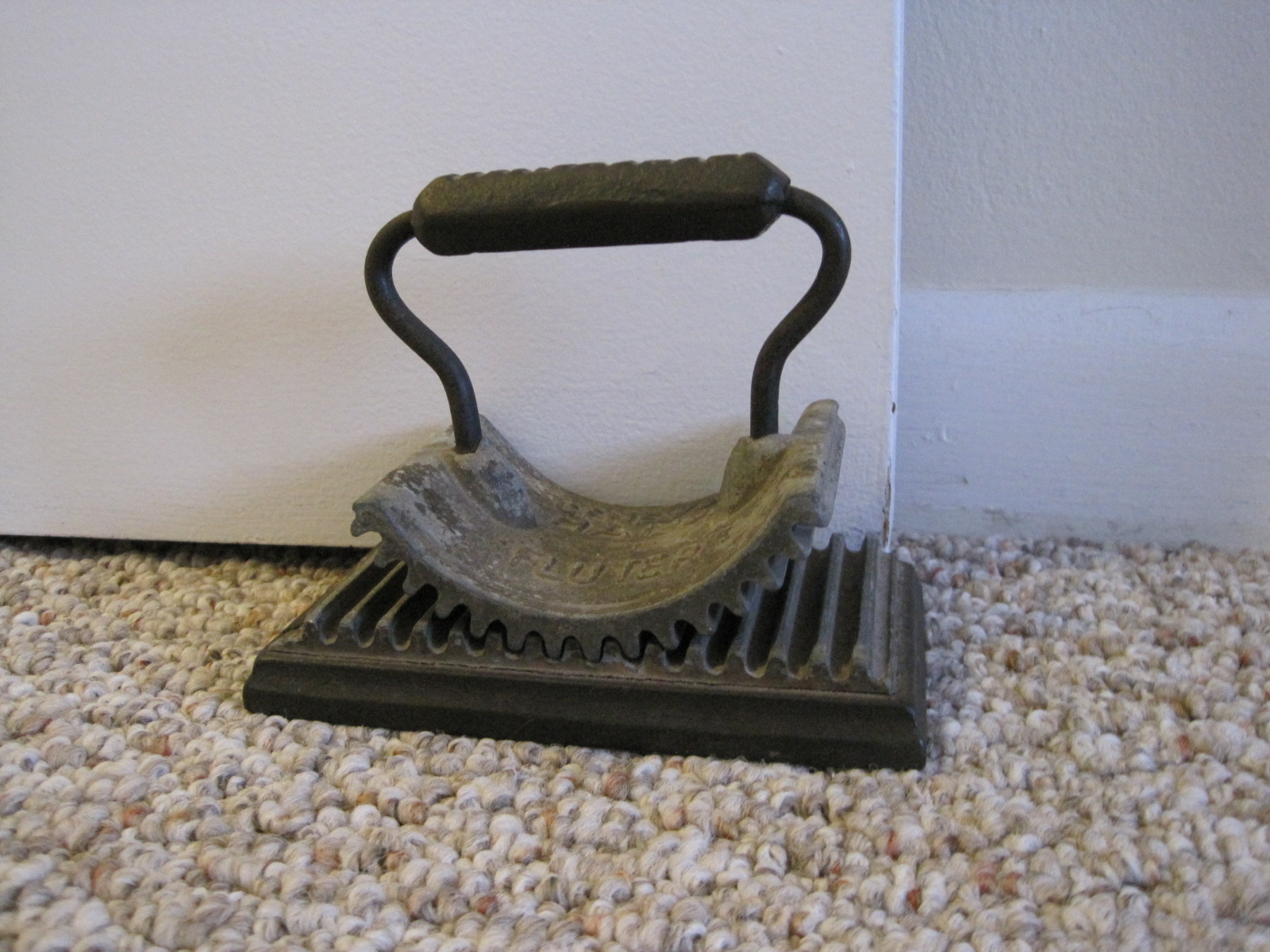
Here it is: a fluting iron!
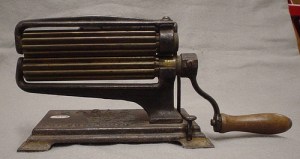
I also did research about different types and brands of fluting irons. This website was super informative about different types and their values. This one also has good pictures and information about fluting irons and their use. Essentially there are three types. I bought the rocking sort, which is an iron and a base; there is also the rolling sort, which has a rolling device (like a paint roller) and a base; and then there is the cranking sort, which has two rolls that wring the fabric through to create the pleats.
The rolling sort.The crank sort.
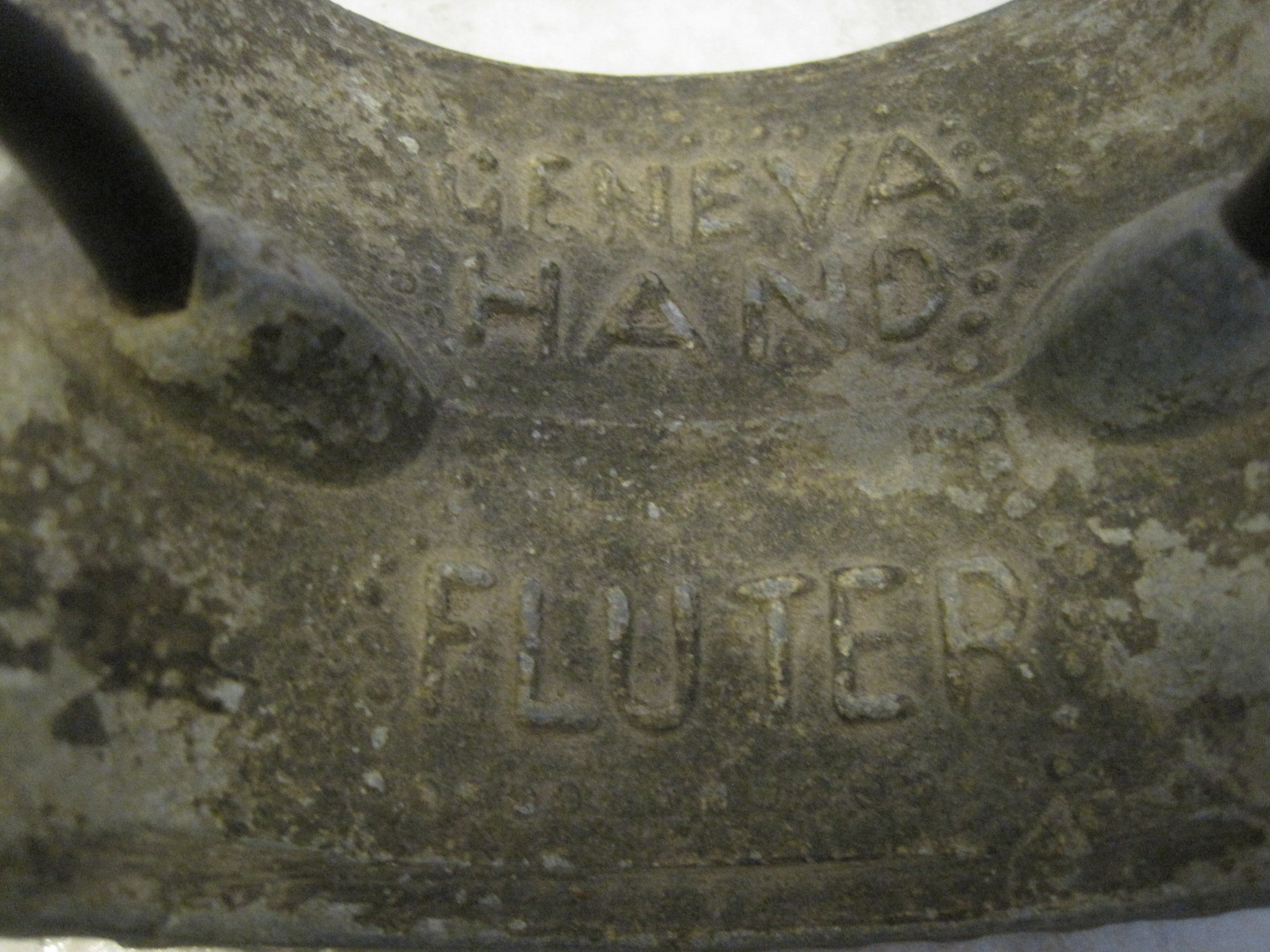
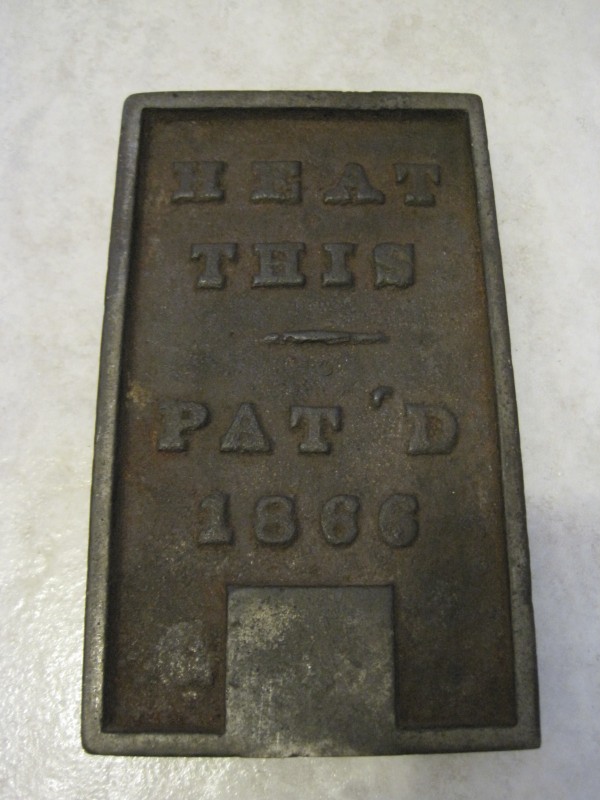
I chose to buy the rocking sort of fluting iron because of the price. There are enough of particular brand I bought (Geneva) in circulation today that they are relatively inexpensive. The type bought was patented in 1866, as you will see.
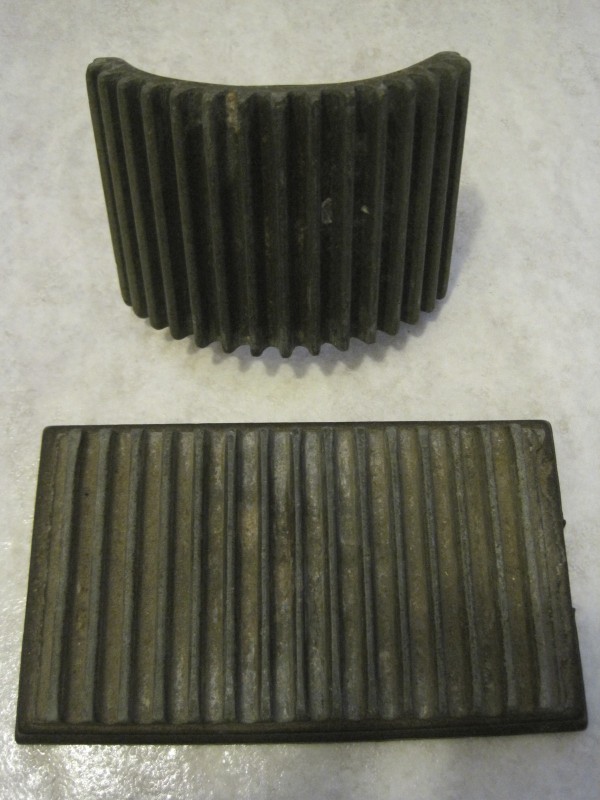
Proof of manufacture and name.The iron on its side and the base.
I also did research about how to use a fluting iron and how to get your pleats to stay in your fabric. It sounds like the best thing to do is use a homemade mixture of cornstarch and water to starch your fabric before pleating it. Once I try it I’ll report on how that works! One thing that did stump me for a day or two was how I plan to heat this thing and which part to heat. A lady in the 19th century could have heated either part on her cast iron stove, but I was thinking”I don’t have a cast iron stove… how am I going to heat this??? Do I heat the iron, or the base?” Well, one of those questions was easily solved by using my eyeballs…
Duh!
Isn’t it fabulous that the manufacturer included some sort of direction? I was thinking of putting either the base or the iron in the oven… And then it occurred to me that I do have a stove, even if it is not a cast iron stove… So my current plan is to heat the base on the stove, and then somehow figure out a way to take it off the stove, so I can use it without fear of burning my fabric by having it touch a hot burner. I’ll have to report back on that part of the adventure, too!
You can see that the iron and base are a little grimy, so I also need to consider cleaning them before I try using them. I have not yet researched methods of cleaning cast iron. I imagine you can use similar methods as to what you might use to clean a cast iron pot? If you have ideas about the cleaning, please do share!
The two pieces are smaller than they appear, but because the iron and the base are cast iron, they are actually rather heavy. Until I use them (and probably after I do) they will be a door stop… they work really well for that purpose! And they add a bit of history to the room. Mr. Q has dubbed the fluting iron the “Cast Iron Crinkle Cutter” because he thinks it looks like something you might make crinkle cut fries out of… which makes me laugh. So here’s a picture of the Cast Iron Crinkle Cutter being a door stop, which also helps to show scale!
Oh my goodness! This is such a cool and huge collection of photographs and fashion plates! Lauren over at American Duchess has been referencing images from the Bartos Collection for awhile now, but I didn’t get a chance to check it out for myself until just recently. It is WONDERFUL!
The collection focuses on the mid-19th century through the early 20th century. There are fashion plates and mounds of period photographs and pictures of extant clothing… If you love historic clothes and hats and hair you MUST VISIT! Here’s the link, again, because you must go visit and drop your jaw with me!
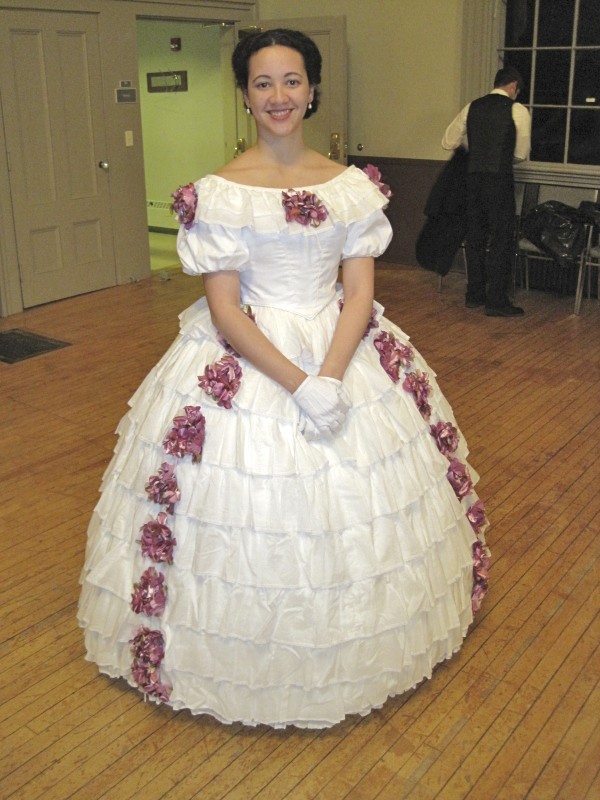
Alliterative, agreed? Ok, I’m done… Honestly, the words just came–I didn’t spend long on them! Last weekend I attended the Returning Heroes Ball hosted by the Commonwealth Vintage Dancers in Holliston, MA. As usual, it was full of fun and laughs. There were fabulous dresses all around (because of course one of the joys of a ball is to observe dresses–old and new) and wonderful refreshments as well. I don’t have pictures of other people, but I have pictures of me!… You can see a variety of people in the photos on Antonia’s blog, Experiments in Elegance…
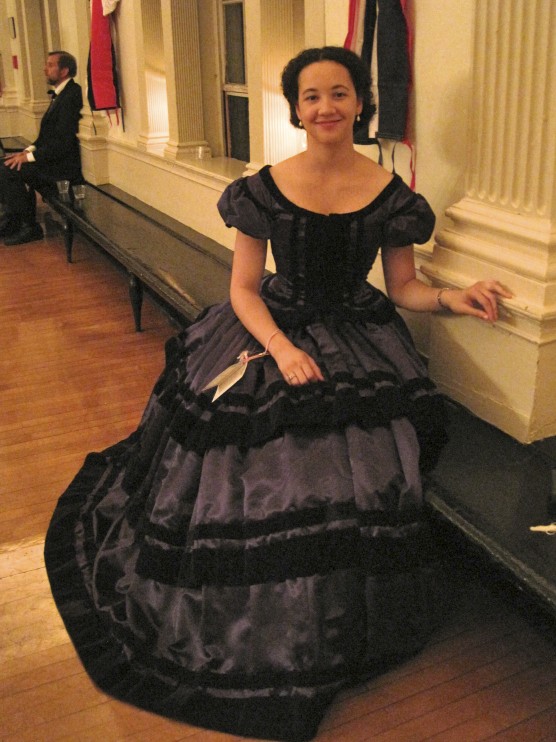
Me, in Annabelle. I really, really love hoop skirted dresses! And flounces! Whee!!!
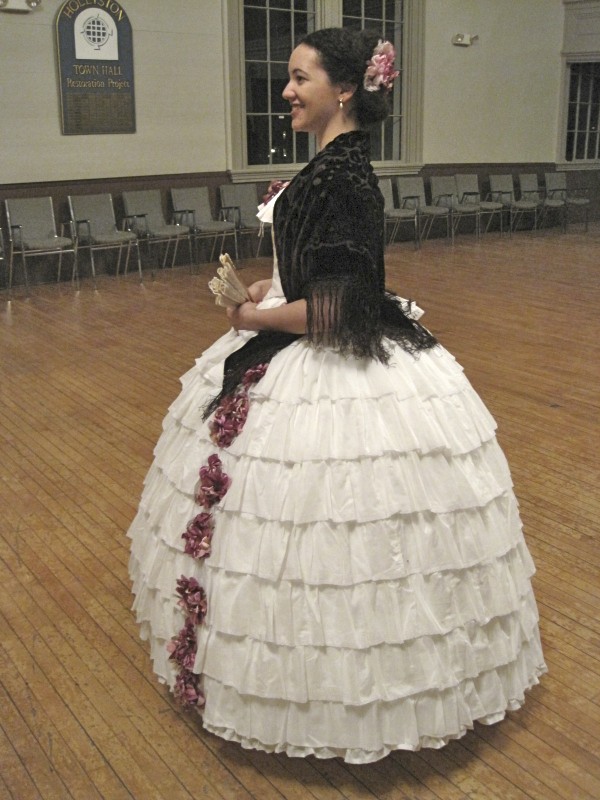
I recently gained a new accessory: a deep purple burnout silk velvet scarf, big enough to use as a shawl. The shawl was decommissioned from a friend’s modern wardrobe because it is rather intense for a modern look; however, it works wonderfully as a 19th century piece, I think! I’ve been waiting for about three months to try it out with this outfit… I think it is fabulous and nicely complements the purple in the flowers. Do you think it works for an 1860s look?
Ooo... Purple silk velvet shawl. So cosy! (and stylish to boot!)Thanks for taking the photos, gentlemen (you know who you are)!
I’ve been trying out more complicated, poof-filled hair styles in preparation for early 20th century styling and I put some extra effort into this hair-do to try out more poof-ing. From the front my hair has it’s normal 1860s style with a center part where each from section is slightly poofed and rolled back to join the low rolled chignon at the nape of my neck (above, left and right)… but from the back this most recent style has extra poof-age!
See the extra poof at the top of my head? Poof close-up
In terms of the hair-styling itself, I think I like the extra poof as it gives more dimension and adds a regal feel to the overall look. Do you like the added poof?
I also decided to rework the hair wreath I’d made for the German Cotillion back in October (left). I’m not sure I like it as a giant mass of flowers, I might rework it again into a crescent shape like the flower piece that matches Belle, my other 1860s ball gown (above right). In terms of the flowers, giant mass or crescent shape?
The Salem Light Infantry Levee and Ball was an event hosted by The Commonwealth Vintage Dancers and Salem Light Infantry in October 2011.
In 1861 the members of the Salem Light Infantry
held a ball on their return from service in the Civil War.
For a brief moment,
before joining other units and returning to battle,
they celebrated friends and fellowship.
This event was held in Hamilton Hall in Salem, Massachusetts, in the hall where the original event was held 150 years ago.
You can click here to see the event announcement. If you are interested in learning more about the Salem Zouaves you can view their website by clicking here. You can also read one of my older blog posts to learn about Civil War Zouaves in general: A waltzing Zouave?.
First, let me share with you a video of the Salem Zouaves performing a military drill during the course of the evening.
Second, let me share with you some photos of the evening. It was quite lovely!
Waltzing back in time on a fine October eveningDancers at the ballTaking a rest from dancingI met another young lady who also took a break from dancingSalem Light Infantry ZouavesWatching the Zouaves
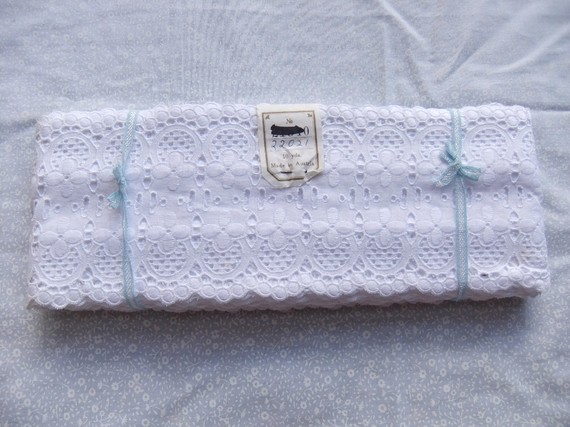
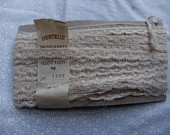
This Etsy shop (empireroom) has wonderful vintage lace for sale by the yard! The prices are very low and even better for bulk lace (over 20 yards). The seller, Jayne, has been quite helpful in providing me with information about bulk pricing and quantities. The only down side is that she is in Australia, so shipping is slightly expensive. But you should check out her selection anyway!
I have found other lace sources that have lower prices, but not for vintage lace! Usually the low prices are only for modern made lace, which means that a distinct measure of discernment is needed to choose lace that is the right scale, color, and pliability for the project.
Most of the lace listed on this site would work very well for a reproduction 19th century garment, I think. I can especially envision an Edwardian skirt or blouse embellished with some of this lace as edging or insertion, but I can also envision the lace being used to trim undergarments such as petticoats or chemises.
I thought I would just quickly share with you this 1812 Tailcoat Pattern. You can find it in the pattern section of Wm. Booth, Draper. The pattern actually has a wider date range on it than strictly 1812: it is listed as a tailcoat pattern 1800-1820. This is the description:
This tailcoat pattern is the first well made civilian tailcoat pattern specific to the first two decades of the 19th century. The pattern comes with three sizes: Medium, Large and XLarge. There are two options for the collar, comprehensive directions and documentation.
And here is the information about the quantity of fabric needed, etc. (the underlined sections are other items that Wm. Booth, Draper carries):
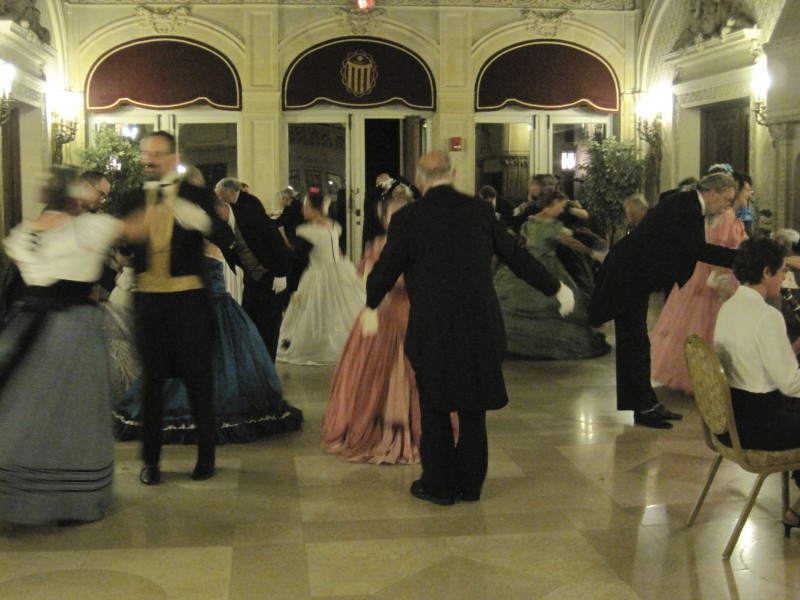
Quinn, taking a short break from dancing at Ochre Court
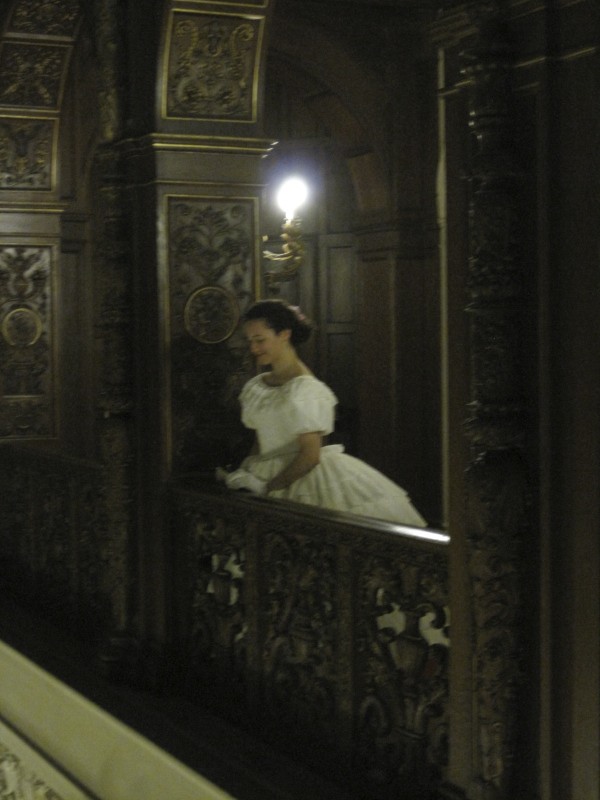
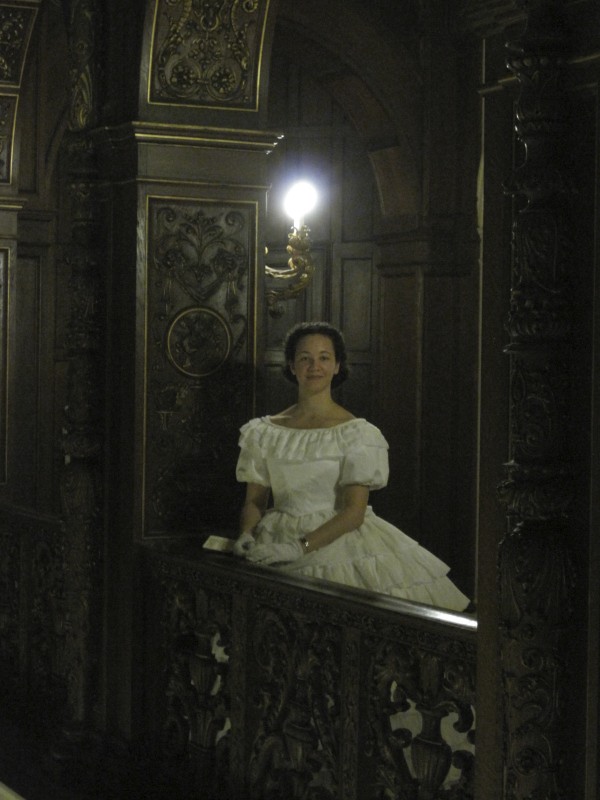
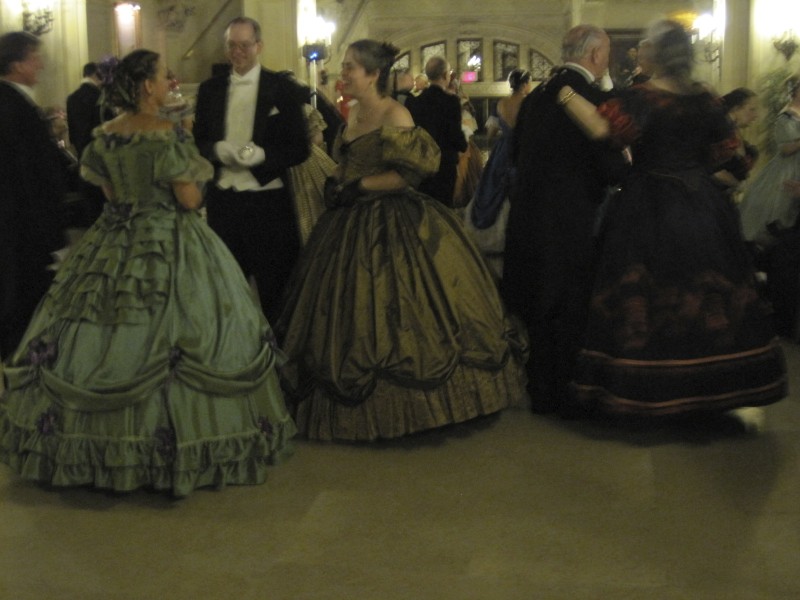
Well, I am exceptionally delayed in posting about this event (it was in August), but I was inspired today to remember how fabulous this was and to reminisce… So here we are! I was able to wear Annabelle, my latest 1860s dress to this event. You can read more about this dress by clicking on this link. I have to say, I did receive one comment that I looked “like Scarlett O’Hara.” Whee! That is really a dream come true for me… you know she does wear a white flounced gown in the movie… I intentionally did not make a gown just like hers (for one thing, mine does not have red trim).
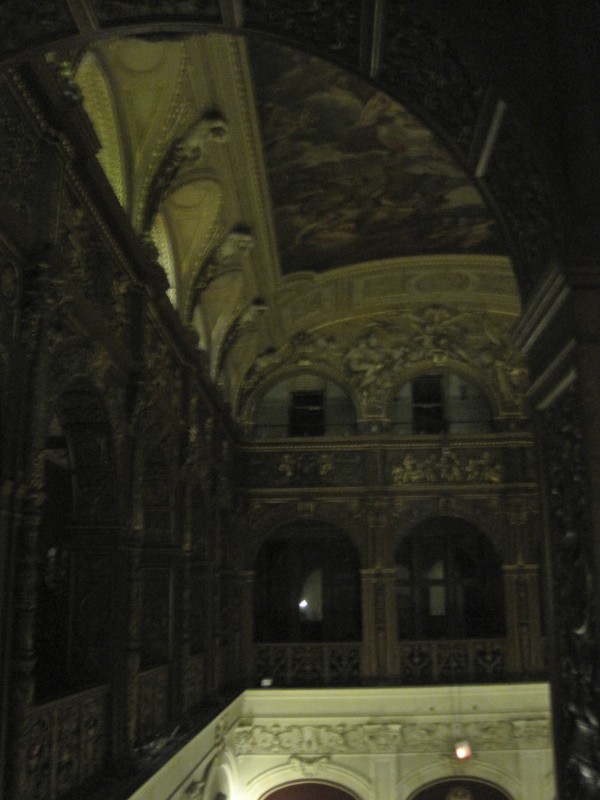
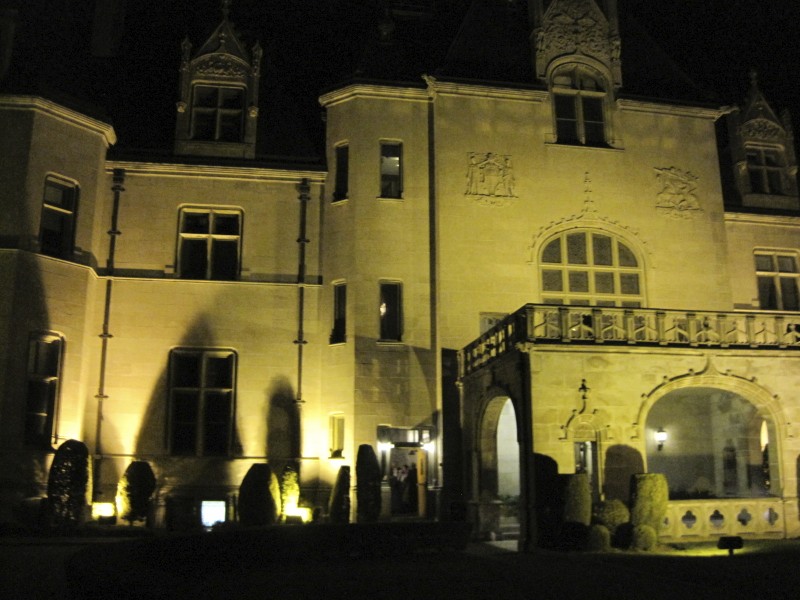
The mid-18th century ball at Ochre Court was just one event hosted by the Commonwealth Vintage Dancers during Newport Vintage Dance Week 2011 in Newport, Rhode Island. And yes, that is the Newport of fabulous historic mansions! (Newport Vintage Dance week was included in the New York Times’ Evening Hours by Bill Cunningham on August 21, 2011. Click on this link to see Mr. Cunningham’s wonderful pictures of various Newport Vintage Dance Week events!)
Aside from repeating (many, many, many times) how absolutely fabulous this event was, I don’t have a whole lot of commentary. Thus, my commentary will be confined to captions, so that way I can include a lot of pictures! Yay! I hope that you are able to look at these and be transported to this historic mansion full of hoop-skirted ladies, distinguished gentlemen, and elegant music.
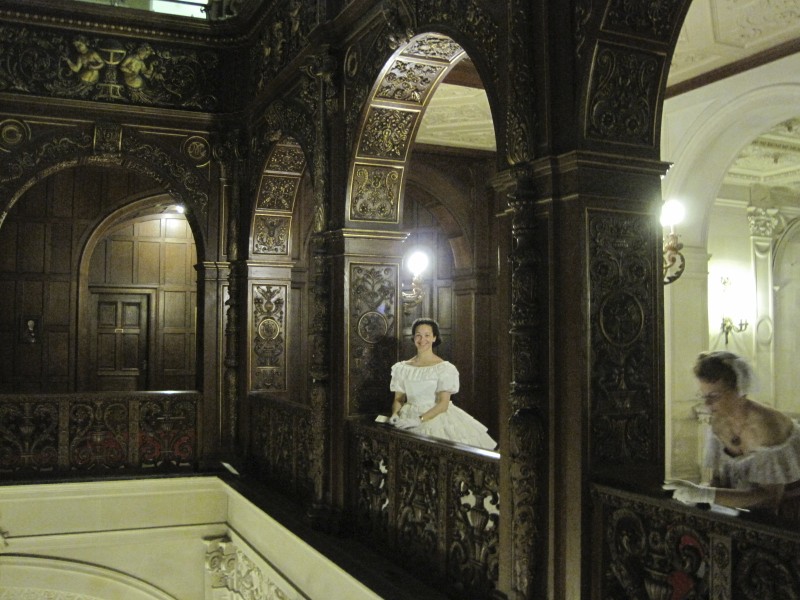
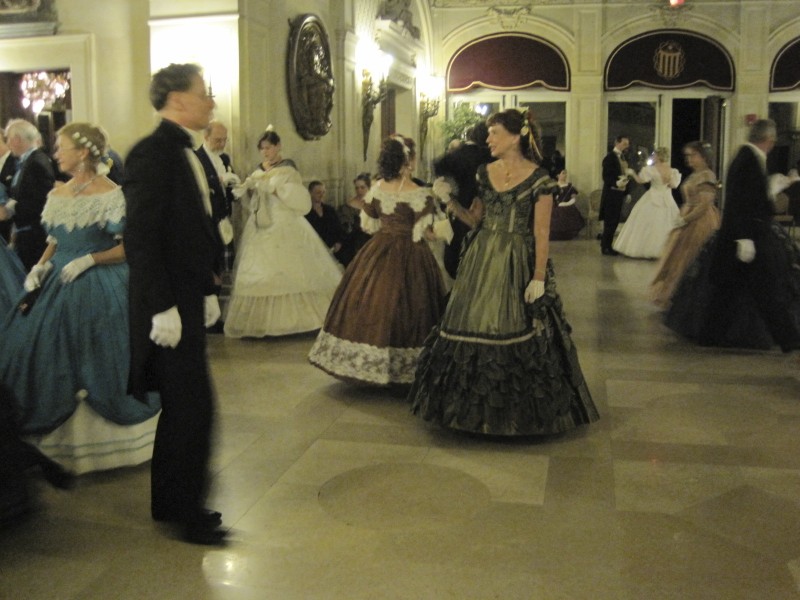
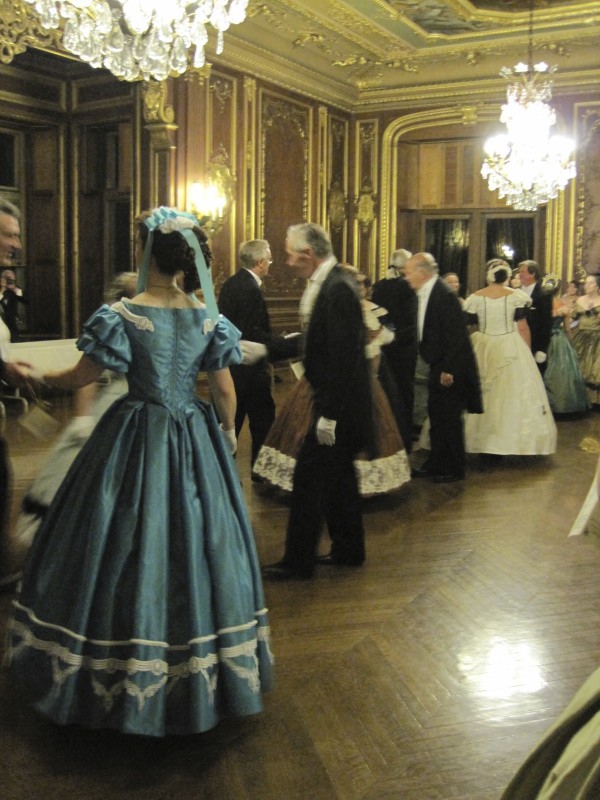
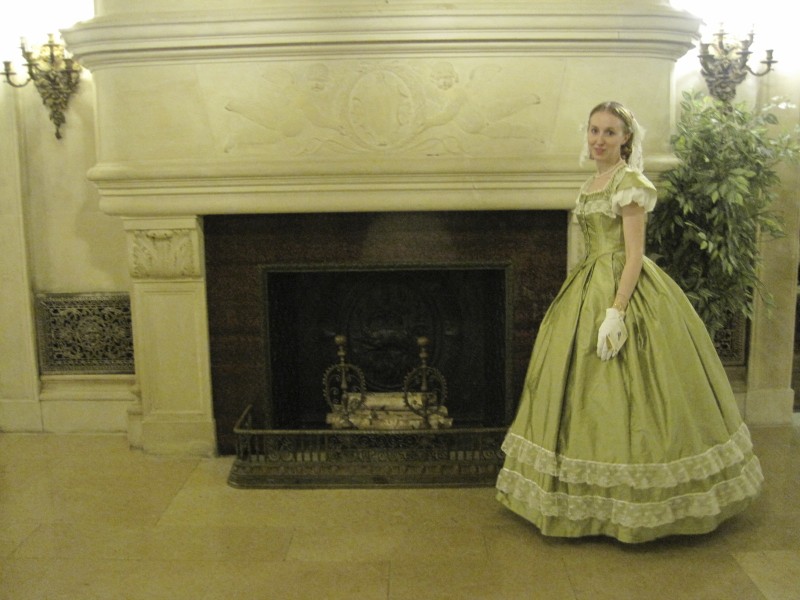
This photo comes courtesy of my friend, Carly. This is the main ballroom at Ochre Court.Front stairs at Ochre Court.Ascending the red carpeted stairs to the upper levels.Ochre Court main ballroom upper levels and ceiling... Beautiful!!!Looking down on the main ballroom at Ochre Court.Oh look! There I am, watching the dancers below!Look! There's someone taking pictures! (Look at the fabulous detail around me!)Ah, now you can really appreciate the intricate detail!Time to descend the stairs and dance!And here are Terri and Carly, also descending the stairs!Dancers at Ochre Court.More dancers at Ochre Court.Dancers in the dining room at Ochre Court.Strike a pose by one of the enormous fireplaces!Carly in front of the fireplace.Taking a breather in the library at Ochre Court.Would you care to dance? Ochre Court main ballroom.One more scene at Ochre Court.Saying good bye to Ochre Court at the end of a fairytale night.
Just recently we looked at pleated trim on 1860s gowns. While I was thinking of that post I was reminded of this gown, which has fabulous pleated trim! It is in the historic costume collection at Smith College, in Northampton, Massachusetts. It was prepared for display and further storage during a historic clothing conservation workshop I took part in a few years ago.
I love the pleated trimming on this dress! It reminds me of origami, in that simple pleats and folds combine to create such a complicated looking outcome.
c. 1870 Dress at Smith Collegec. 1870 Dress at Smith CollegePleated trimming on c. 1870 Dress at Smith College
Did you look closely? The pleats are actually just box pleats whose outward pleats have been pressed up or down respectively at the very edges to create the diamond shapes. It’s so neat! I do hope to be able to use this pleated motif on a reproduction dress at some point. I’ll have to scrounge up lots of patience to make yards of a trimming that will be so detailed… but it will be amazing and if I do it in manageable sections it actually does sound like fun!
I absolutely love the use of pleating as a trim motif in the 19th century! I also admire the immense amount of time and fabric required to edge the dresses of the 1800s in pleated trim.
Take a look at the dress below and note the rolling wave pattern of the pleated trim on the skirt as well as the pleated trim on the sleeves. You can see that the trim is made of the same fabric as the dress, which was a technique often employed in the 19th century for the trimming of gowns.
c. 1862 Afternoon Dress at the Metropolitan Museum of Art
Now, take a look at this dress from 1860-1861 (which was also include in this post). Doesn’t the trim style look familiar? Yes, it’s a more bunting-like placement of the trim, but the idea is exactly the same as the dress above!
1860-1861 Dress at the Metropolitan Museum of Art
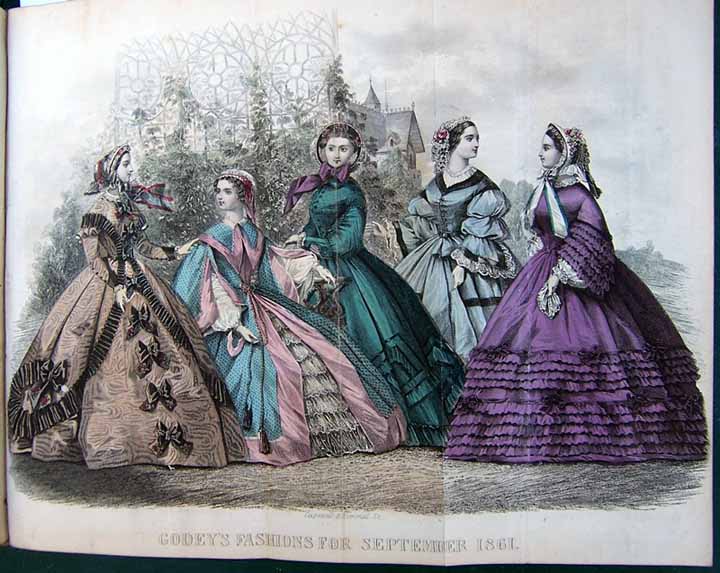
So now that we’ve looked at a few actual garments with the pleated trim, let’s look at some fashion plates. You know, I went through about 50-100 fashion plates from 1860-1865 and I was surprised by the lack of plates that included dresses with pleated trim! Considering that I have frequently seen pleated trim used on existing garments I am intrigued by their relative absence in fashion plates… I wonder if pleated trim is just challenging to execute when creating a fashion plate? Certainly I found some with bands of trim, and perhaps those could have been executed with pleated trim when constructed?
Godey’s Fashions for September 1861
Godey’s Fashions for September 1862
In both of these fashion plates the ladies on the far left are the ones I’m looking at and think that they are wearing dresses with pleated trim. The one from 1862 as especially clear detail that shows the trim being pleated. It is interesting to note that these two fashion plates correspond directly with the two existing dresses at the Metropolitan Museum of Art.























 The Quintessential Clothes Pen