The first step in constructing my 1760s Curtain-Along jacket was to draft up the pattern from Janet Arnold (you can read more about the pattern I chose in my Initial Curtain-Along Thoughts post). In my experience, sometimes the patterns work pretty well without a lot of tweaks, but sometimes you really do need to do some serious fitting to make them work. Given that knowledge, I decided to make a mock-up of the pattern without any adjustments to see how it would fit. The measurements weren’t too far off of my own, so I didn’t think I’d run into any really awful problems.
And here are the results! I put the mock-up together matching up all of the points that were indicated in the pattern.
Initial state. It is pinned down at center front, but I haven’t made any other adjustments. Squishy is pretty close to my shape, so you can see that there are some adjustments that need to be made for the jacket to fit me.First problem: the gap at the shoulders. You can see on the left that I’ve pinned out the excess fabric, and on the right side nothing has been pinned.Second problem: the center back waist point is halfway up the back! I extended the center back seam above the waist so that the waist would sit lower and match the side fullness.I don’t think anyone has a back/hip area that would easily fit into this shape…Third problem: sleeves that are too far off of the shoulder and twisted around in a way that is odd looking and uncomfortable. I had to try this on to make those observations, but you can see the problems in the picture.The solution was to take the sleeve off, adjust the armsceye, and pin the sleeve back on without it being twisty. You can see on the left side that I’ve adjusted the sleeve, and on the right I didn’t do anything.
Oh, I also lengthened the sleeve pattern a bit, because it was a little short on me, and extended center front so it would actually close… After making the adjustments to the pattern, I took to the scissors and cut out the real fabric, mineral felicite and peach linen lining. Then it was on to the hand sewing…
I was recently able to visit a wholesale quilt fabric company to purchase historic dress fabrics for an upcoming mid-19th century performance on behalf of me and other members in my vintage dance troupe. It was such a treat! The majority of the fabrics we found were Marcus Brothers fabrics, but RJR also had a smaller number of really lovely fabrics.
Marcus Brothers Gettysburg Print 1840-1860. To make an1850s day dress.Windham Fabrics Colonies Archives Print c. 1850 and Marcus Brothers Charleston II Print. For other 1850s/60s day dresses.
There were so many lovely things, but the best part was the prices! All of the fabrics were between $2.50-$3.75 a yard! You had to buy a bolt, which varied between 7 1/2 and 15 yds, but at those prices it’s still outstanding! We came away with fabric for the 1850s/60s dresses and bit more besides… There were some things that were just so fantastic they couldn’t be left behind!
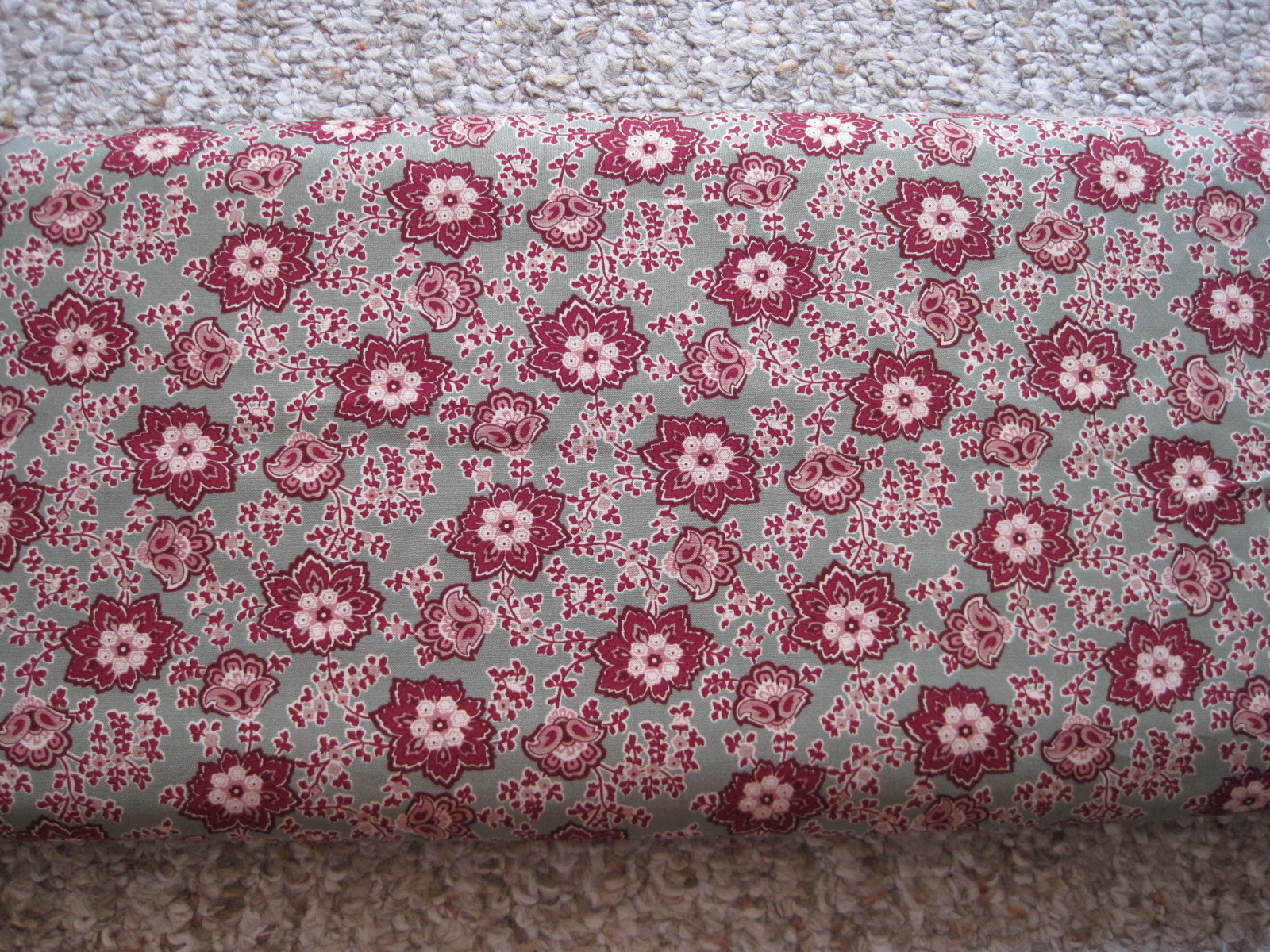
Marcus Brothers Old Sturbridge Village Print. To eventually make an 1840s dress! It’s going to be so pretty! I love this fabric and the colors (it’s actually yellow and pinkish flowers with brownish vines).RJR Print. I have no idea what I will make with this, I just love it. I find it to be so striking!Another sample of the lovely prints. These were purchased by a friend. One will be used for an 1860s dress, eventually, and the other will possibly be used for an 1840s dress, eventually.
Don’t worry, there will be upcoming posts with more on the 1850s day dress I’ll be making as well as the other much farther in the future projects. And I’m sure I’ll also have great pictures from the mid-19th century performance as well.
You might have noticed that my last post was titled “First Picnic Of The Summer: Part I” but I didn’t actually mention what the next part would be. While the last post had general pictures of the day and of our outfits, this post is going to be filled with more artsy, detail shots. We had fun playing with the cameras that were available and working on our photography skills.
These links contain an affiliate code, which provides a small benefit to my shoe fund. This does not affect my impressions and reviews of these products.
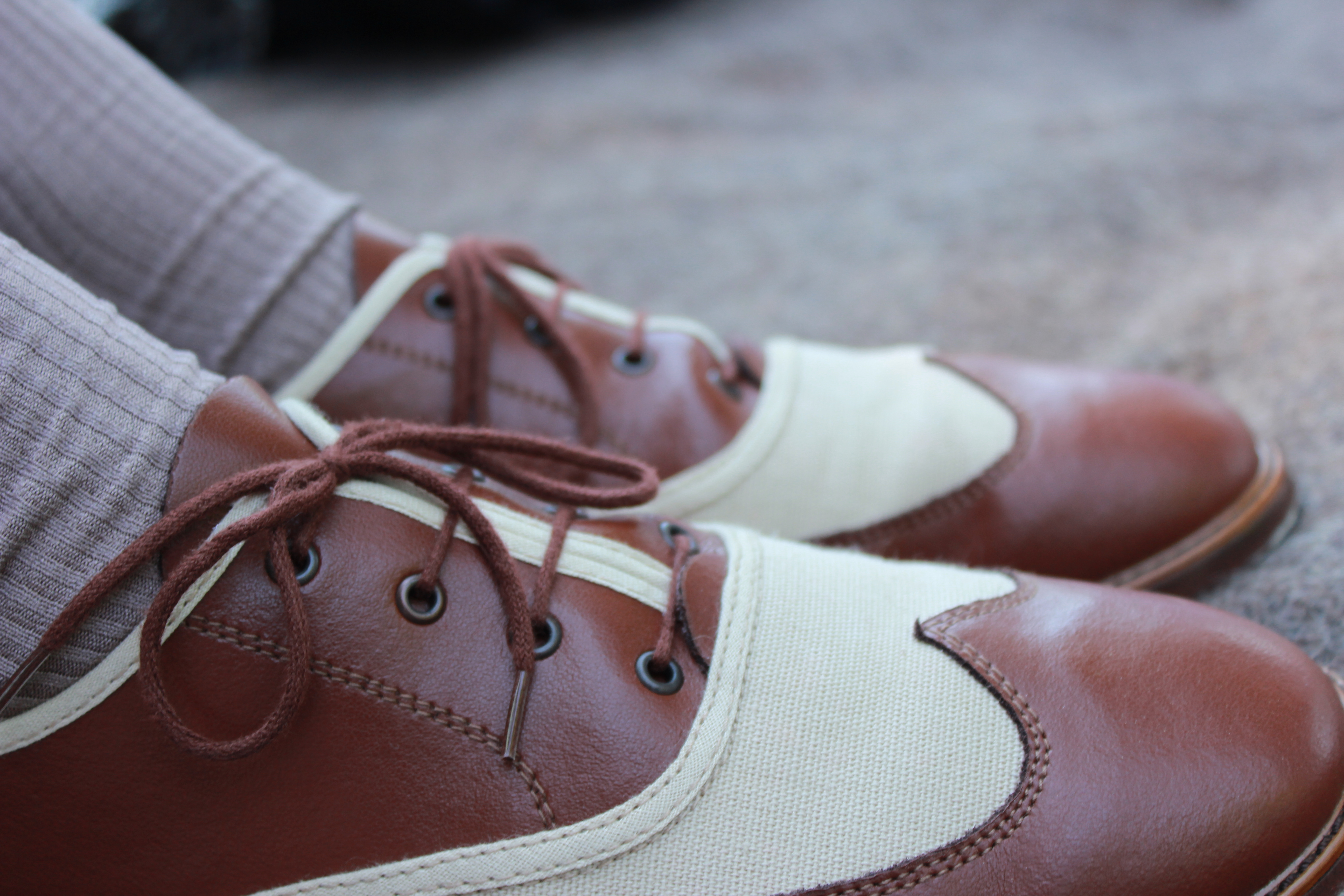
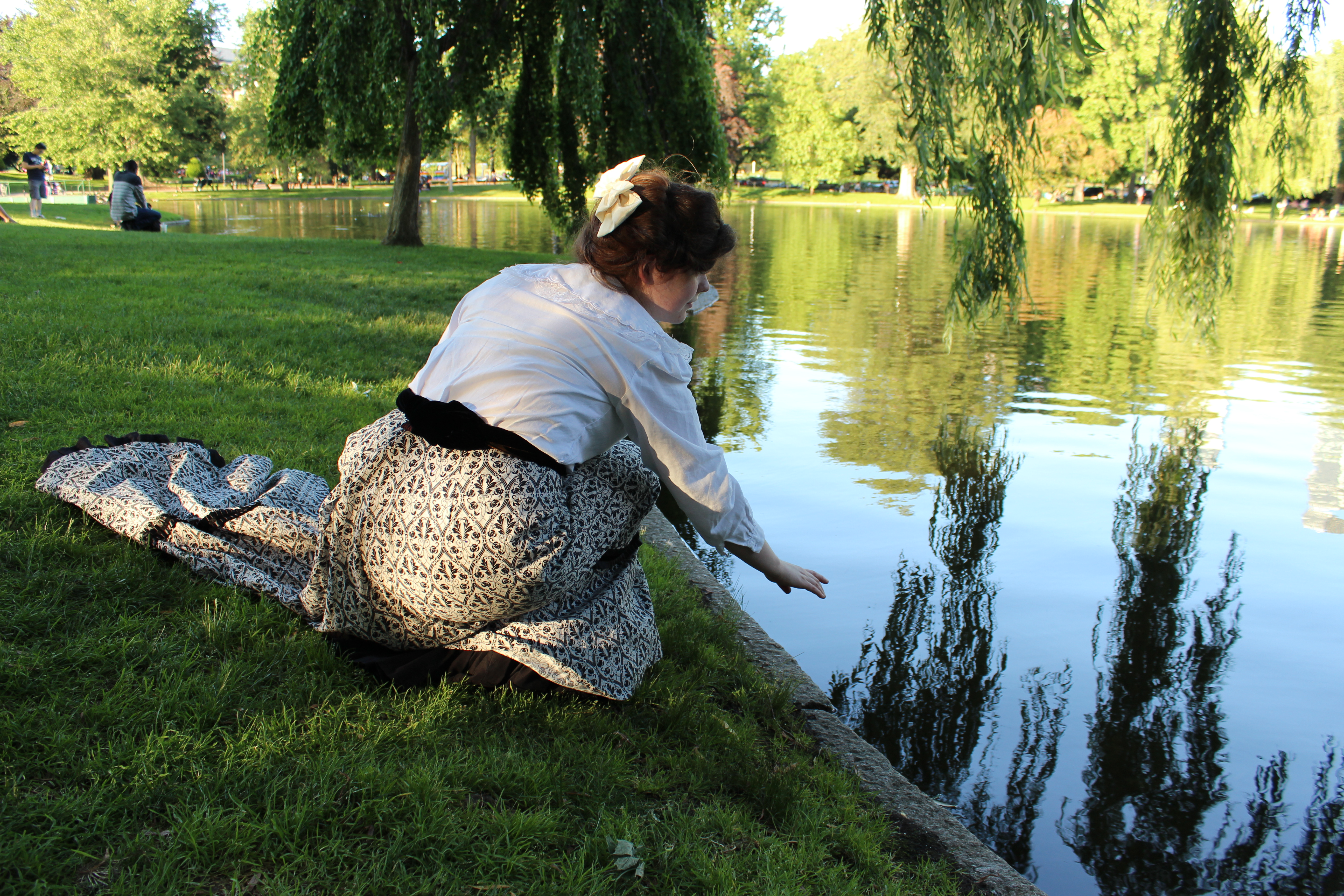
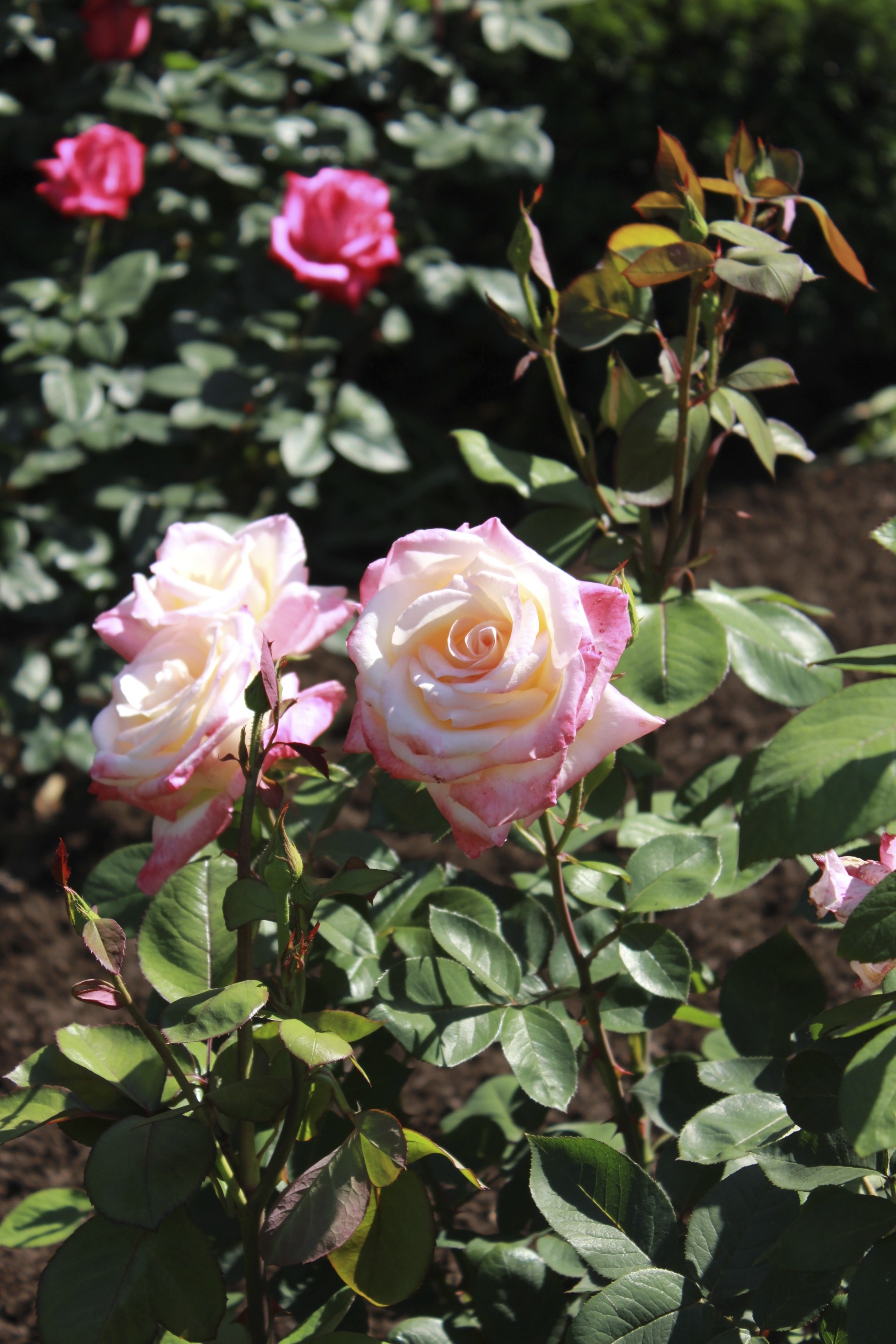
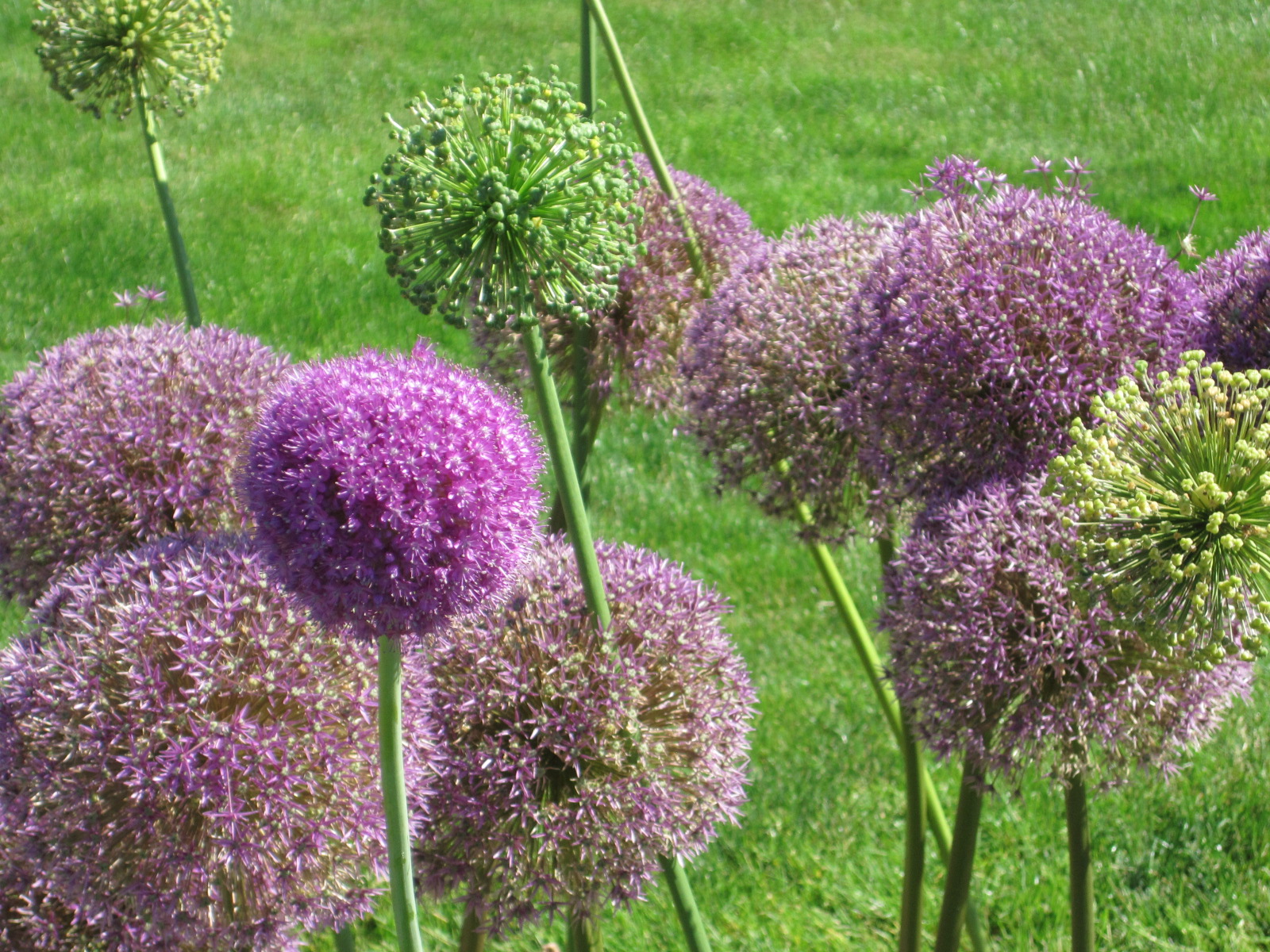
More feet. It’s fun to play with the focus of the photo in these detail shots.Hats!The willow and the trained skirt have similar qualities that make this photo neat.I enjoy how the branches fill in the background space and create complimentary curves with the skirt.This was intended to be casual bench lounging, but it looks very Sleeping Beauty c. 1900 to me. Where’s a prince when you need one?I love the longing reach for the reflection of the willow. That’s a good metaphor for life sometimes… reaching for reflections.This is pretty, too, with the skirt and tree having similar qualities. Also, I love the pop of red on the ground. Could be that those are flower petals… but I actually think they’re the remains of some child’s balloon animal.Playing with the focus on some lovely roses.Baby ducks! I enjoy that they are not what your eye is first drawn to in this photo and I like the super bright green of the tree.My favorite: a close up of the allium flowers!
Last weekend was a whirlwind of events and that means I’ve got lots of pictures to share! The pictures will be coming in small-ish groups. I do hope you’ll be able to vicariously enjoy the nice weather and fun through them.
The first event was a low-key turn of the 20th century picnic in the Boston Public Garden. You might remember that last year we did a Regency picnic in the same place? We were out to have a good time and get some fresh air without worrying about 100% historical accuracy, hence the low-key part of the description. So without further ado, pictures!
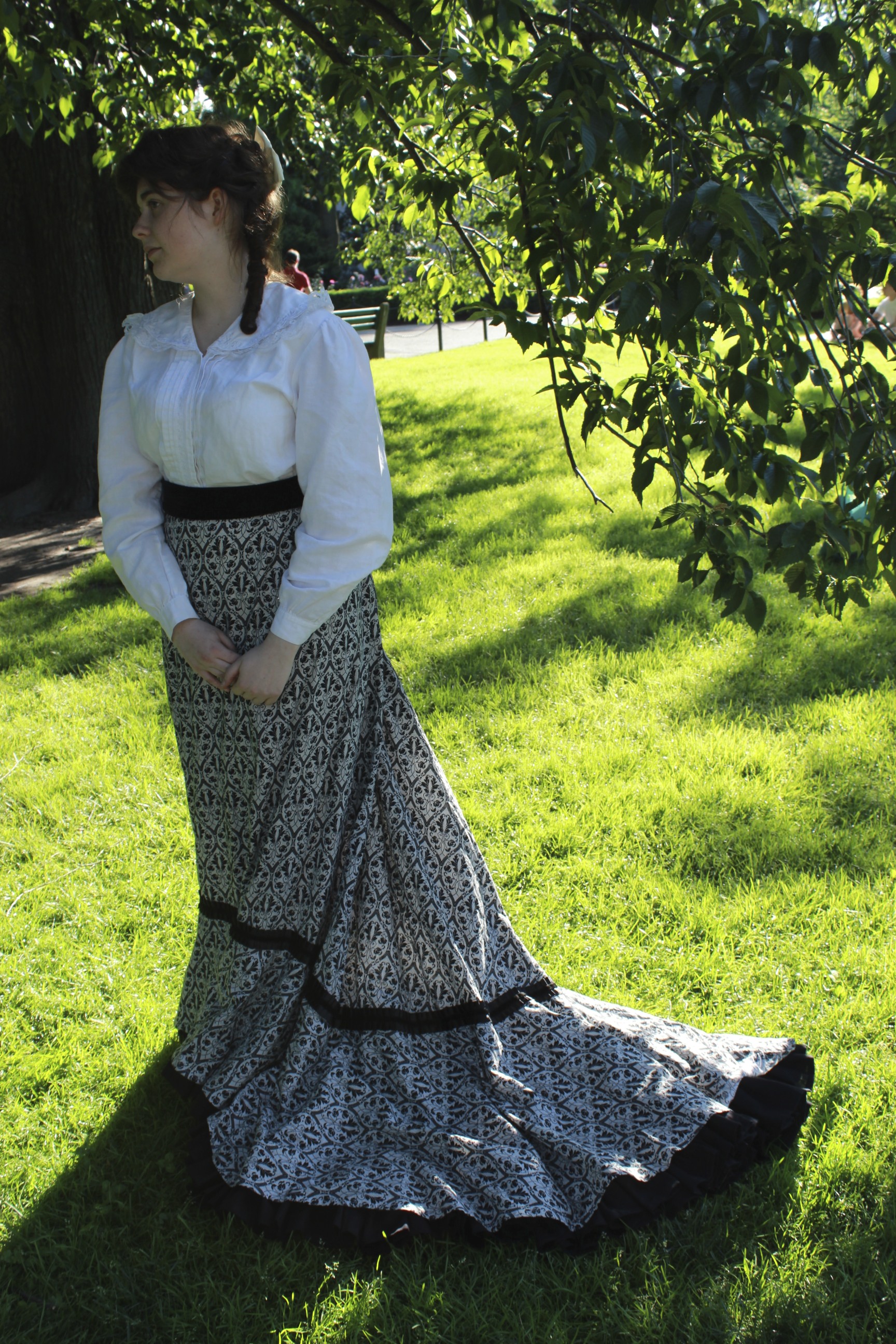
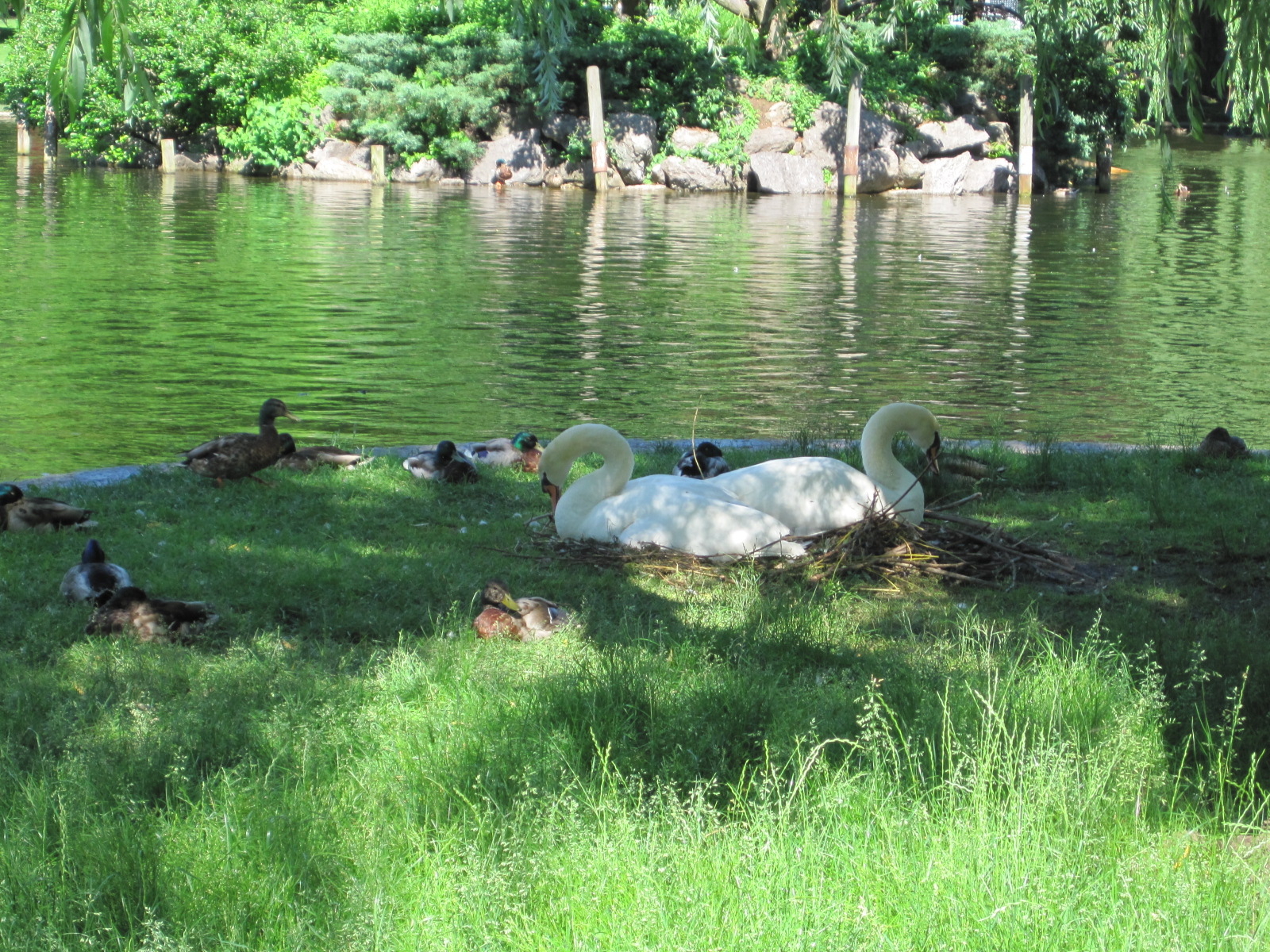
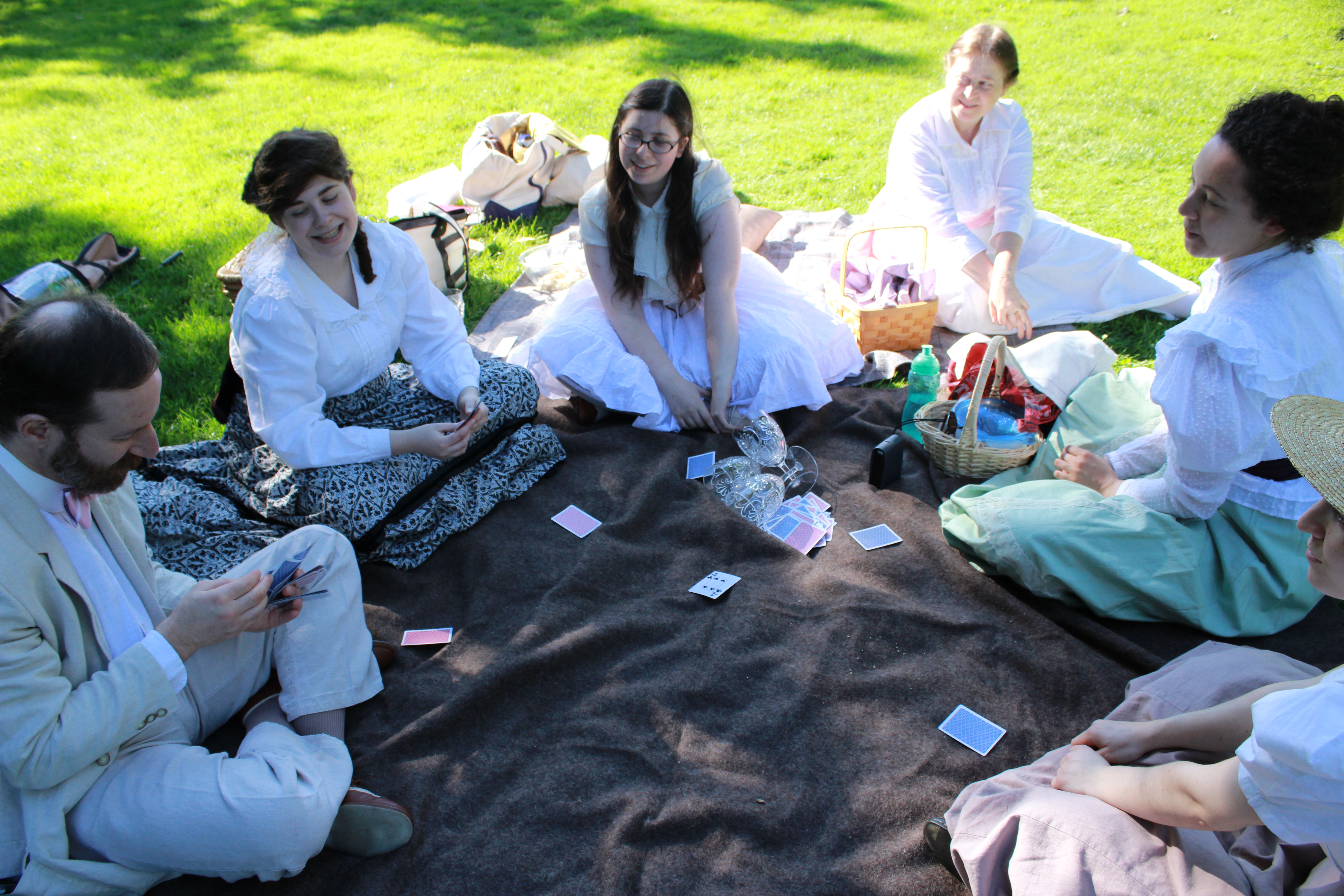
Taking a turn about the garden.There are lots of ducks in and around the swan pond in the center of the garden and this time of year you can also see baby ducks! There were 9 of them in this bunch. Aren’t they cute?There are also swans around the swan pond. These ones were nesting in a fenced off area. Pretty, but you wouldn’t want to get too close. Swans are big, and mean.There are lovely old trees around the garden as well.The trees make great backdrops for photos.Walk a bit away from the swan pond and you are likely to encounter George Washington, who happened to be showing off his Bruins spirit this past weekend. (I love that the city, presumably, had a custom all-weather jersey-cape made, since Washington can’t actually move his arms to put on a jersey, given that he’s bronze…)All around the statue of Washington are lovely flower beds. The flowers get changed out pretty regularly so they’re always blooming and pretty. These flowers are my favorite though! They’re called allium, and I love the colors, and the size, and the circle-y-ness of them.I believe I have a weakness for circle-y things. And, my outfit matched the flowers! I think my gibson-y hair turned out pretty well, too.I know this picture is similar to the last one… but I can’t decide which one I like best. I’m hoping maybe you have an opinion that will sway me one way or the other?It got warm promenading about the garden, so we returned to the blankets in the shade to play cards.After the rest, we broke out the croquet set we had brought along. Apparently we were more interesting while playing croquet than we were at any other time during the day, because we actually gathered a crowd of people who were watching us play.Contemplating my next shot. I was getting out of the metal panel obstacle…I was the pink ball! I think it was supposed to be red, but it looked awfully pink to me!My outfit choice was inspired by an image in the KCI collection. I did my best to imitate it in spirit, despite my lack of a boater.When revisiting the image I realized that it does not include a croquet mallet. Be that as it may, I tried, and I think the inspiration is clear, even though my memory is not!Picnic-ers!
It’s been a fair bit of time since I first thought about joining in on the Curtain-Along hosted by Jen of Festive Attyre. I thought the idea was fun and I was inspired by the Waverly curtain series, but I wasn’t inspired enough to get involved… until I saw additional colorways being offered by fabric stores as yardage rather than curtains! It’s not that they were being offered as yardage, it’s just that I like the colors better and I like that they will be less represented in the costuming world, since most people seem to have gone for the traditional curtain color ways.
Waverly Mineral Felicite: my fabric.
Anyway, I mentioned way back in October that I had bought some yardage of the Mineral Felicite colorway of the Waverly fabric. It’s taken me about 9 months to get around to using it, but I’ve finally found the time! I’m super excited about it. The colors are lovely and I’m branching out (haha, no pun intended) into an earlier period than I usually inhabit as inspiration for my Curtain-Along garment.
This main inspiration jacket has the ambiguous dating of “18th century” and the details aren’t super clear cut for me to do my own clear dating. I like the simple shape, the colors, and the blue silk ribbon trim on the edges. These are all aspects of this garment that I want to bring in to my own jacket, but I also wanted to find a shape and style that appeals to me. So I did a lot of thinking about what decade of the 18th century I wanted to aim for. There was lots of looking at Pinterest. Initially I thought I wanted to aim for 1770s, but after more thinking I’ve settled on the 1760s as the decade for this jacket.
I picked the 1760s for a variety of reasons. 1- I want to be able to wear the jacket with a future quilted petticoat and quilted petticoats were most popular between 1700-1775; 2- Conveniently, there is a pattern available in Janet Arnold for a 1760s jacket; 3- I like the slightly longer skirts on the jackets of the 1760s.
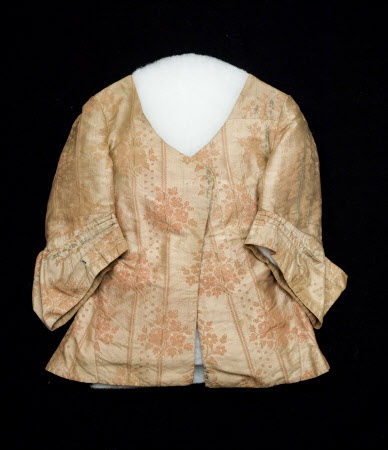
The jacket below is the one Janet Arnold took the pattern I will be using from. I will likely omit the cuffs (I’ve got a future 1740s jacket project in the works with cuffs!) and will almost certainly be adding the blue silk ribbon like my original inspiration jacket.
Jacket. 1760-1790. National Trust Inventory Number 1348744
I’ve been trying to be good about not buying more fabric… but sometimes things are just too good to pass up, or an event comes along that requires new clothes! I think I last bought fabric in January, so that’s a pretty good few months of no-new-fabric.
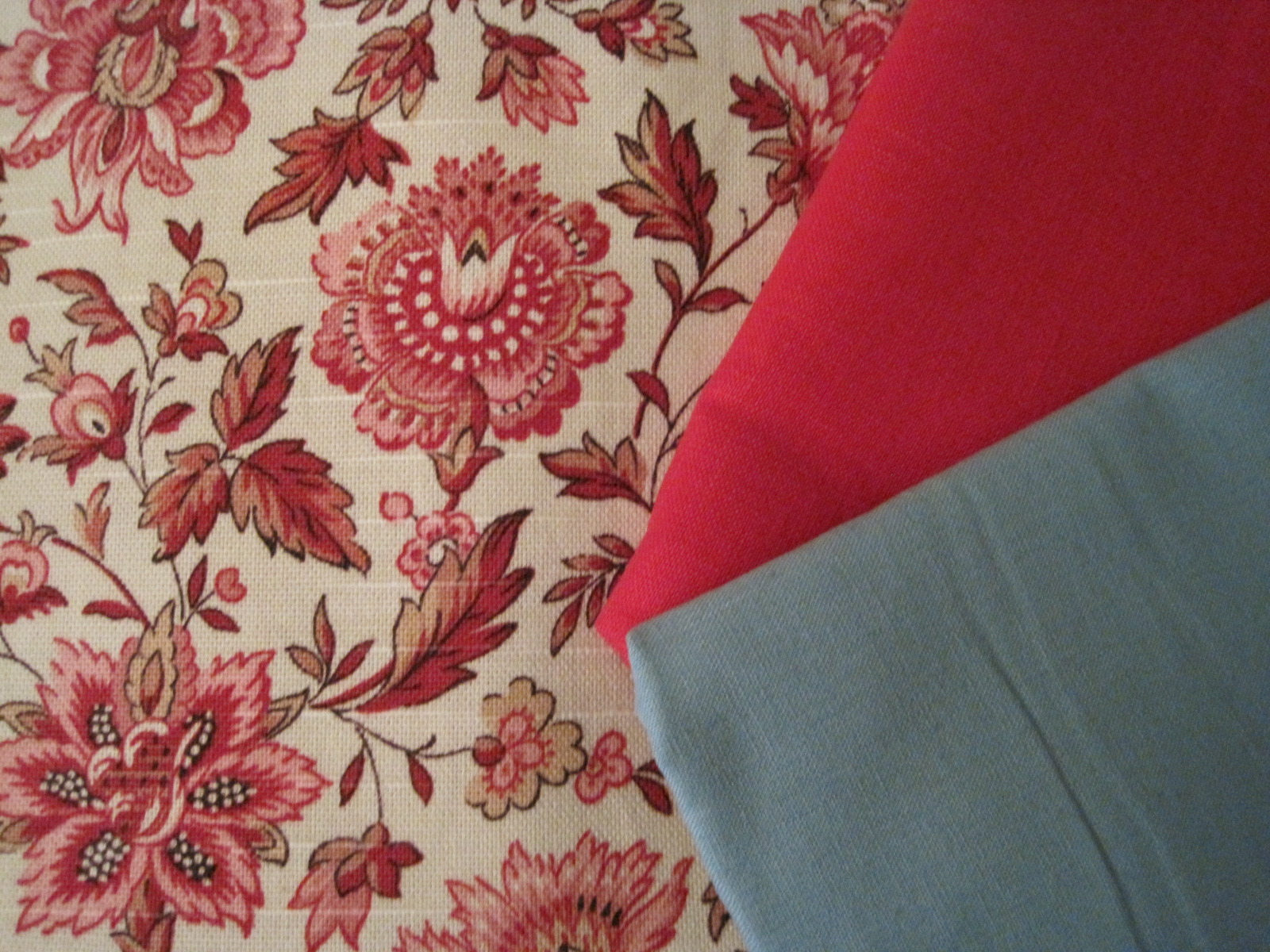
I wasn’t even looking for this fabric! But I happened upon this great red/pink/brown cotton chintz and couldn’t get it out of my mind. In the end, I decided I would regret it if I didn’t buy it. And there you are. I’m thinking of perhaps an 1790s/1800ish open robe eventually. The other two fabrics wouldn’t have been bought on their own, but with the chintz already being purchased… I tacked them on to the order. There is a small bit of the cherry red linen, to make a 1740s jacket some day, and a bit of that blueish cotton/linen blend. I was hoping it would be more teal colored, but it’s not. So it might get relegated to lining something else.
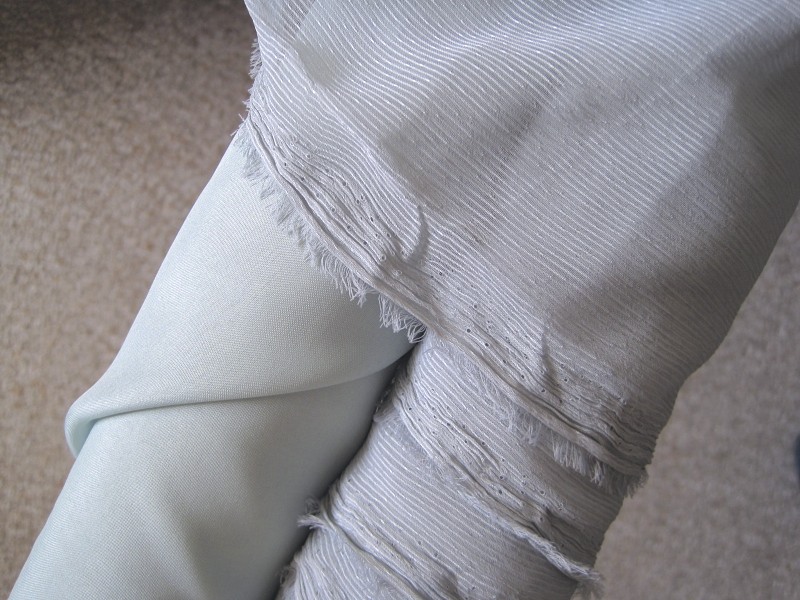
Later in the month, I was on a grand search to find fabric for an 1860s cotton dress and came across this fabulous light teal stripey fabric for $1/yd. I’m calling it the elusive blue green fabric in my head, because that color is sort of hard to find and I’ve been inspired lately to find it. At $1/yd I couldn’t pass it up!
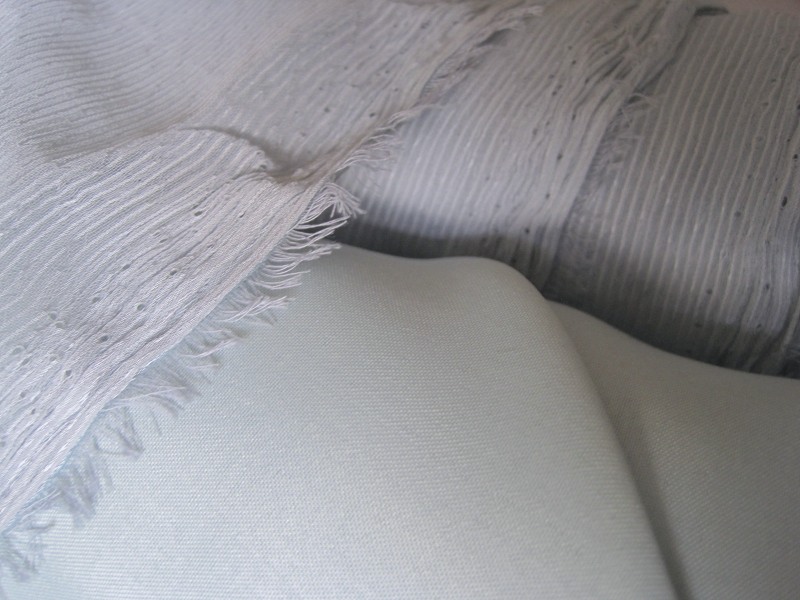
The pictures don’t really do it justice. I’m thinking of making a new Regency evening gown using it and perhaps a 1906ish evening gown some day as well. I bought that similarly colored lining to go with the stripy for the 1906ish evening gown, because at $1/yd in the right color it’s just meant to be, even if it is polyester. I’m not sure what the fabric content of the stripy fabric is, but I’m guessing it’s probably man-made…
Lastly, I’ll be performing in another 1920s dance event next weekend during the day and I needed a 20s day dress. I wanted it to be washable and I didn’t have any appropriate fabrics in my stash. There weren’t a lot of options that I liked, but in the end I went with this royal blue cotton lawn swiss dot. The dress will have white accents on it (and is looking rather sailor-like, despite that not being my intent). I have to just claim the sailor look so I don’t feel foolish in it.
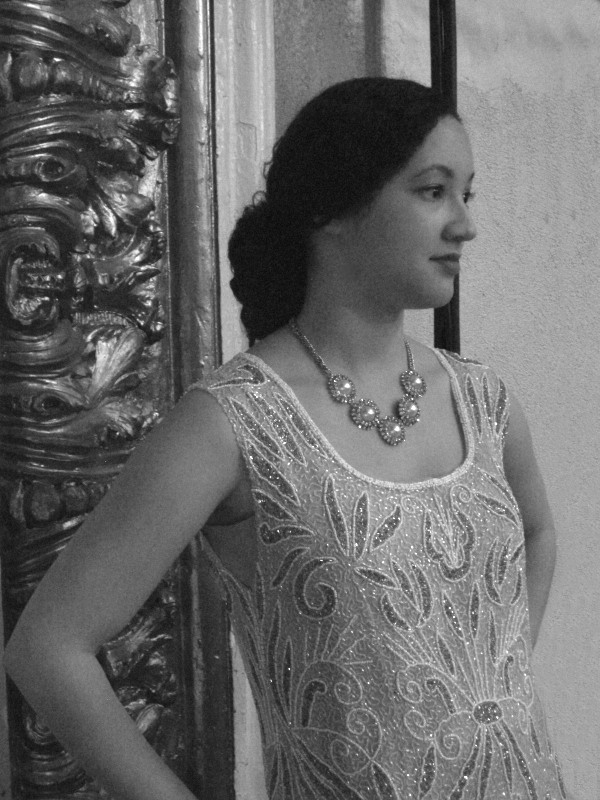
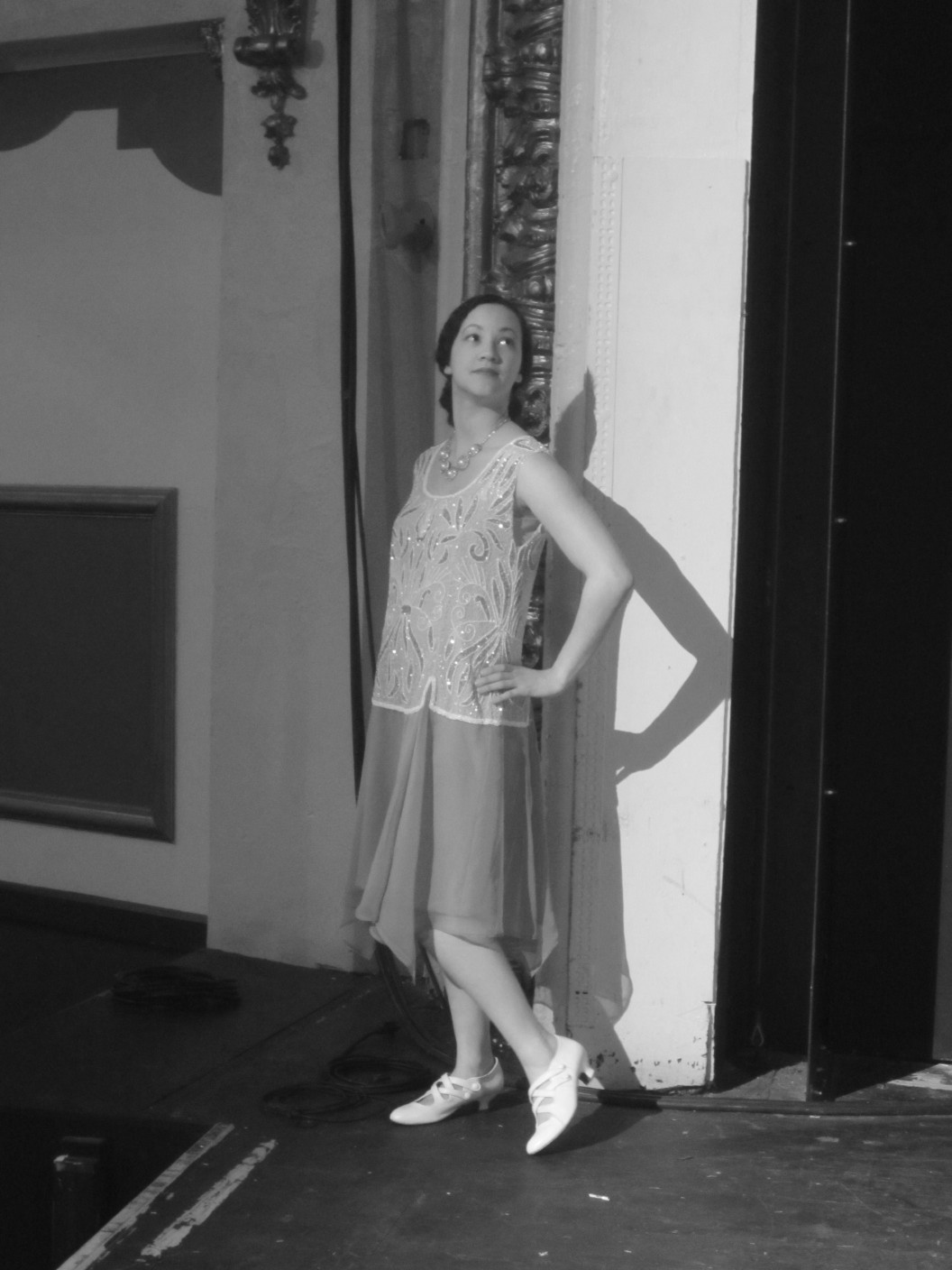
I think I like them better as pictures, though perhaps not as much for showing off the dress. They really have more of a 1920s feel to them, don’t you think?
Well, it’s June now, and that means summer to me. I’ve been slow to post about my kite making adventures because I was busy posting about other things, but it seems fitting for this post to be the first one of June–summery, somehow.
After the official end of the Regency Dance Weekend I’ve been posting about recently, my friends and I stayed in the Salem area to relax a bit and have some further Regency adventures. We had been brainstorming about what sort of activity we might engage in that was outside of our usual occupations and had settled on the idea of flying kites!
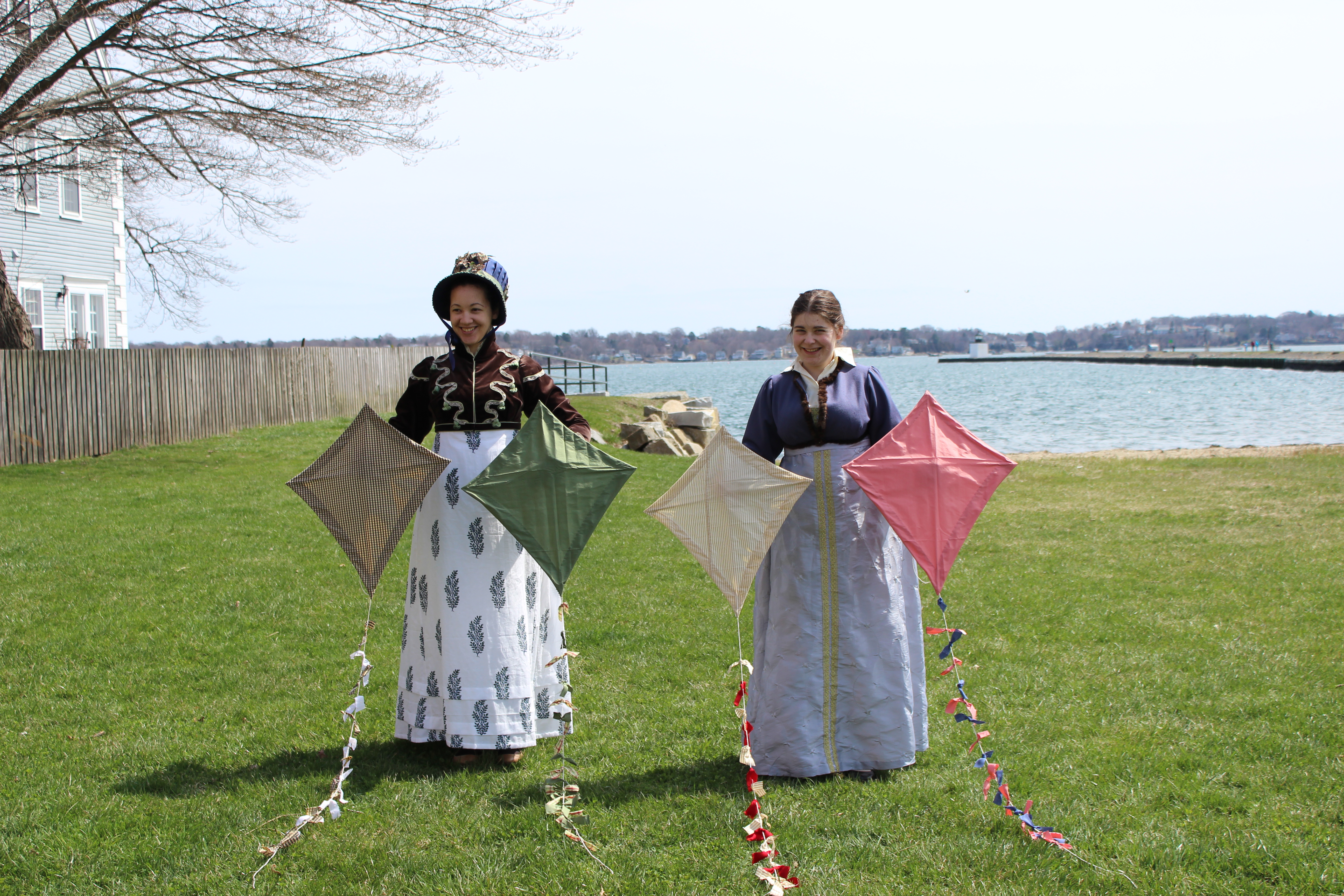
I did some research into Regency kites and spent some of my evening time during the weekend sewing these four silk kites with some help from friends.
Plaid, green, striped, and pink.
I didn’t find much to go on with the kite making. The best source I found was Jen’s post about Georgian Toys on her blog Festive Attyre. The post includes a link to this kite making how-to as well as a link to this 18th century extant kite. Unfortunately, I couldn’t find more information on the extant kite than that which is on that one page. Jen’s post is great and includes fun information about other Georgian toys as well as kites. The how-to link is a good one as well, though I did sub out modern methods for more period ones. For example: there is no tape to be found, instead there are stitches.
Making the kites was fun. I went to Home Depot to buy the dowels for the kite frames. They were cheap and luckily you can saw the lengths to be what you need while you’re in the store (good for me since I don’t own a saw!). I also bought twine there. It’s a poly-cotton blend (boo), but it’s smooth on the hands, so that’s worth it! The kite tails are bits of the main fabric and a contrasting fabric just tied around the twine. Instead of notching the ends of the dowels after they were cut (I tried, and it failed, because the dowels just wanted to splinter) I just wrapped the twine around the ends enough times that it wouldn’t move. The method definitely worked and sometimes that’s all you need.
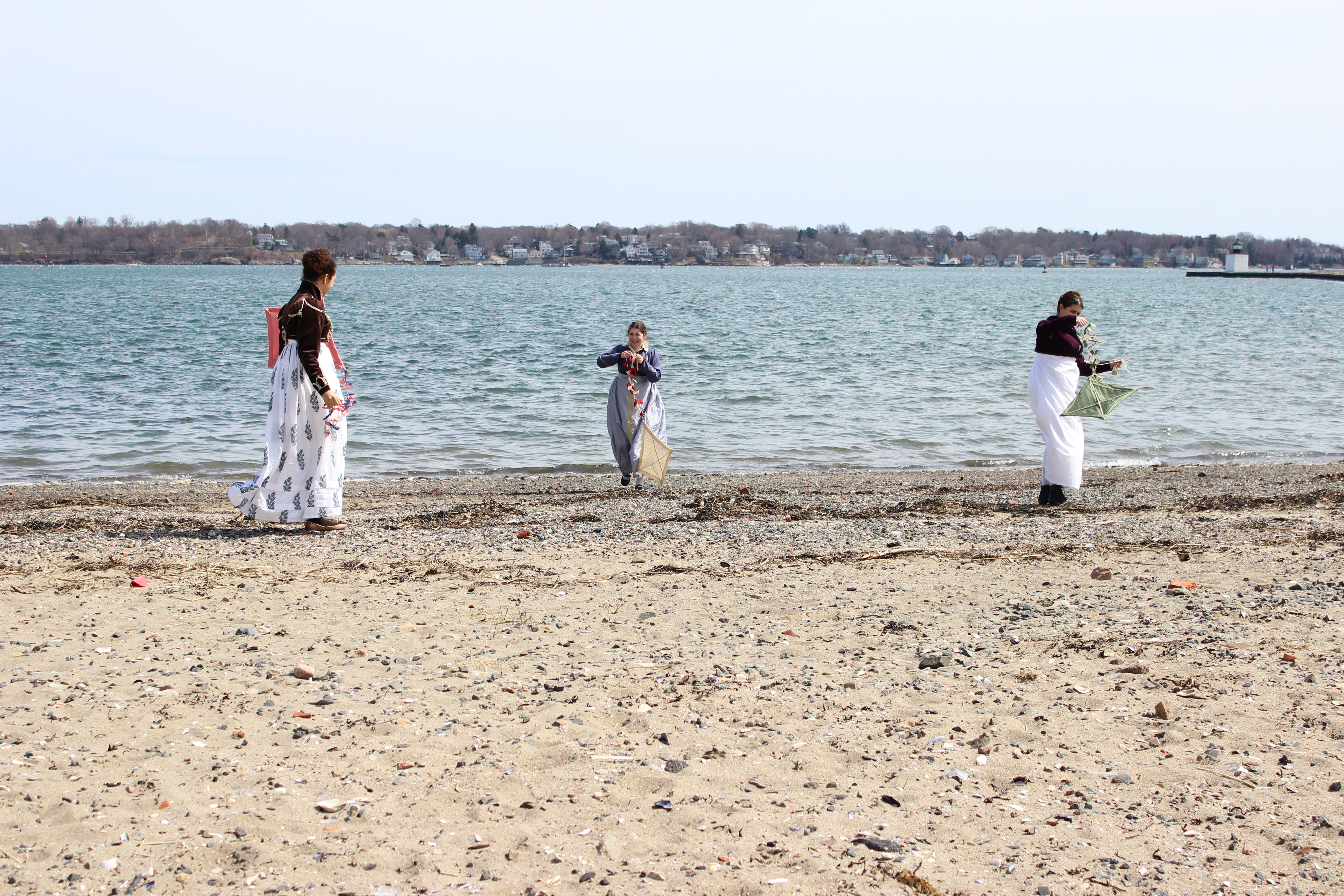
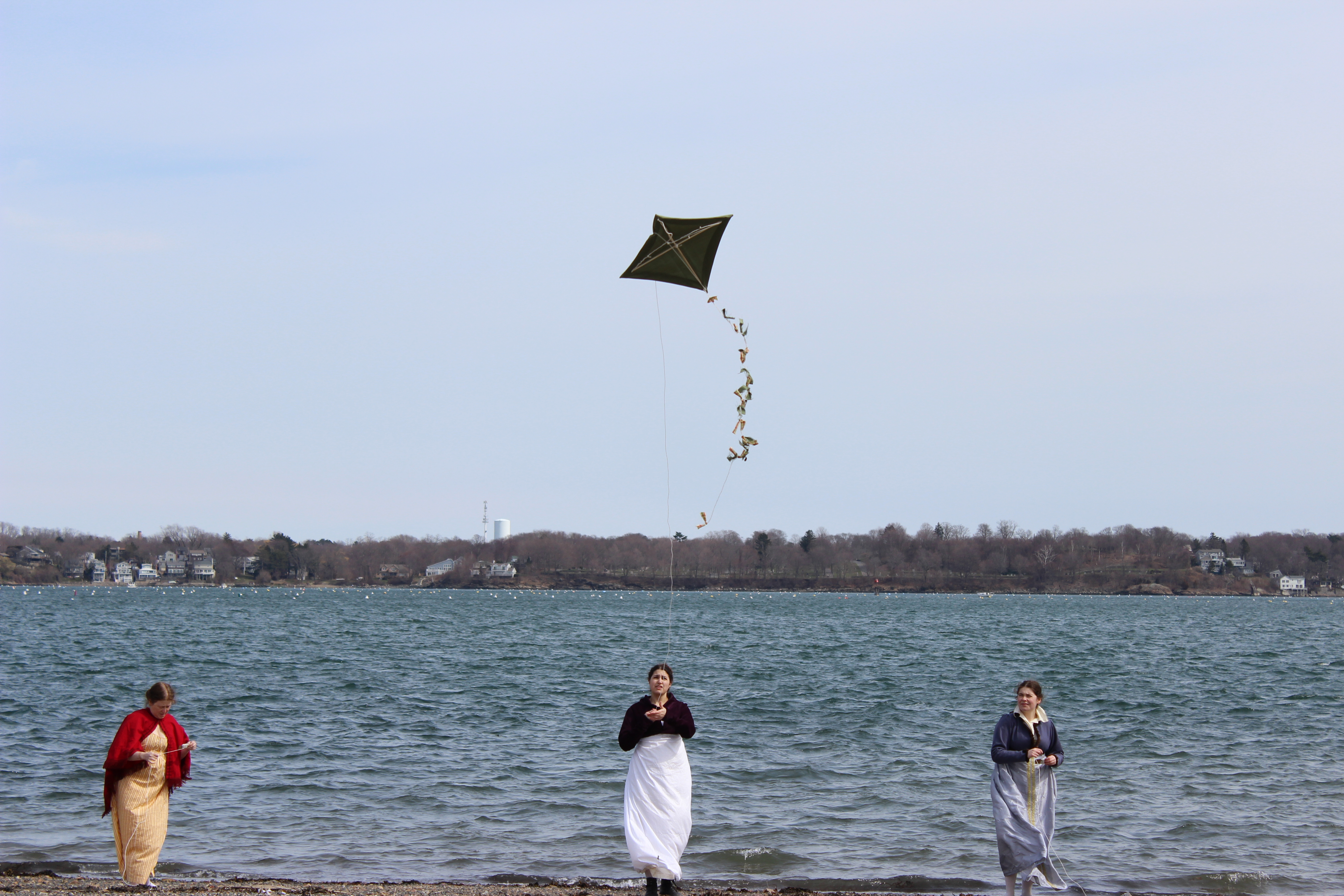
Despite the fact that it was super windy by the water, we had trouble getting the kites to stay in the air. I’ve surmised that my kite engineering skills are not super outstanding, because the kites did lots of circles near our head height and then dove into the ground… over and over and over again… It was a bit frustrating. These pictures capture the few times we got the kites up in the air. Trust me when I say they didn’t stay up very long!
Perhaps a running start?Perplexed but still trying.Clearly this kite did not want to go up.Triumph! (If only for the moment!)This kite had the best luck at staying in the air.Another successful moment.
There were some adjustments and kite injuries along the way. One of the dowels in the pink kite broke, so I have to figure out how I’m going to fix that. The other kites had things like alternate bridles made and pennies sewn into the edges to try to add weight. Some of those things seemed to work. I guess I just need to do some research about what makes kites stay up. I’m not sure the tails worked very well, either. They tangled easily and were hard to sort out again. If you know anything about kite making and have tips, I’d love to hear them!
This is definitely something I plan to work on and try again. Perhaps at a summer picnic? We’ll see. It was a fun endeavor, despite the diving kites (and I had the opportunity to wear my new Tree Gown again!). Plus, there were pretty places nearby to take pictures!
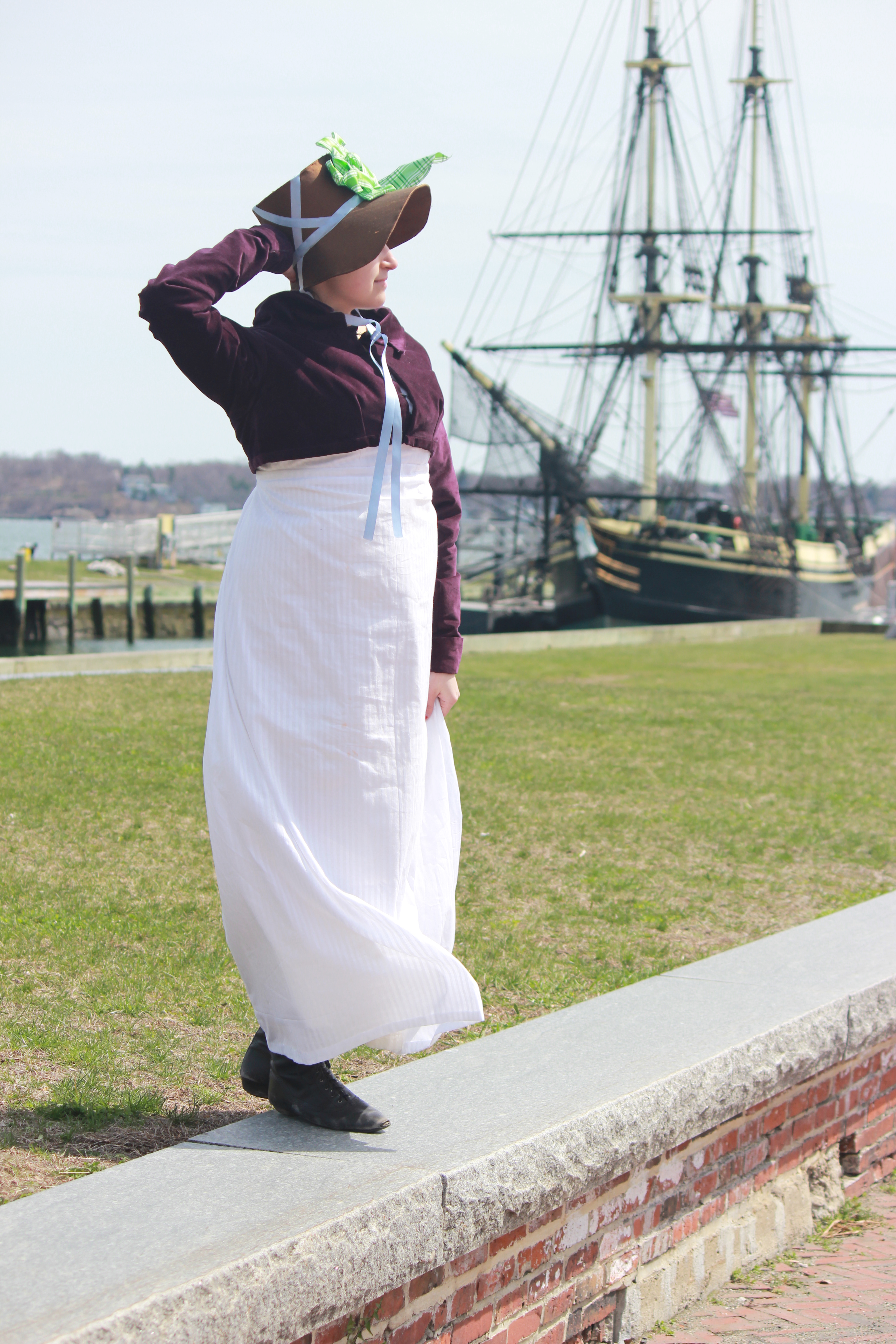
Perfect photo opportunity.It was pretty windy, so hat holding was totally necessary!
In my opinion, it looks like a furry animal (goat, sheep, elk???) got entangled with a fringe machine. All those shades of brown are not pleasing together, to my eye. I imagine this must be very heavy.
What do you think? I’d love to hear from you if you have a differing opinon.
Recently, I’ve been doing lots of thinking about and planning for a variety of summer sewing adventures. Whenever new projects begin there is a lot of research into the silhouette, cut, and fabrics. I’ve got my oft-referenced books, but the internet contains caches of great (and trustworthy) information as well, if you look in the right places and are wary of the information that is untrustworthy.
Here is one new information source you probably haven’t come across in your internet travels: the Commercial Pattern Archive at the University of Rhode Island. “CoPA-Online contains over 50,000 scanned images (garments & pattern schematics) from 42,000 commercially produced patterns, dating back to 1868 and is growing daily.” Here is the background on this great resource:
The Commercial Pattern Archive database, CoPA, provides a unique tool for researchers and designers to recreate or date clothing from 1868 to 2000. There are several collections from the States, Canada and the UK represented in the database which functions like a Union Catalog of pattern collections. The cornerstone of CoPA is the Betty Williams Collection. Betty Williams, a theatrical costumer in New York City, pioneered research on commercial patterns in the early 1980s. She became a leader in the field, establishing a major personal pattern collection and encouraging others to actively participate in the collection and storage of patterns. Betty passed away in 1997 leaving a wealthy legacy of research, and an extensive pattern collection now housed at the University of Rhode Island. The Williams Collection is combined with the URI and Joy Spanabel Emery Collections in the Commercial Pattern Archive in URI Library Special Collections.
One of my students shared this resource with me a few months ago and I have only just started digging into all the wonderful information that is available. You have to subscribe to see all of the patterns in the collection, but there is a free sample search that brings up a limited amount of patterns. I’ve just been using the free sample search and have found lots of fabulous patterns. Some of the patterns just show the envelope front images, but a lot of them also contain an image of the construction pieces. It’s great, because you can see lots of patterns and layouts for different silhouettes from different periods. The archive includes clothing patterns for men, women, and children, nightwear, underwear, swimwear, outwear… a huge variety of patterns and information! It is also possible to arrange to visit the archive in person.
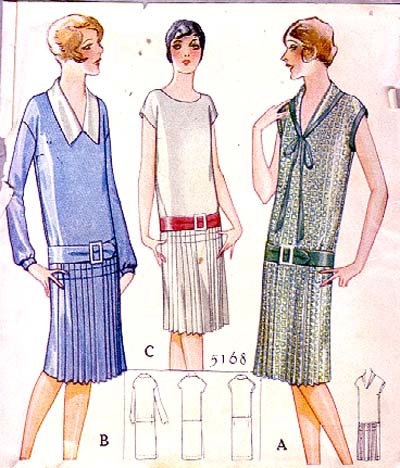
Coming up in my sewing queue for the summer are garments from the 1760s, 1860s, 1880s, 1920s, and 1950s. Ooo, exciting variety, right? You never know in what period I’m going to turn up next! (Except that in the past it was pretty likely to be between 1810-1930… but I’m pushing the boundaries now on both ends!) So far I’ve accessed CoPA to find resources for the 1880s and 1920s. Here are some examples:
1885 Beatrice Bodice Pattern at CoPA.1927 Slip On Dress with Pleated Skirt Pattern at CoPA






















 The Quintessential Clothes Pen