Project Journal: 1815-1820 Regency Ensemble Part I: Corset Research and Patterning

First of all, Happy Thanksgiving!

I have a whole list of projects to work on during this Thanksgiving period: I need to reinforce some trim and closures on various gowns that will be worn during the next few months, I need to build a flowered hair accessory (I hesitate to say wreath) to match my blue 1860s ball gown, Belle, and I need to construct a Regency corset! I’ll pass over the stitching of the trim and closures (because, really, I don’t think that would be an exciting post) and save the hair ornamentation post for later. That leaves us with one more topic… The Regency corset.
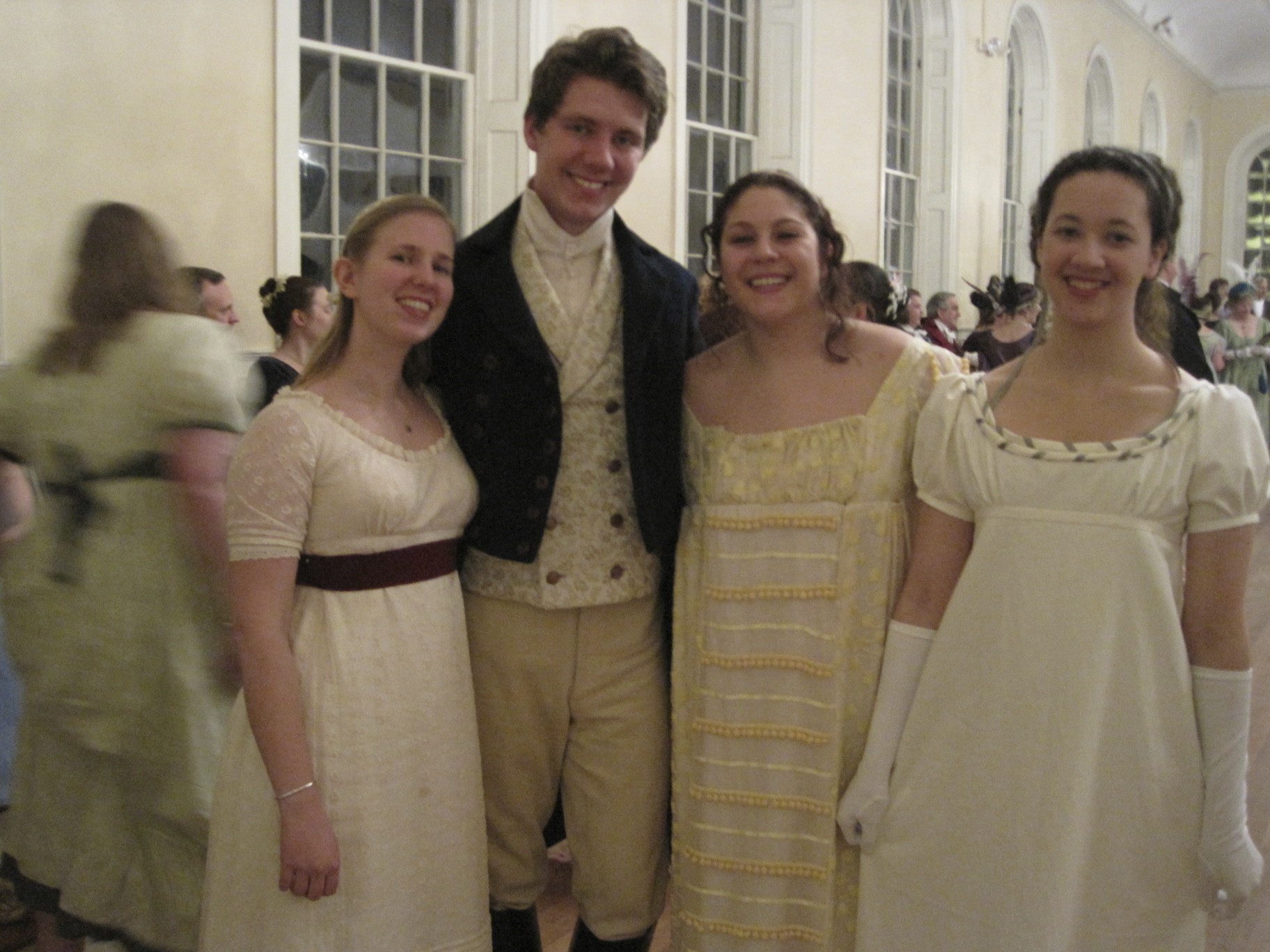
I don't have very many good pictures of this gown (I'll have to get some!) but I'm on the far right. Click on the link to the left to read more about this ball!

Here’s the background on this plan: I have a Regency dress that I built last February. At the time, I could not build the undergarments that would accompany this gown at that time. (You can read the story of the dress here.) Now I have time and so I plan to backtrack to this project and make the right undergarments! I have a chemise which will work (you can see it under my 1780s corset in the photos in this post) because chemise styles were unvaried from the late 18th century through the first quarter of the 19th century; however, I do not currently own a Regency period corset!

First of all, what is the Regency period? The term brings to mind Jane Austen books and films and general ideas of the early 19th century, but upon closer inspection Regency is actually more specific than I was thinking. I’ve got two relevant definitions for you from the Oxford English Dictionary.

  1. Noun: Senses relating to government or rule by a regent. Usu. with capital initial. The period during which a regent governs; spec. the period in France from 1715 to 1723 when Philip, Duke of Orleans, was regent, or in Britain from 1811 to 1820 when George, Prince of Wales, was regent.
  2. Designating a style of architecture, clothing, furniture, etc., characteristic of the British Regency of 1811–20 or, more widely, of the late 18th and early 19th centuries, featuring neoclassical elements often with Greek and Egyptian motifs.

Regency is a more specific period of time than that of the overarching Georgian period, which includes the reins of George I, George II, George III, and George IV of Great Britain. The Georgian period is from 1714-1830 and sometimes includes the years 1830-1837 as well. 1837 marks the beginning of Queen Victoria’s reign, which is where the term Victorian comes from.

Upon reflection I realized that I had forgotten the year my dress is from! Certainly it is Georgian, but is it really Regency? I had made the gown in a rush and so I had to retrace my steps and really think about what specific span of years the gown fits into to answer that question. It turns out that the gown is, in fact, from the Regency period: it is from 1816-1819! Whew!

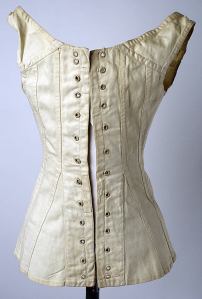
Once that information was determined, I could move forward and research the corset shapes and patterns of that specific period (that is, 1816-1819). It turns out that patterns in Norah Waugh’s Corsets and Crinolines jump from the late 18th century to the 1820s; however, I did find images of extant corsets from the first part of the 19th century. “Oh well,” I thought, and used the images and the 1820s pattern in Corsets and Crinolines to drape a pattern.

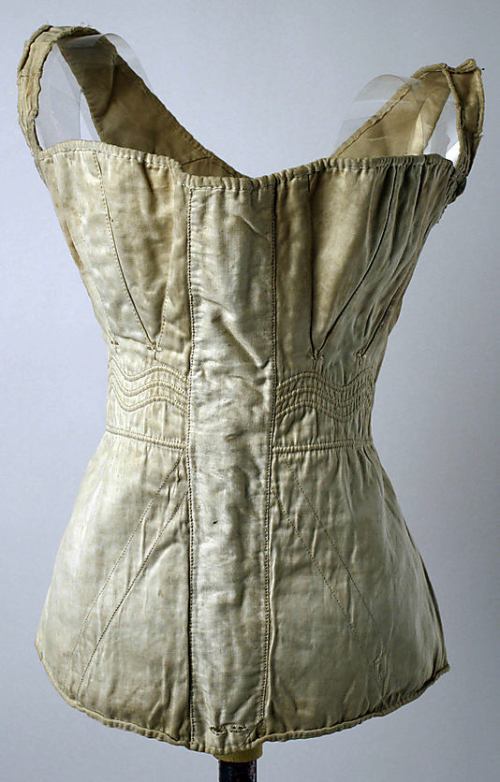
Here are some of the research images from the Metropolitan Museum of Art. I’ve included a wide span of years so you can see the development of the corset shape over time. Note the bust and hip darts as well as the beautiful quilting that begins to define the waist by the 1840s.
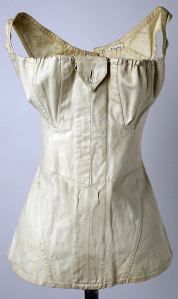
c. 1811 Cotton Corset
c. 1811 Cotton Corset Back
1815-1825 Corset (I really like the simple lines and straight forward color combination in this garment: this is my most inspiring image. It is interesting that the lines of this corset are so simple, relative to these other examples. This corset seems to be lacking hip darts or an inward angled front panel plus side panel.)
1820-1839 Cotton and SIlk Corset (the embroidery on this corset is great)
1820-1839 Cotton and Silk Corset Back (I especially like the back)
1830-1835 Cotton Corset
1830s-1840s Corset

I am including these last ones because I think they are lovely, even thought they are not from the period I need to build. I’ll have to keep them in mind for future!

1820 Corset (this is in the Collection of the Kyoto Costume Institute)
1830-1839 Cotton Corset

Project Journal: 1780s Ensemble Part V: Completed Stays

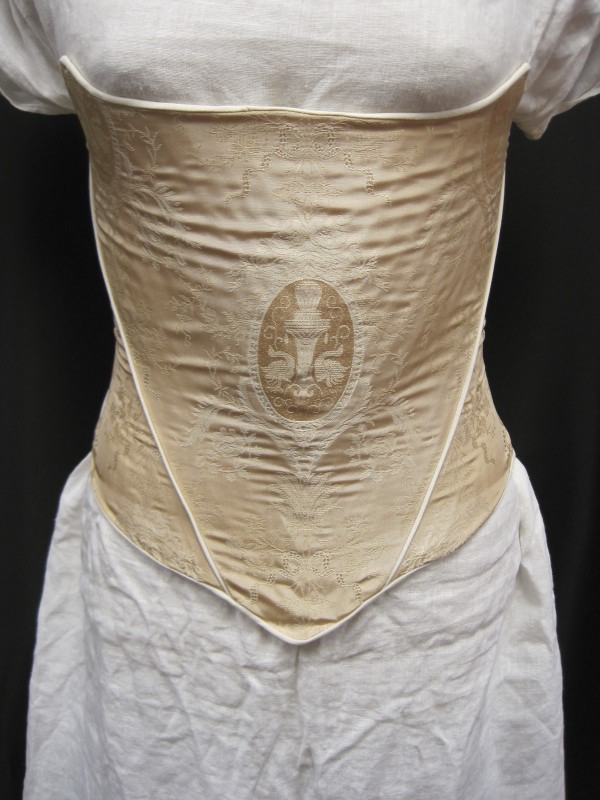
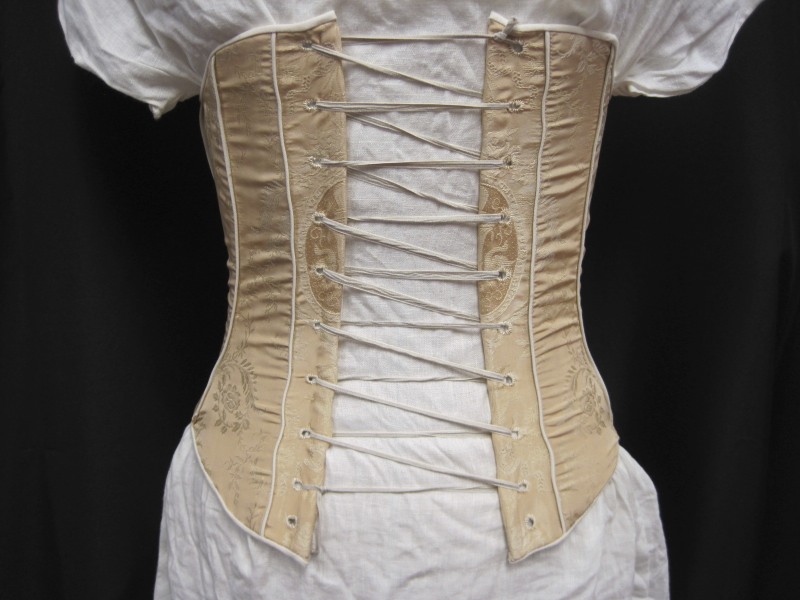
Wohoo! My 1780s stays are complete! I think they turned out quite well. They certainly resembles my inspiration image. You can see that image and read more about the construction of these stays by reading this previous post.

Finished front
I used 1/4" linen tape for the lacing
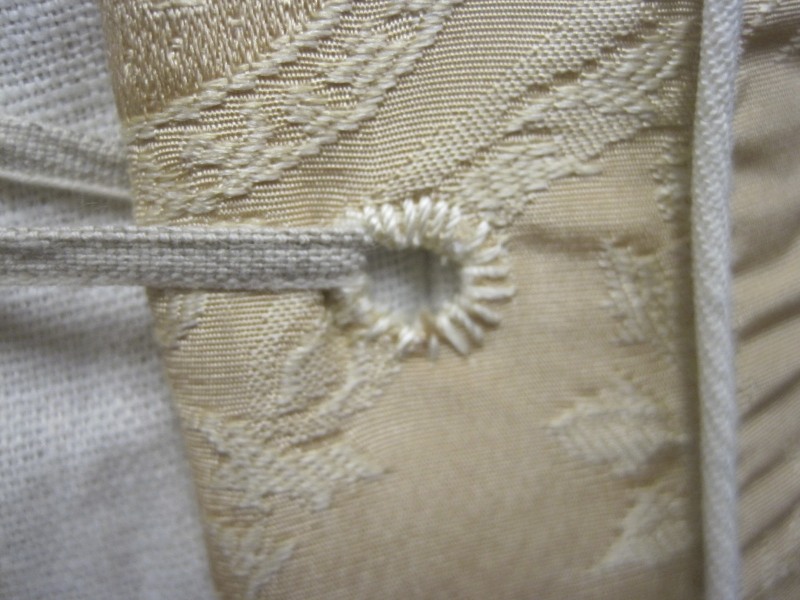
The lacing holes are hand sewn eyelets
Side view
Side front view

I made the chemise as well. It is just a simple linen tee shape without set in sleeves. It is mid calf length and has a low neckline in front and back.

Soon I’ll post pictures of the finished 1780s exterior garments as well!

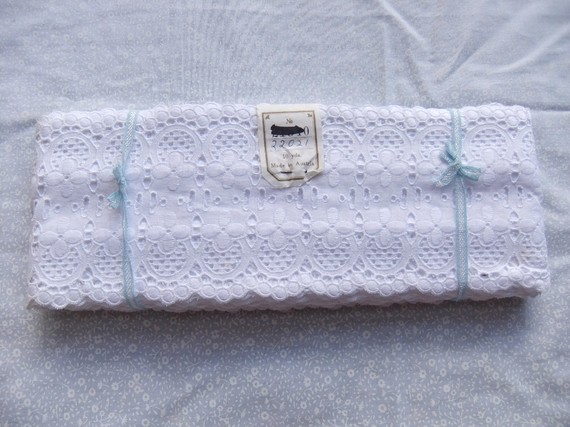
Vintage Lace! (for sale on Etsy)

This Etsy shop (empireroom) has wonderful vintage lace for sale by the yard! The prices are very low and even better for bulk lace (over 20 yards). The seller, Jayne, has been quite helpful in providing me with information about bulk pricing and quantities. The only down side is that she is in Australia, so shipping is slightly expensive. But you should check out her selection anyway!

I have found other lace sources that have lower prices, but not for vintage lace! Usually the low prices are only for modern made lace, which means that a distinct measure of discernment is needed to choose lace that is the right scale, color, and pliability for the project.

Most of the lace listed on this site would work very well for a reproduction 19th century garment, I think. I can especially envision an Edwardian skirt or blouse embellished with some of this lace as edging or insertion, but I can also envision the lace being used to trim undergarments such as petticoats or chemises.

Project Journal: 1780s Ensemble Part IV: Construction of Stays

c. 1780 Corset at the Metropolitan Museum of Art

As I mentioned in my last post in this Project Journal, I decided to make a pair of stays like the one to the right. I like the unique features of these: specifically the use of colorful fabric, the fact that this is fully boned, and the cording in each seam as well as the absence of shoulder straps and tabs. I adapted a pattern from Corsets and Crinolines by Norah Waugh. The pattern I started with had straps and tabs but I eliminated those elements to reproduce the pattern of these inspirational stays.

Cane boning

I decided to use cane boning for these stays for a few reasons: 1) I wanted to try a new material for boning 2) cane boning is period correct for the 1780s 3) given the amount of boning needed for a fully boned pair of stays the cane boning was much more cost effective (you can see the quantity on the left–it was about $15 from Wm. Booth, Draper) and 4) the cane boning seemed like it would be super easy to manipulate and, most importantly, to cut (and it was! normal scissors easily cut the correct lengths needed and it was easy to round the ends a little bit as well!). I actually only wound up using approximately half of the cane boning that I bought, so that means that I have plenty to use for another future project!

The silk that I decided to use as my exterior fabric is a fabulous damask. I originally thought about stitching my boning channels through the exterior fabric (as in my inspirational piece) but decided against that idea on this fabric, because it would really have just been way to much going on with the pattern and so many stitch lines. You can see the silk pattern a few pictures father down.

Stitching the boning channels

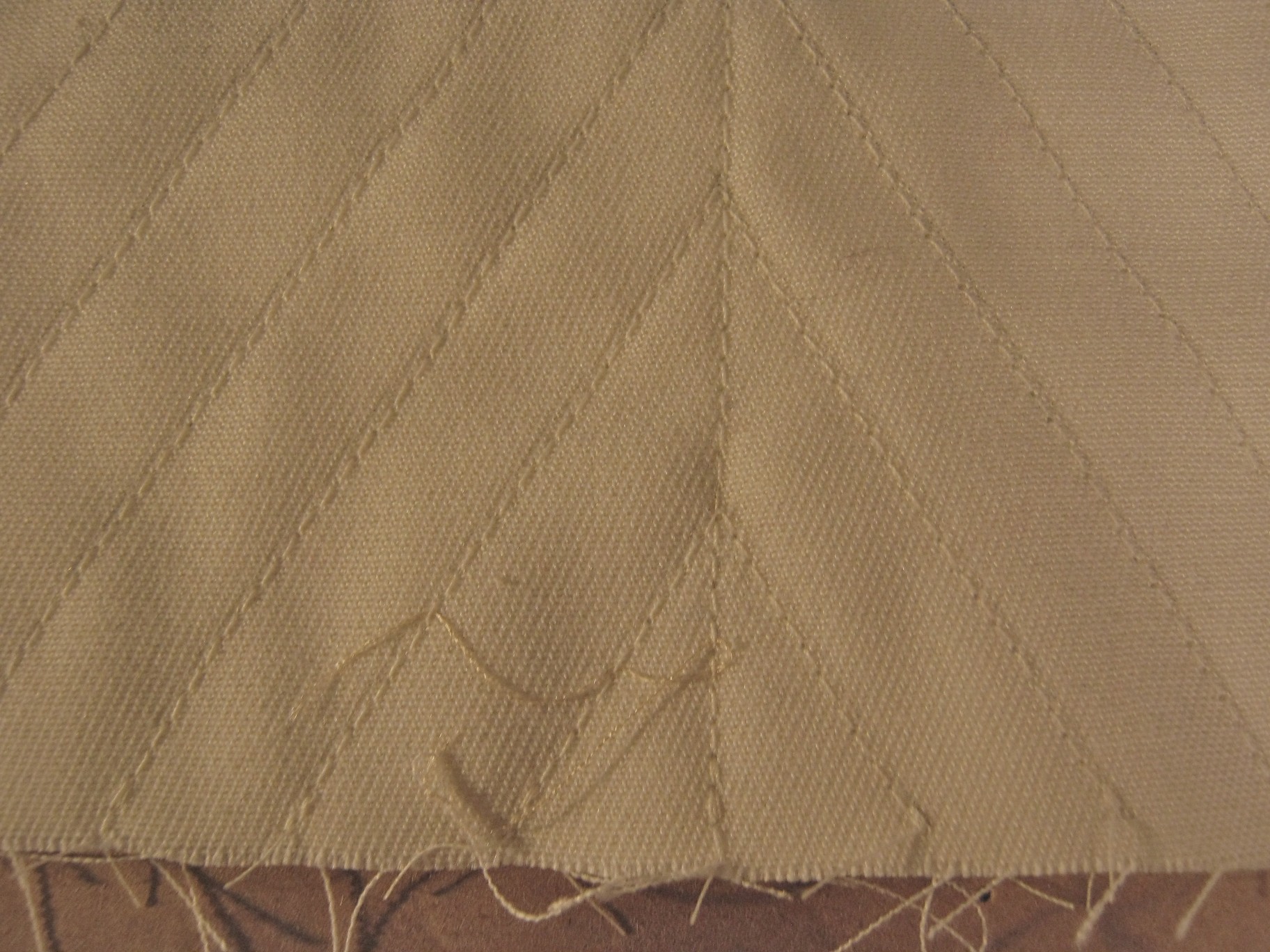
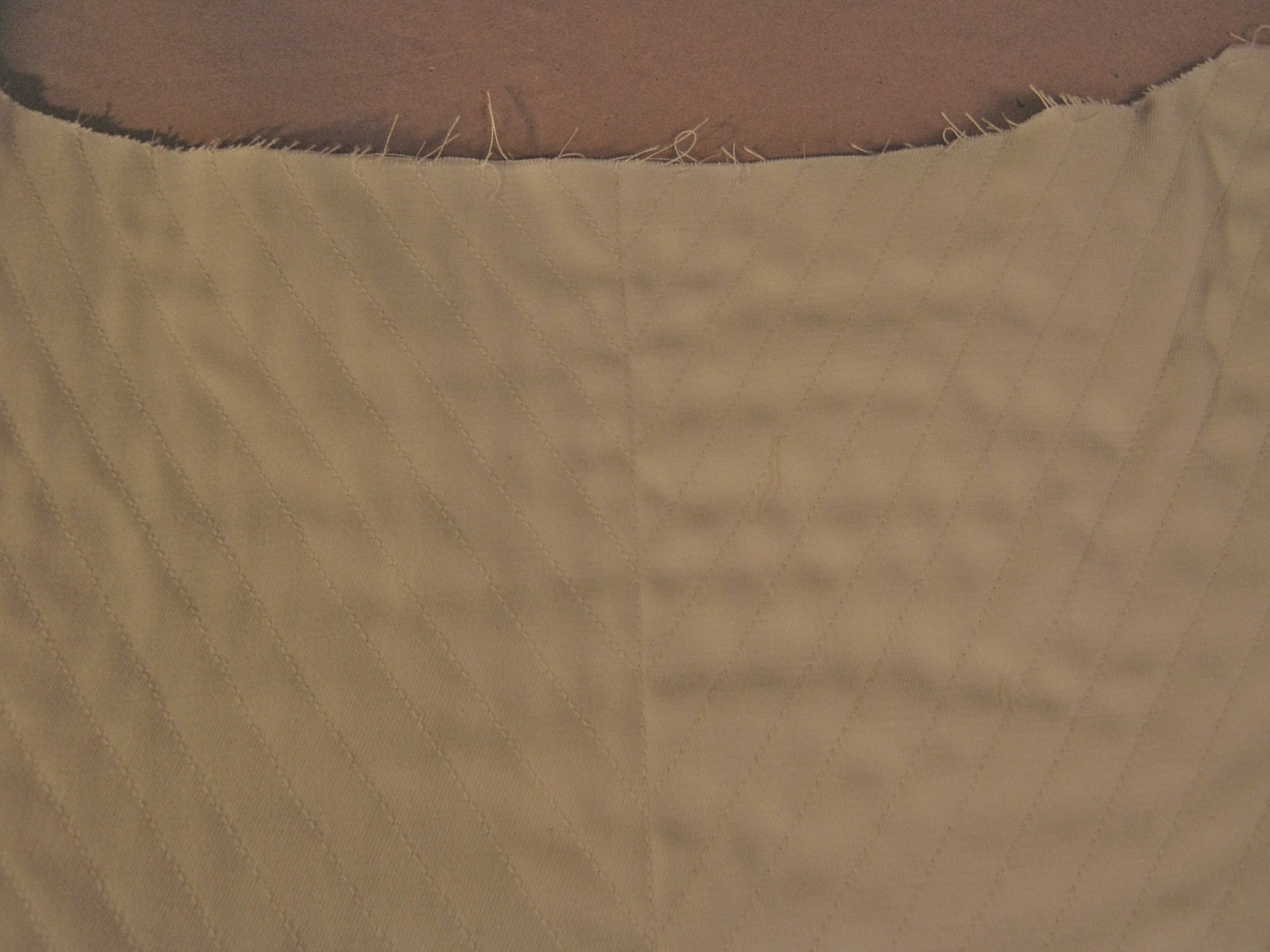
I didn’t want to stitch boning channels through my silk so I started the construction process by stitching the boning channels through two layers of cotton. You can see that I drew lines on the fabric so I could make nice, straight lines. The nice this about this is that I covered the pencil marking side with the silk, so on the inside of the finished corset all you can see is the stitching with no indication of pencil lines!

You can see the pencil guide lines on this side of the corset
On this side there are no pencil lines!

I did want my silk to roll around the center back opening on each side and then be included in the seam attaching center back to the next piece, so I stitched those silk pieces into the seams of the cotton. I just kept the silk out of the way while sewing the boning channels. Then, once the boning was complete, I stitched the remaining silk pieces to the flapping center back pieces and turned the whole thing so that the silk was on the outside with the seams facing the side of the cotton that had the pencil lines drawn on. Thus, the silk is just a covering for the cotton, it is not actually attached into the seams of the cotton except on the inside at the side back seam. You can see what I mean in the pictures below.

Stays with the boning channels sewn (you can see that only the center back silk pieces are attached at this point)
Stays with the cane boning inserted, before the silk is sewn on
The silk has been attached (you can see the cording and the pattern on the silk in this picture)

At this point the stays are almost finished! The last few tasks are to bind the edges (I’ll be using bias strips cut from the same cotton as the cording and lining) and work hand sewn eyelets along each side of center back. More pictures to come!

Project Journal: 1780s Ensemble Part III: Undergarments and Sources

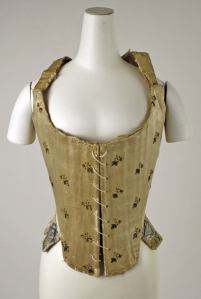
I’ve decided to build a Robe a l’Anglaise, in addition to a chemise and pair of stays to wear under it. You can look at this post to see pictures of the Robe a l’Anglaise. The style of stays that I plan to use is the one below left: no straps allow ease of movement in the upper body, which is more suitable for dancing. The corset on the right is from the same period: I include it for informational and comparison purposes. Many stays at this time were either made of patterned or colored cloth, as these two are, and I enjoy the use of color on the undergarments.

c. 1780 Wool and Linen Corset and the Metropolitan Museum of Art
c. 1780 Silk Stays at the Metropolitan Museum of Art

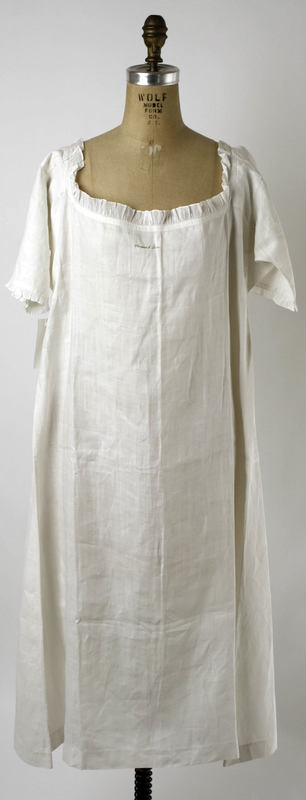
The chemises that were worn under these stays were fairly simple and almost always constructed of linen. Here are a few examples.

c. 1780 Linen and Cotton Chemise at the Metropolitan Museum of Art
1780-1800 Linen Chemise at the Metropolitan Museum of Art
1790-1810 Linen Chemise at the Metropolitan Museum of Art

I’ve collected some interesting (and sometimes conflicting) information regarding clothing from this period: these sources below were most helpful.

One of the best resources for this project is The Cut of Women’s Clothes: 1600-1930 by Norah Waugh. This book has images, patterns, contemporary quotes and construction details. It’s a great reference book to have access to for historic projects. Another wonderful reference book is Patterns of Fashion 1: 1660-1860 by Janet Arnold. This book is great supplement to Norah Waugh because it has an abundance of great drawings to explain the construction of garments. Another book that I know would have been useful to have is Seventeenth and Eighteenth-Century Fashion in Detail by Avril Hart and Susan North.

This website is also a great resource: La Couturiere Parisienne. It includes a fantastic collection of fashion plates, paintings, construction and pattern information, as well as fabric and color research for clothing from the 1400s through the 1900s. (Just a quick note that it can be viewed in English or German, and if you suddenly find yourself viewing it in German look to the top right for a little icon that you can click to switch it back to English.)

In terms of the materials needed for these items I found a great source for this project and future projects here: Wm. Booth, Draper. This website has all sorts of great things. For example, low prices on yardage of linen, cotton, and silk (in 18th century patterns and colors) and cane boning for corsets.

Returning Heroes 1860s Ball 2011

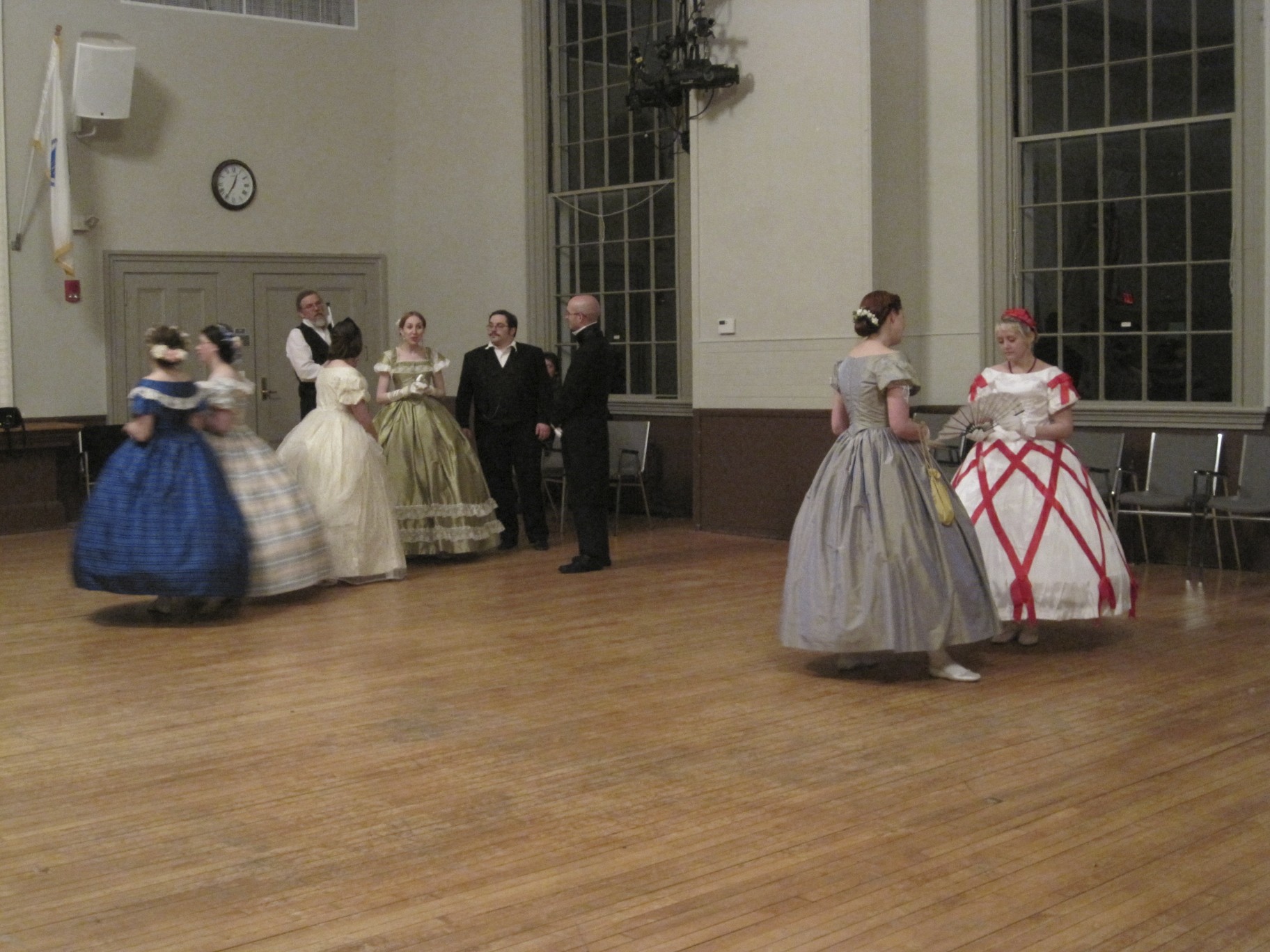
I was reminiscing recently and realized that I neglected to post about the Returning Heroes Ball hosted by the Commonwealth Vintage Dancers in March 2011! I had such a fantastic evening that I decided that late is better than never!

I have been dreaming of being in a room full of people all wearing crinolines and period menswear for years: the 1860s are my most favorite period! The night started out with all the ladies helping each other get dressed: lacing corsets, donning hoops and petticoats, fluffing skirts,  and securing bodices. Of course, it does take some time to get dressed, so while we were dressing the band was warming up and the men were standing around looking important and discussing… well, who knows what?

We were supposed to be using dance cards, but I was disappointed in that part of my dream as we wound up not using the dance cards that had been prepared. But that didn’t dampen my spirits for more than a minute or two, because the band started playing and we began to dance!

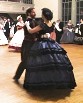
I have two favorite moments from the night: 1- dancing the Grand March in which every lady was wearing hoops (there was a lot of friction as well all spiraled around each other), the best part of which was joining in lines and progressing down the hall to “Dixie” and 2- dancing a waltz with a Zouave (see picture left).

Here’s a few more pictures (I should have taken more, but I was busy dancing!). I’ll just end with this video from the Returning Heroes Ball in 2007. It starts with a Grand March and starting at about 60 seconds “Dixie” is playing! Enjoy!

Project Journal: Victorian Women’s Tailoring Part XI: Time to celebrate!

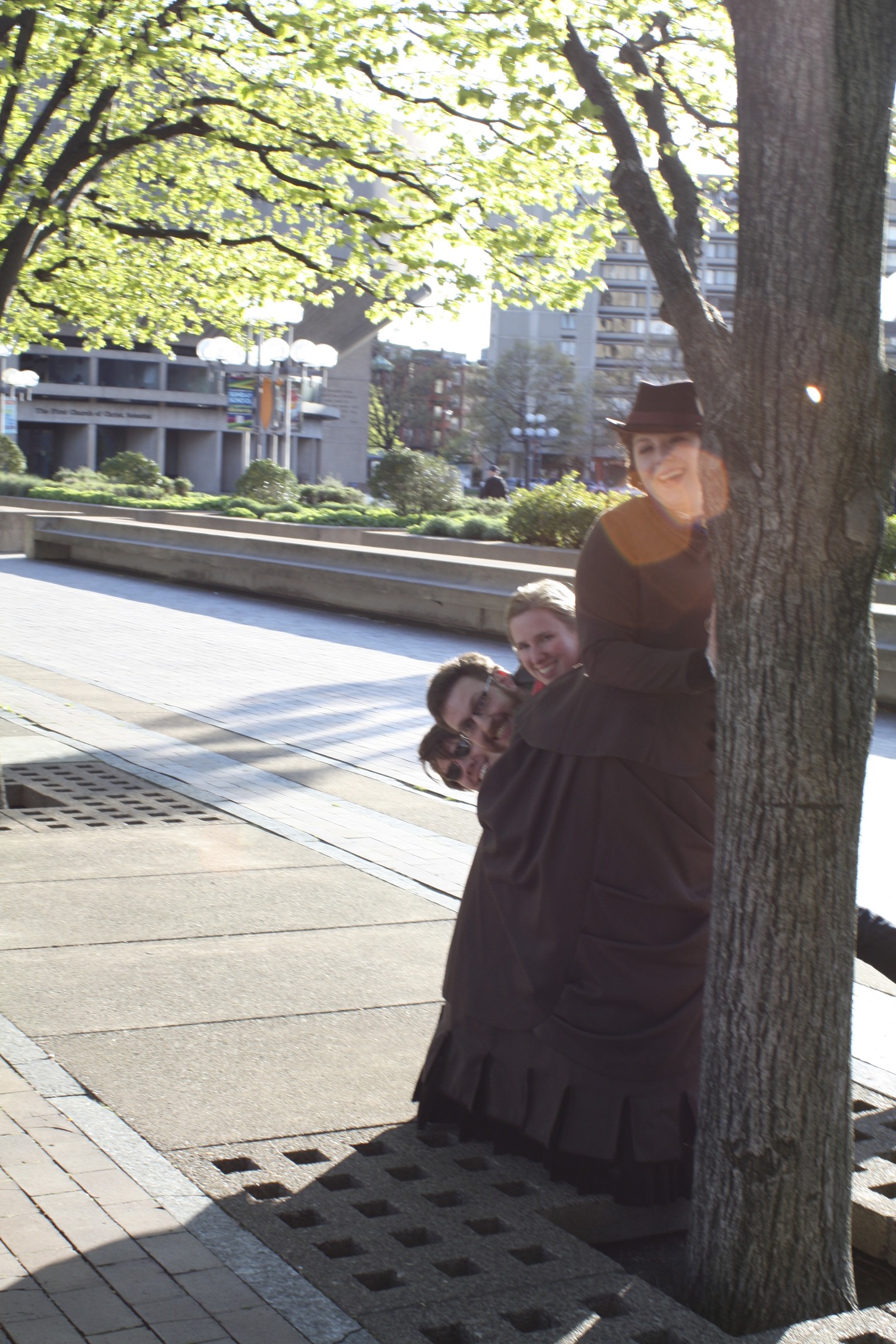
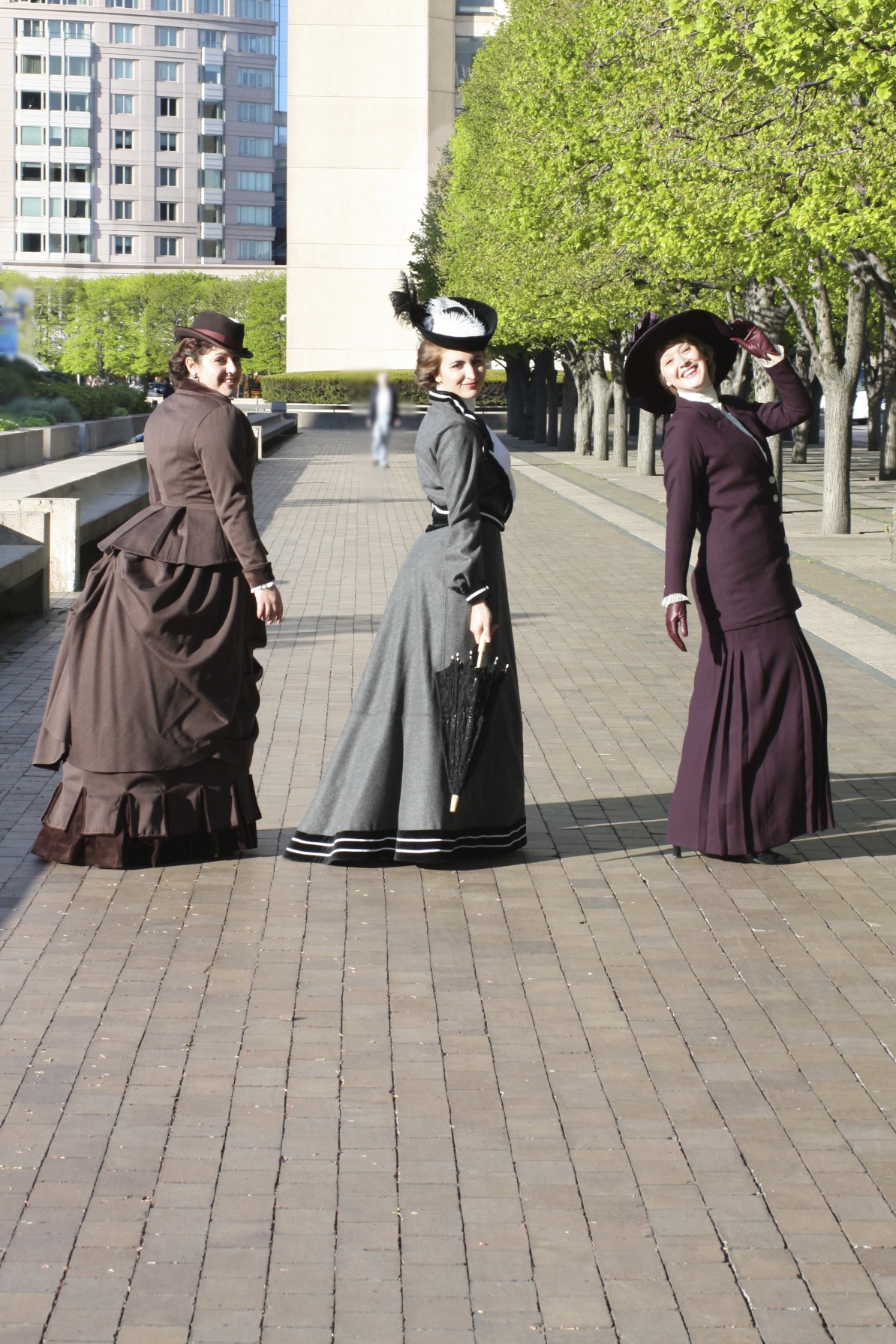
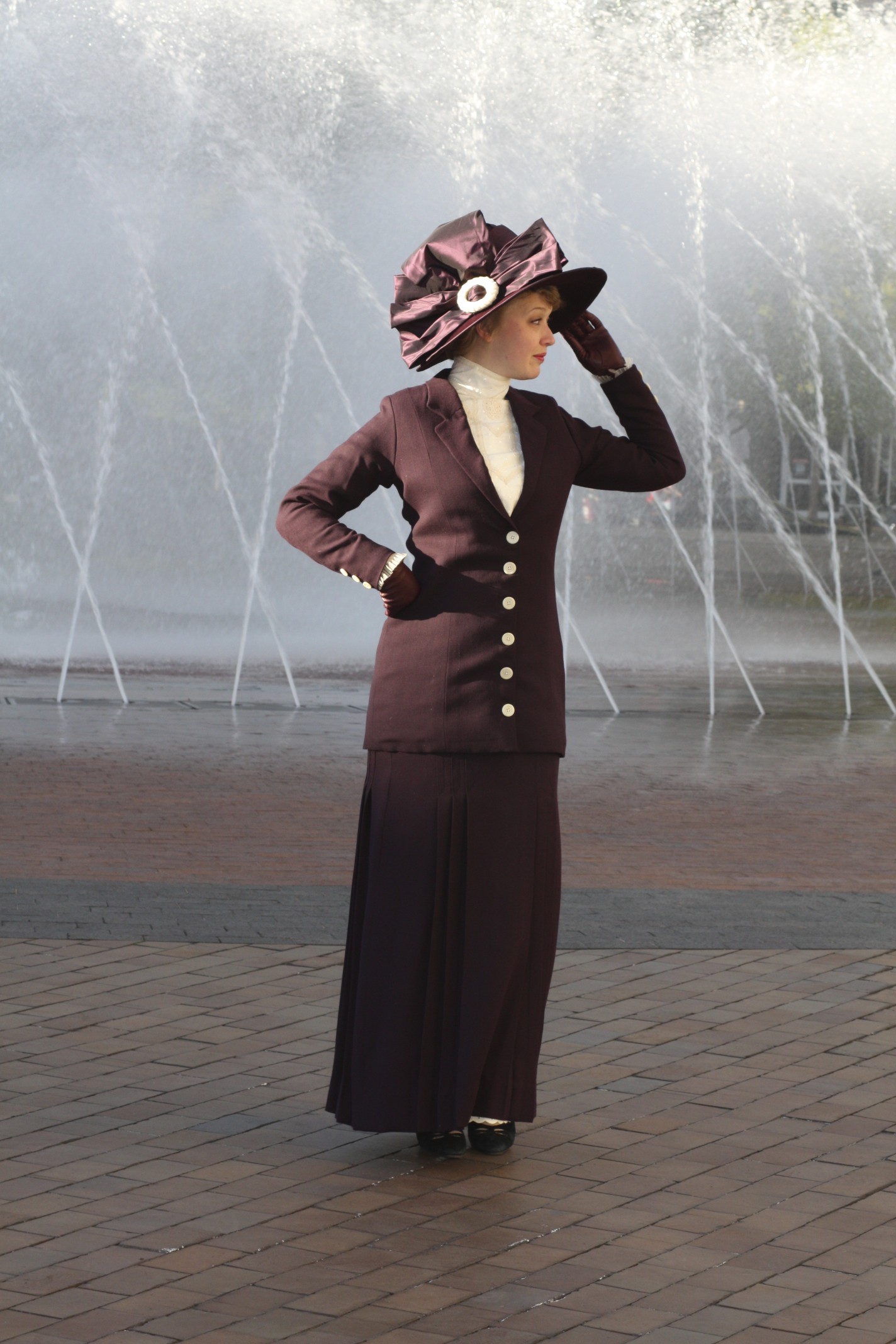
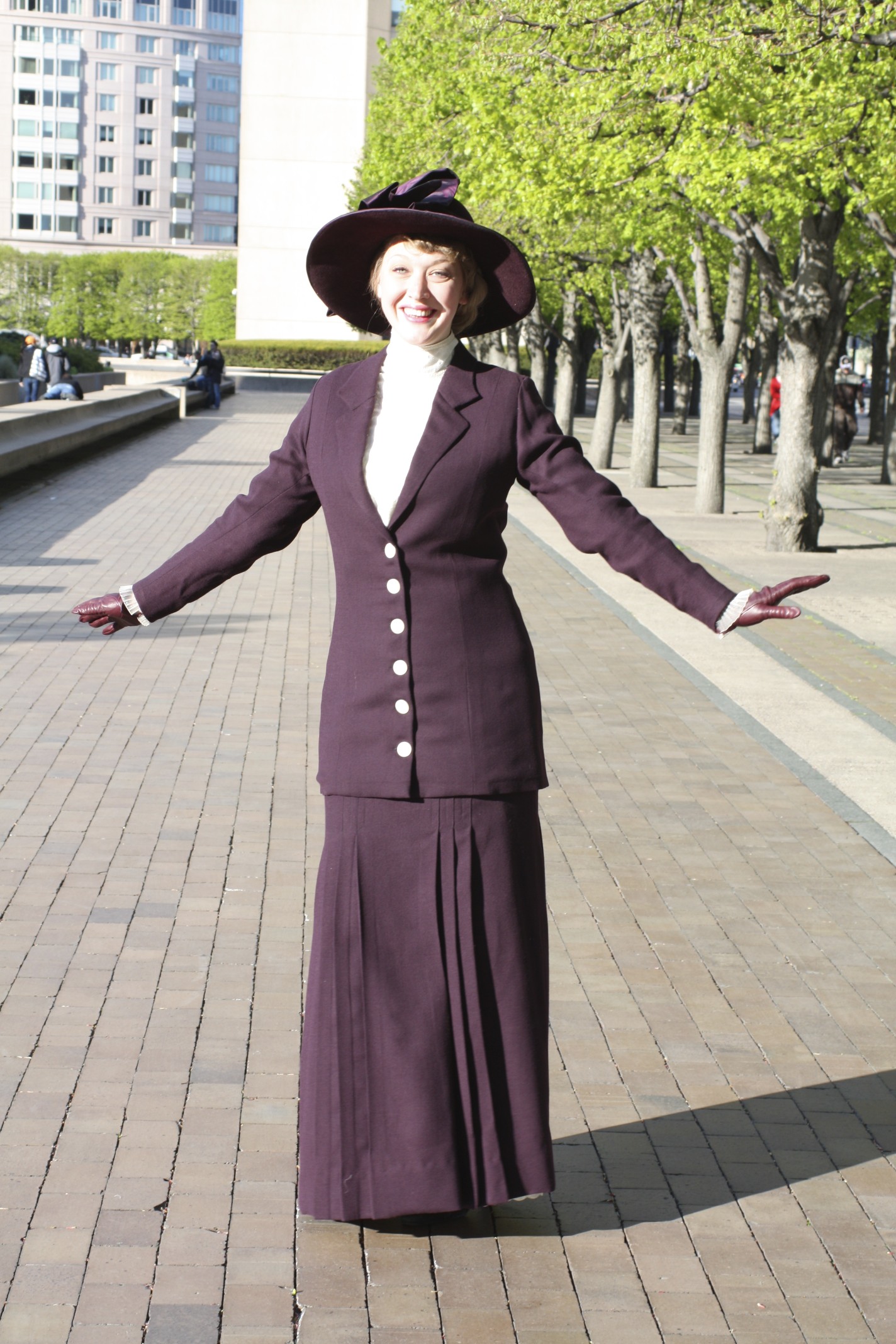
As a finishing touch to my Women’s Tailoring Project, I thought I’d share some silly pictures from my photo shoot with you! We received many strange looks and even had strangers whipping out their cameras to snap photos… I’m sure they were very confused about what was going on!

How many people fit behind a bustle???
Can a bustle hide behind a tree???
Waiting to cross the street...
Squeezing between cars (...I mean carriages...)
Let's all promenade!
Laughs are good, too!
Wait for me!
Strike a pose!
Don't forget to smile!
Trading hats and looking great.
Cut! I DID IT!!! Time to celebrate!

Project Journal: Victorian Women’s Tailoring Part X: 1913 Gallery

Here we finally are, at 1913! Let’s look at some truly lovely pictures!

1913: Wool Suit. Wool Hat with matching Taffeta trim.
1913 Suit and Hat
1913 Suit and Hat
1913 Suit and Hat
1913 Suit and Hat
1913 Jacket and Hat
1913 Skirt, Blouse and Hat
1913 Blouse and Hat
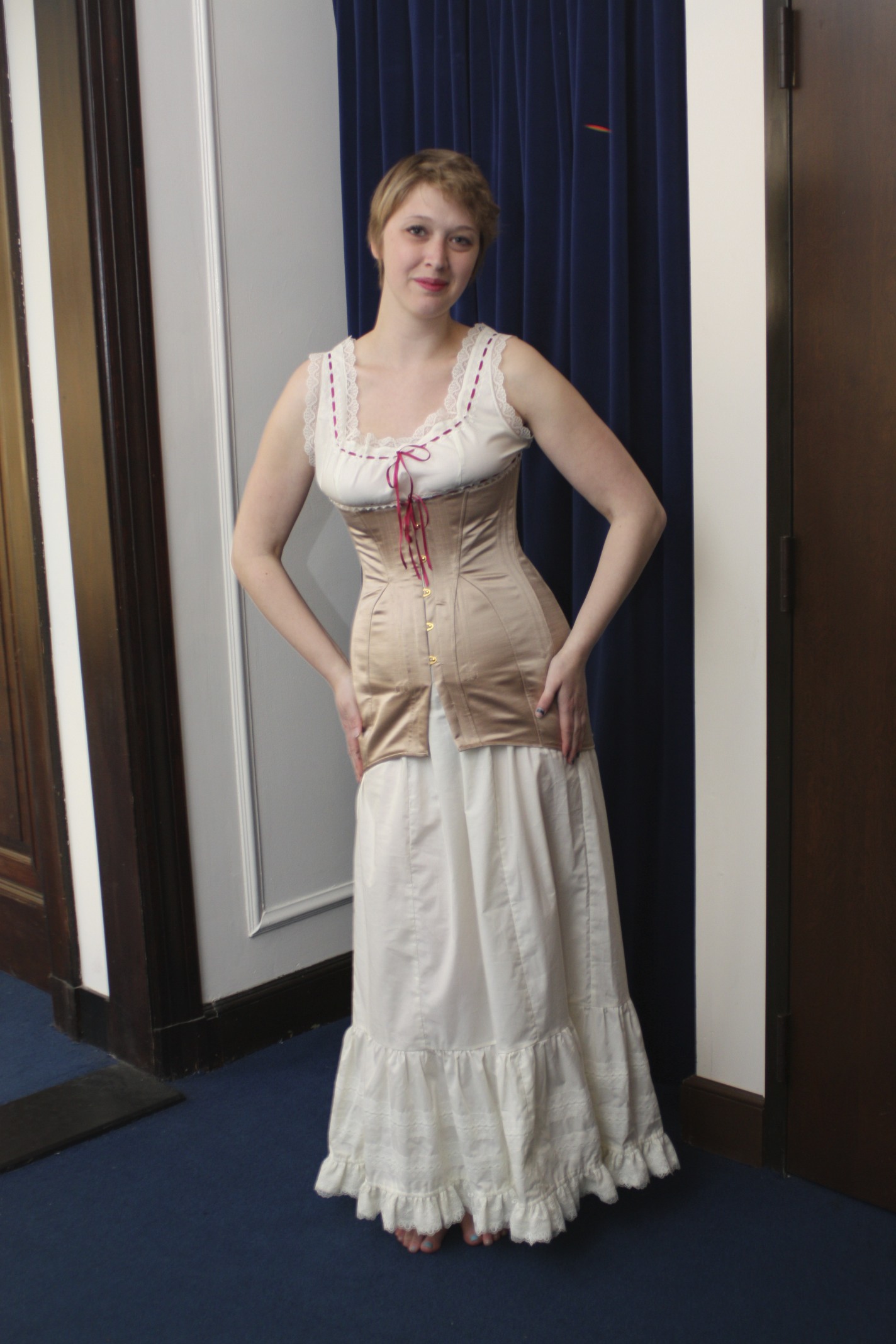
1913 Undergarments: Corset Cover and Petticoat
1913 Undergarments: Chemise and Corset
1913 Corset

Project Journal: Victorian Women’s Tailoring Part IX: 1903 Gallery

Well, we just got to see my 1883 tailoring project. Now let’s enjoy taking a mental stroll with my 1903 tailored look! Again, there are lots of pictures to see!

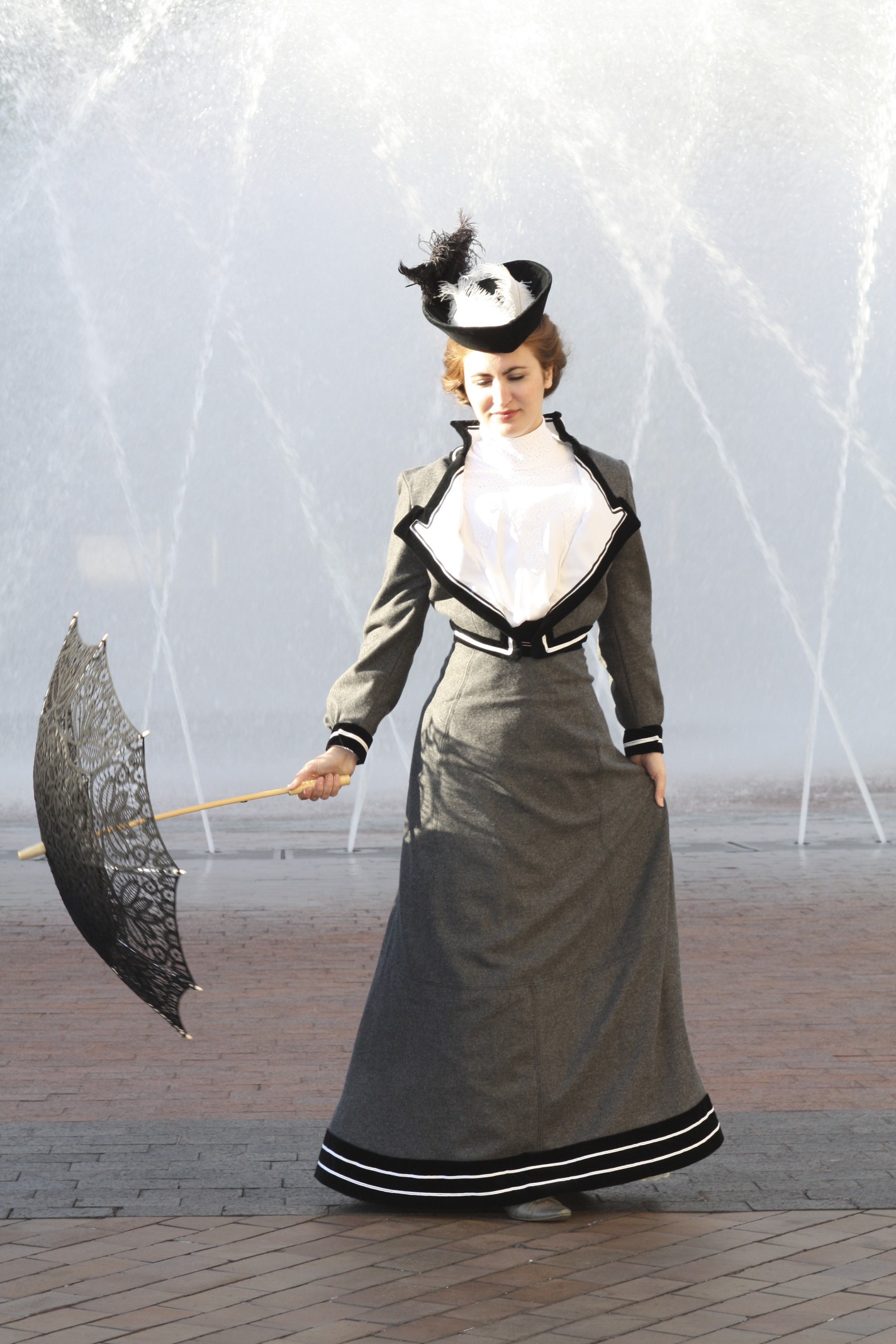
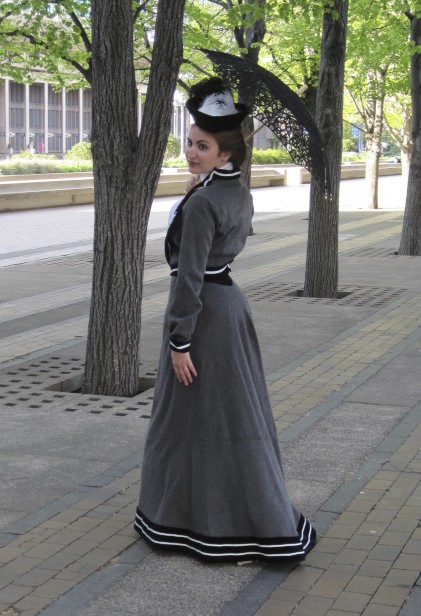
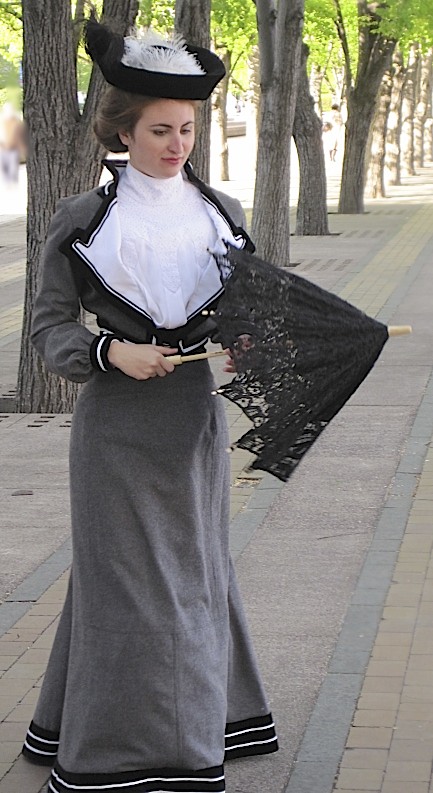
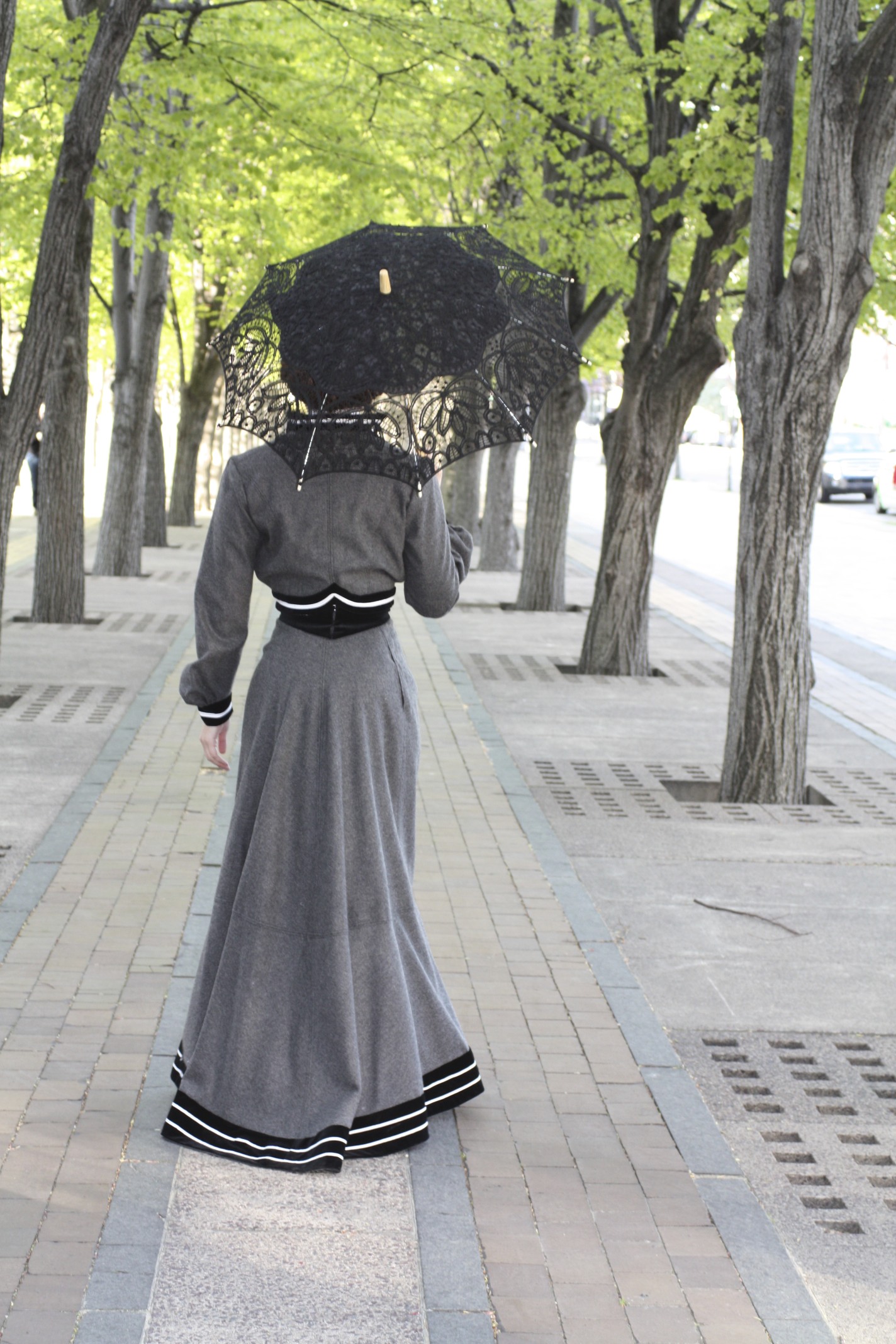
1903: Wool jacket and skirt trimmed with cotton velvet. Velvet covered buckram Hat.
1903 Skirt and Jacket
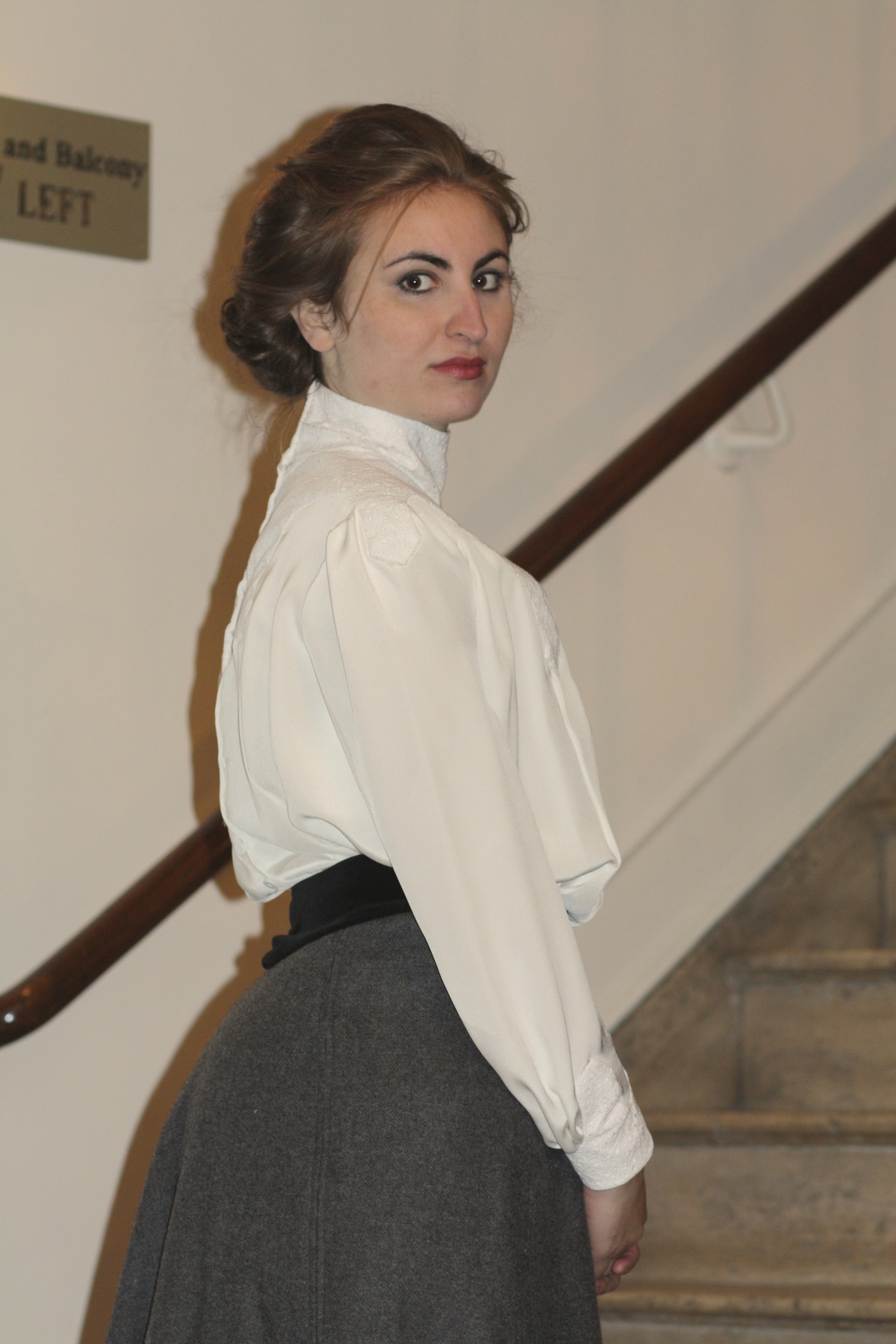
1903 Blouse
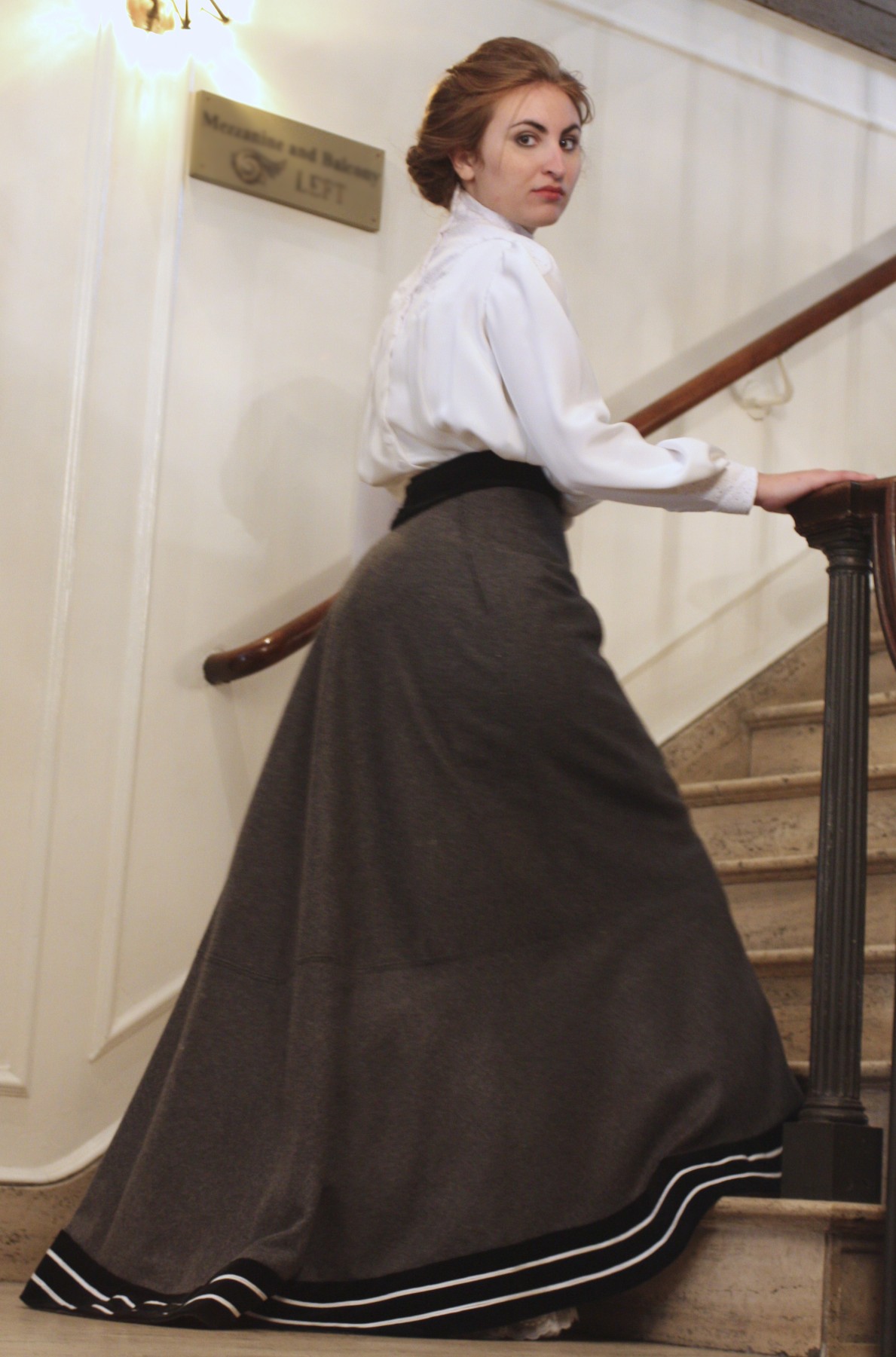
1903 Skirt and Blouse
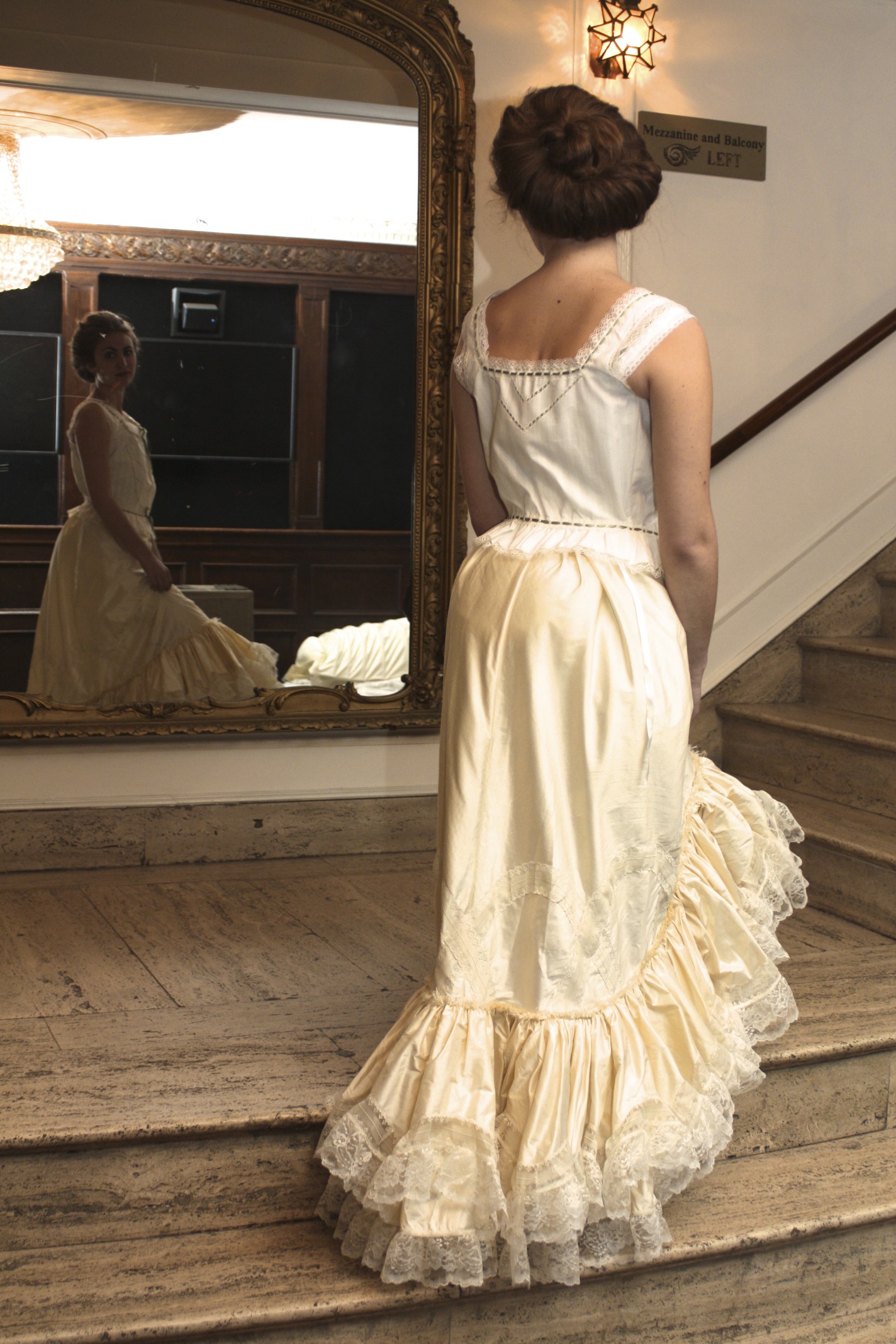
1903 Undergarments: Corset Cover and Petticoat
1903 Undergarments
1903 Corset Cover
1903 Undergarments: Combination and Corset
1903 Corset

Project Journal: Victorian Women’s Tailoring Part VIII: 1883 Gallery

Oh my goodness my 1883 tailored bustle dress and undergarments are finally finished!!! YAY! Let’s glory in the beautiful pictures and the fabulous clothes… Since I can’t decide which pictures I like best, you get to see more than a few.

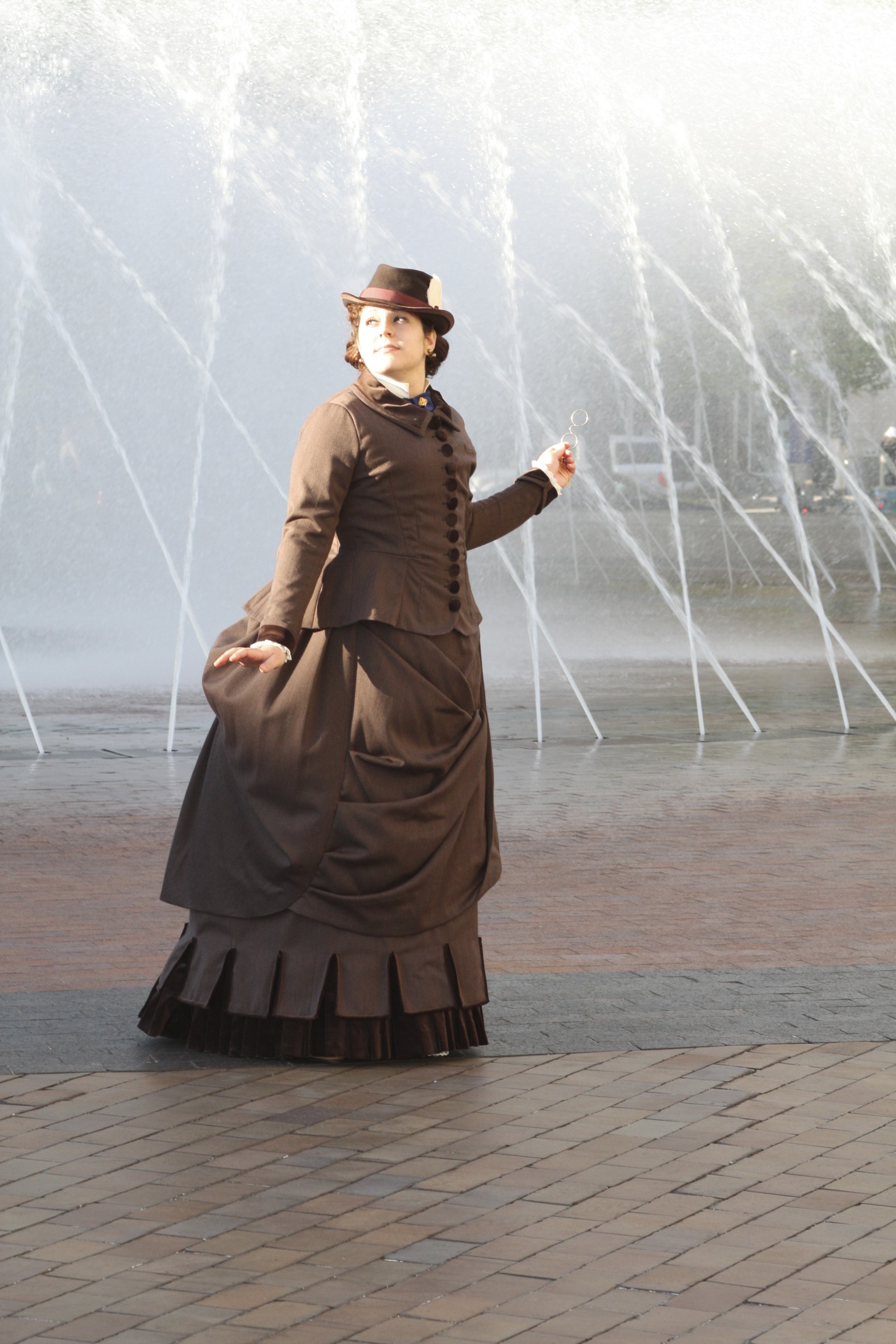
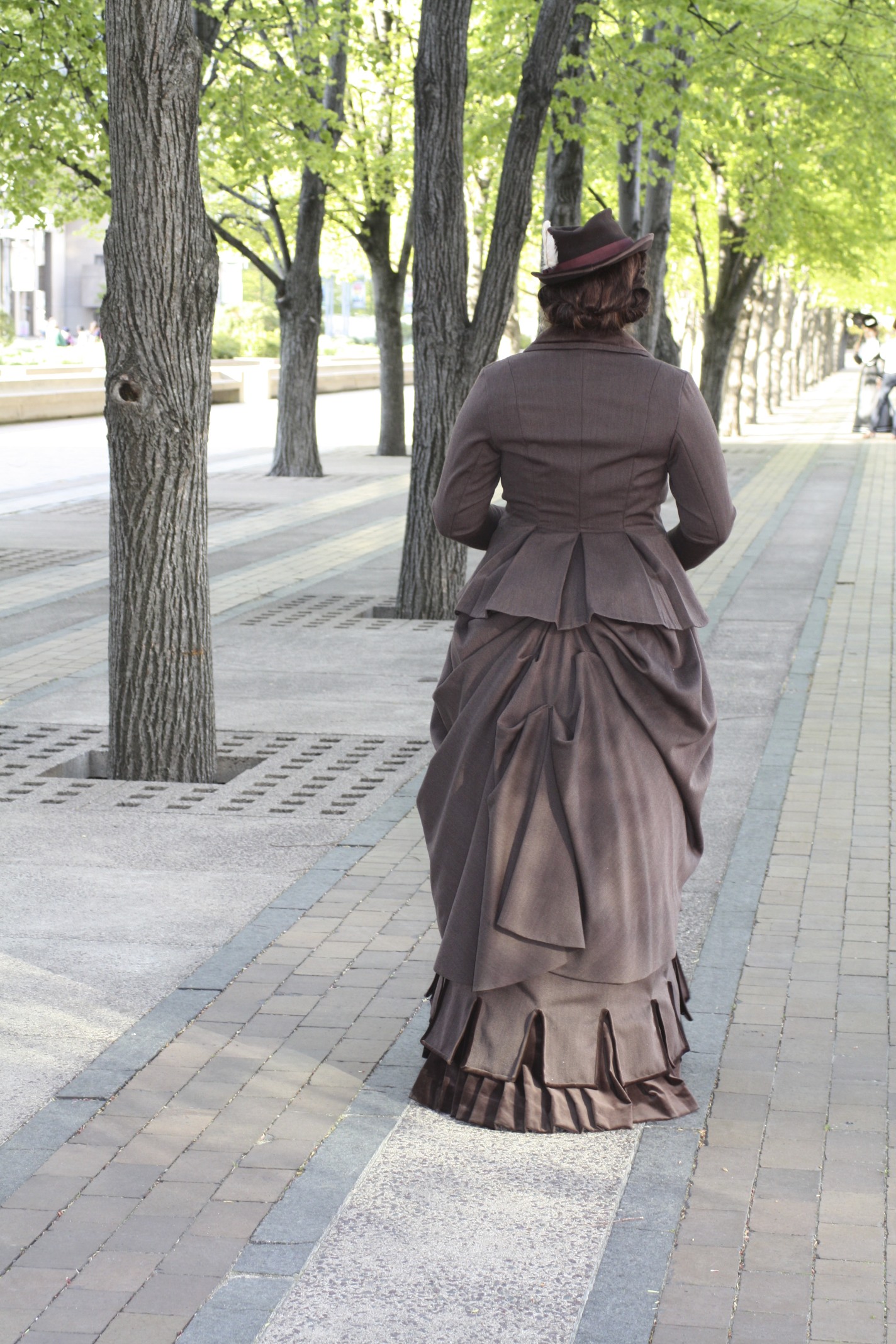
1883: Wool skirt and jacket with velvet trim. Wool hat trimmed with velvet and feathers.
1883 Bustled Skirt
1883 Bustled Skirt
1883 Skirt and Jacket
1883 Jacket and Hat
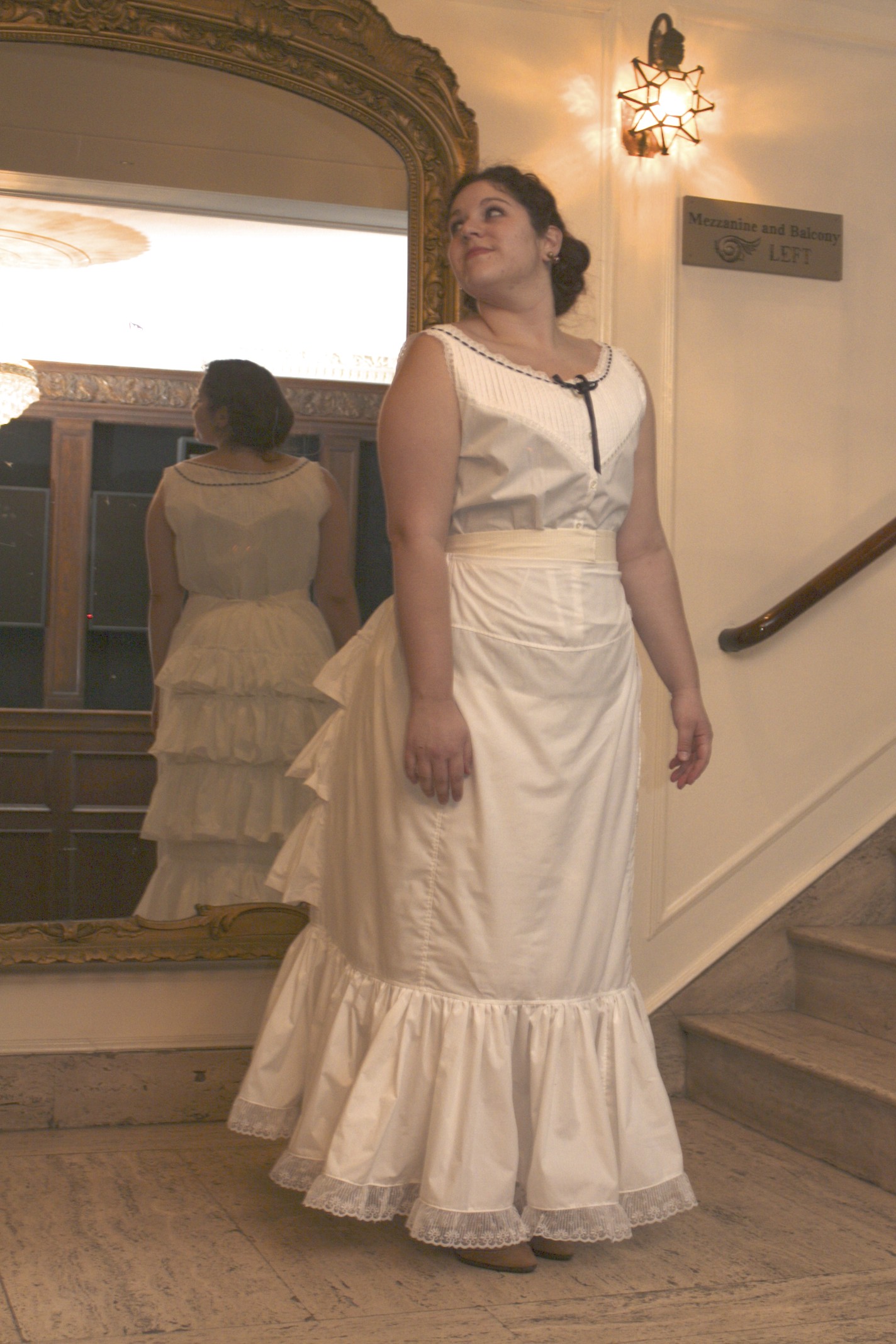
1883 Undergarments: Petticoat and Corset Cover.
1883 Undergarments: Bustle!
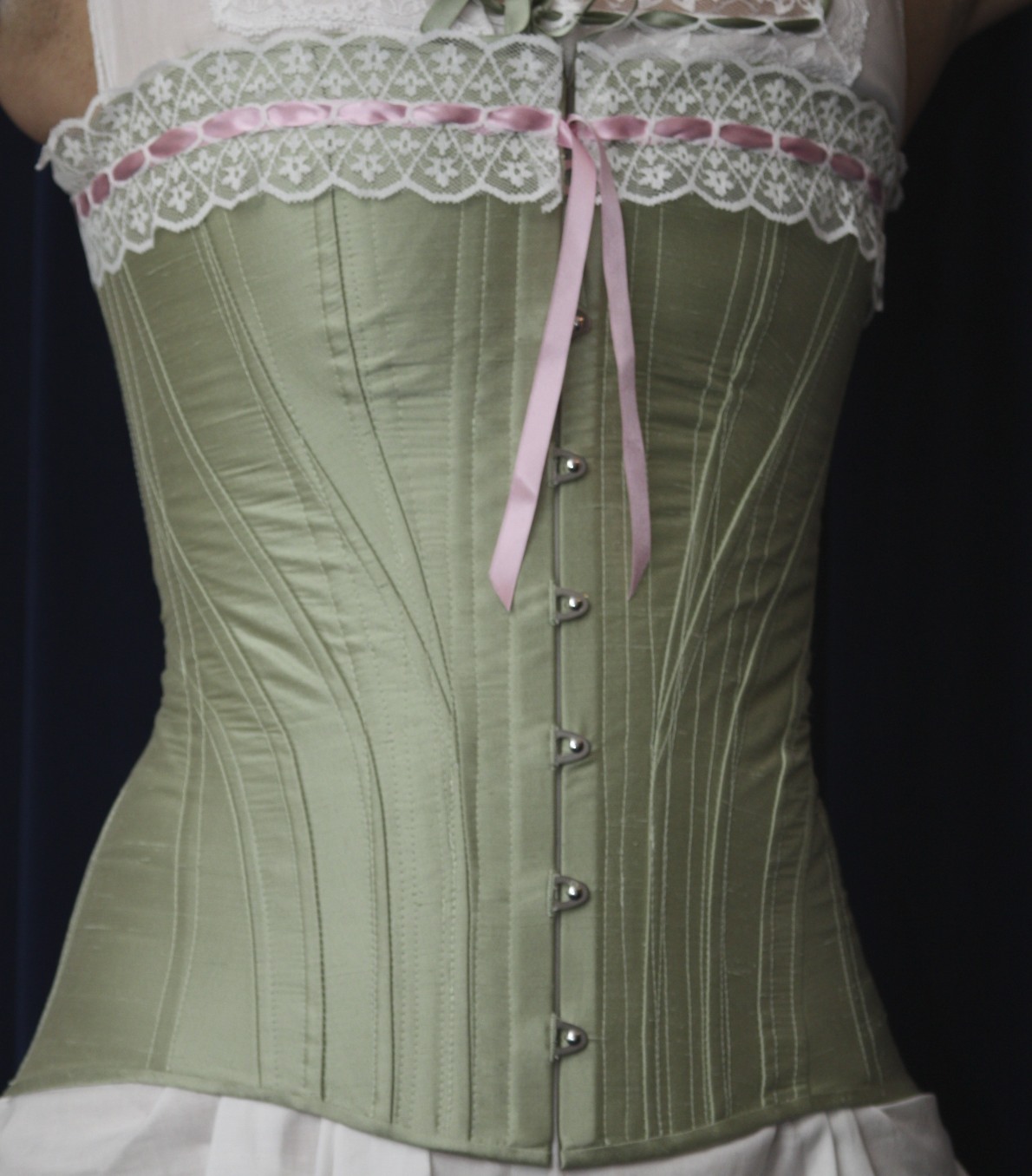
1883 Undergarments: Chemise and Corset