Project Journal: Versailles Sacque: Meet Mr. Panniers

There are five big checkboxes on my related-to-the-trip sewing to-do list before my trip involving Versailles in May:

  1. Panniers
  2. Petticoat
  3. Robe a la francaise (with a subset of trimming)
  4. Hair
  5. Shoes

This week, I checked the first item off the list!

IMG_0681
“Take that, Mr. Panniers! You are totally and completely done!”

I think part of the reason I feel so triumphant is that I really had to wrangle these to make them bend to my will. I started back in 2013 or 2014 when I decided to join the 18th Century Court Gown Sew Along. At that point, I made the decision to use the Simplicity pattern (#3635) and $1/yard lightweight and tightly woven mystery fabric from my stash.

At first, everything seemed to behave: I cut out the pieces and started sewing. Then I realized I didn’t have time for the project and so I let the panniers languish until earlier this year when I pulled them out again to finish them so I could use them as a base for my Versailles Sacque. Perhaps it was the languishing that caused Mr. Panniers to take on a personality and want to thwart me when I got back to him this year…

It started with perfectly amiable sewing. The waist casing and drawstring were without event. And then, boning! There was twisting, and warping, and curving inwards, and all sorts of bad. The lower three bone channels eventually cooperated, but those angled top bones? Nope! No cooperation from them! (Yes, check my picture, there are no angled top bones. No, I’m not trying to trick you.)

The bones curved in on my bum and front side so badly that it made the panniers look like a jelly bean! Not what I was aiming for. My solution was to unpick the channels across the front and back (not the sides) and make one continuous horizontal bone channel like those below it. (That’s why you can’t see angled bone channels in the picture.) But the fabric is a very tight weave and does not easily forgive pin or needle holes, so you can still see the angle I originally stitched as directed by the pattern if you look closely.

IMG_0682

Mr. Panniers was much more cooperative with the new horizontal channel across the top. Whew! And ok, I have to take some responsibility for the problems because I’m confident that some of the struggle was due to my choice of boning–1/2″ wide zip ties about 18″ long that I masking taped together to get the lengths I needed. I have to pack this guy, and having bones that don’t weigh a lot (like metal) and won’t break (like cane or reed) was high on the list. The bones are simply overlapped in the channels, each of which has an opening, so the plan is to remove them (and label them) for packing, then reinsert them once I’m unpacking the whole ensemble in France. Anyway, the zip ties were coiled in the packaging and didn’t want to change their shape, which is why the angled bones were curving in towards my body and why the whole thing is so bent on warping if not carefully and delicately handled.

IMG_0684

Here’s a look at Mr. Panniers interior. The white ribbons are suggested in the pattern to help keep the shape. They’ve all been adjusted to my body shape (tedious, but worth it–sewing these on and fixing that angled bone channel problem were the things that kept this from being finished a month ago!).

As you can see, in terms of materials and construction, Mr. Panniers aims for the right shape as the goal. To that end, I appreciate that with my overlapping bones I can easily adjust the size at any point by overlapping the bones more. I find that this pattern is a bit too trapezoidal for my taste, so I’ve overlapped the bottom bone a little extra to make the skirt hang more vertically from about the knee down.

Needless to say, the bones are staying in and Mr. Pannier will be resting flat and collapsed until I need to pack him, so that for any fittings, etc. no more wrangling will be necessary.

(Side question: Does anyone know when it would be appropriate to use singular ‘pannier’? Would that be appropriate for referring to one of a set of two pocket hoops, for example?)

Side note: this is officially the last post that will be tagged 1770 court gown, since that project has now morphed into the saga of the Versailles Sacque and accessories.

Summary Of 2015: Looking Forward To 2016

It’s that time of year, when I look back at what I’ve accomplished in the past year and share what I’m thinking of for the next year. As usual, I rather forget all that I’ve accomplished until I stop to think about it. When I put together pictures for this post it’s always amazing to see how many awesome projects I completed and how many special events I was able to be a part of in absolutely stunning places.

To start, projects I completed in 2015:

IMG_1956
January: One of my favorite ever outfits to wear, 1895 Skating Ensemble (HSF/M #1)
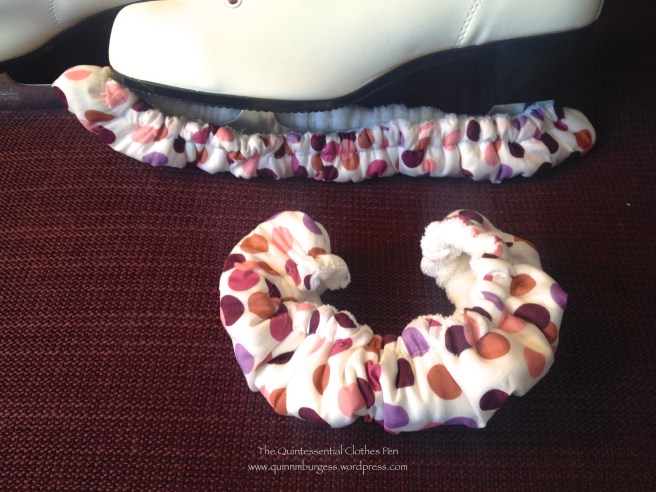
IMG_2021
February: Polka Dot Ice Skate Soakers
IMG_2042
February: Completed 1811 UFO (HSF/M #2)
IMG_2195
March: Turban Fillet
IMG_0622
March: Flower Basket Fancy Dress
IMG_2254
May: Modern Dotty Tap Pants (and a pair of jeans turned into capris that I wore all the time this summer but didn’t get pictures of)
IMG_2390
June: 1924 Robe de Style
IMG_2344
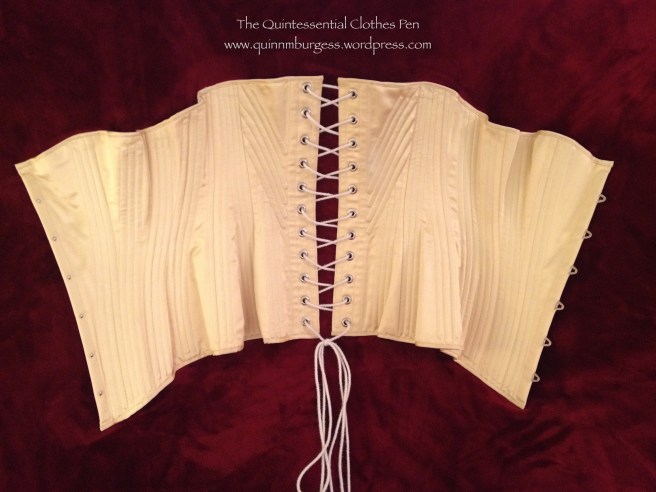
June: 1880s Steam Molded Corset (HSF/M #6)
IMG_2446
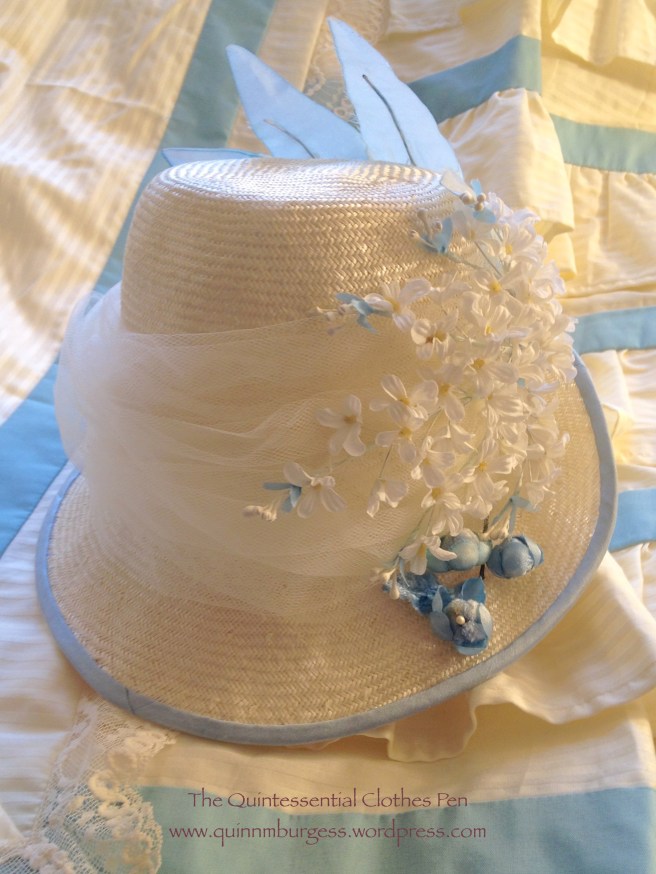
July: 1880s Flower Pot Hat (HSF/M #7)
IMG_2658
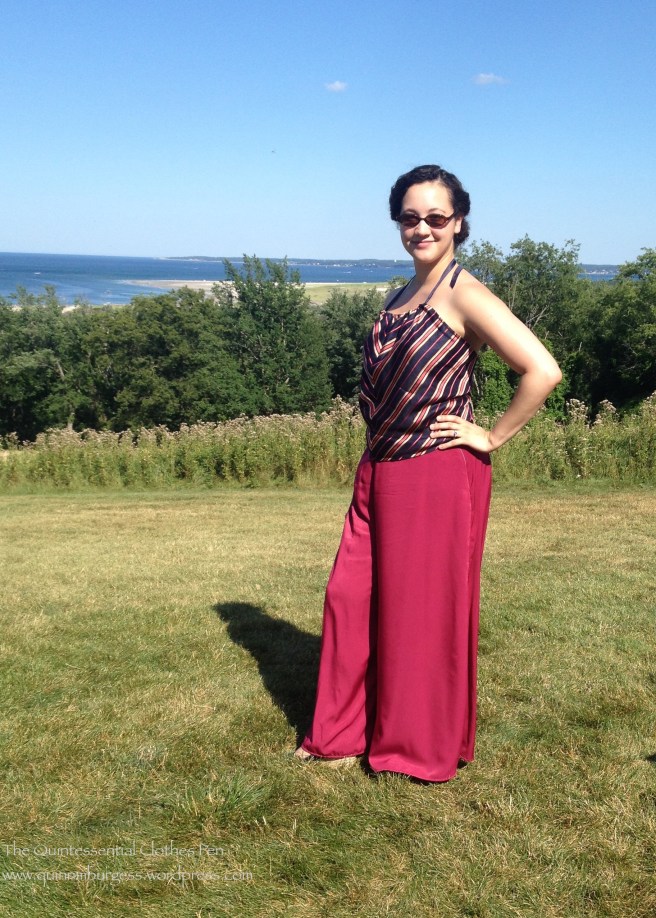
July: 1930s Beach Pajamas and Halter
IMG_2725
August: 1885 Frills and Furbelows Dress


IMG_1597
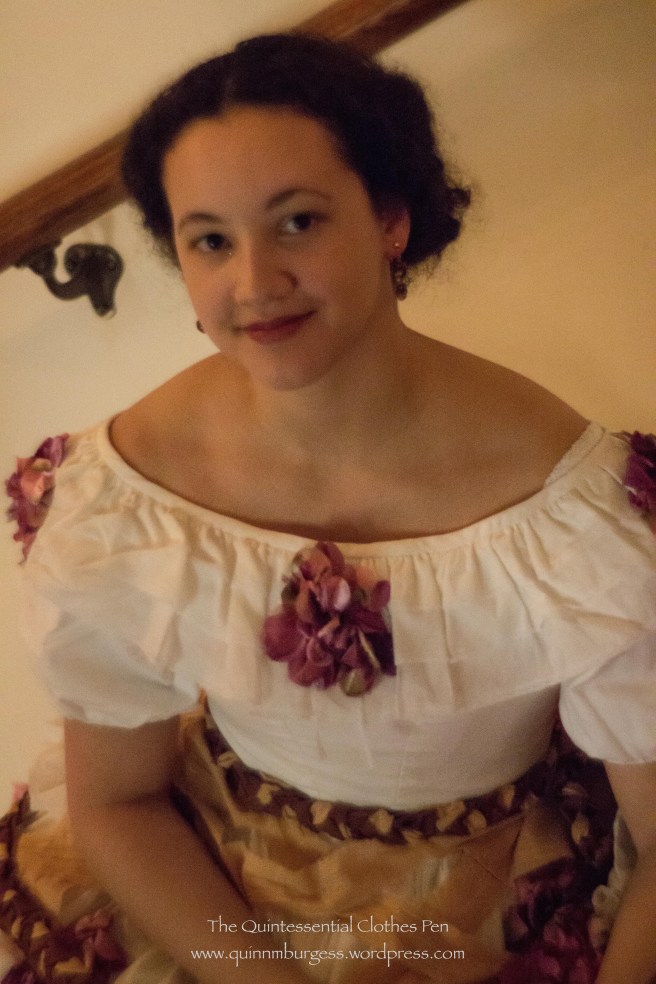
September: 1910 Dowager Countess Evening Gown (HSF/M #10)
IMG_1915 blog
November: A serious accomplishment, my 1814 Vernet Ensemble! (Don’t worry,I’ll be posting details about this ensemble in 2016!)
IMG_2069
November: Green Regency shawl (HSF/M #12)

Also in 2015:

I participated in the Historical Sew Monthly 2015 and completed 6 of the 12 challenges. As usual, many of things I was sewing did not line up with the challenges. I wasn’t sure if I was going to participate in 2016, as I tend to sew the things that I have an immediate opportunity to wear or that bring me joy without intentionally matching them up to a challenge, but I’ve decided to attempt it and see how I do.

In terms of events, I participated in 25 in 2015: 6 balls, 11 other events (teas, picnics, outings etc.), and 8 vintage dance performances.

Sewing-wise, I completed many of the things on my 2014 “to make” list (many pictured above), including the 1895 skating ensemble, the 1811 elusive blue turban fillet, my 1814 Vernet fashion plate recreation, the 1910 dowager countess evening gown, the 1880s steam molded corset, the 1885 frills and furbelows day dress, and the 1924 robe de style. Plus, I also squeezed in some small things that weren’t on the list in 2014!

There were also things that didn’t get made, but those were all on the maybe list, so I don’t feel at all bad about not getting to them, especially when looking at all the other fabulous things I did get to making!

Looking forward, I’ve been thinking of my 2016 sewing plan for months… and already have a full sewing schedule to keep me busy through May! Beyond that, it’s a little hard to know what items will take priority without knowing what events might pop up on my calendar. Also, it’s nice to keep things a little flexible so that I can adjust my sewing level as needed throughout the year. But I can say that these projects are certain:

  • An 1899 evening gown with two skirts: one for dancing and one with a  train
  • An 1880s “Starry Night” or “Starlight” fancy dress evening gown (I haven’t decided on a name yet)
  • A 1780s robe a la francaise (with panniers and accessories)

These other things are on the maybe-sew list for 2016:

  • A modern dress made of black patterned rayon
  • An 1850s plaid ball gown and a new smaller set of hoops
  • A pair of modern black capris
  • Finishing a modern cotton dress I started in 2013
  • Finishing an 1814 pelisse and matching hat
  • A 1900s blouse
  • An 1890s daytime skirt
  • An 1830s evening gown
IMG_0255
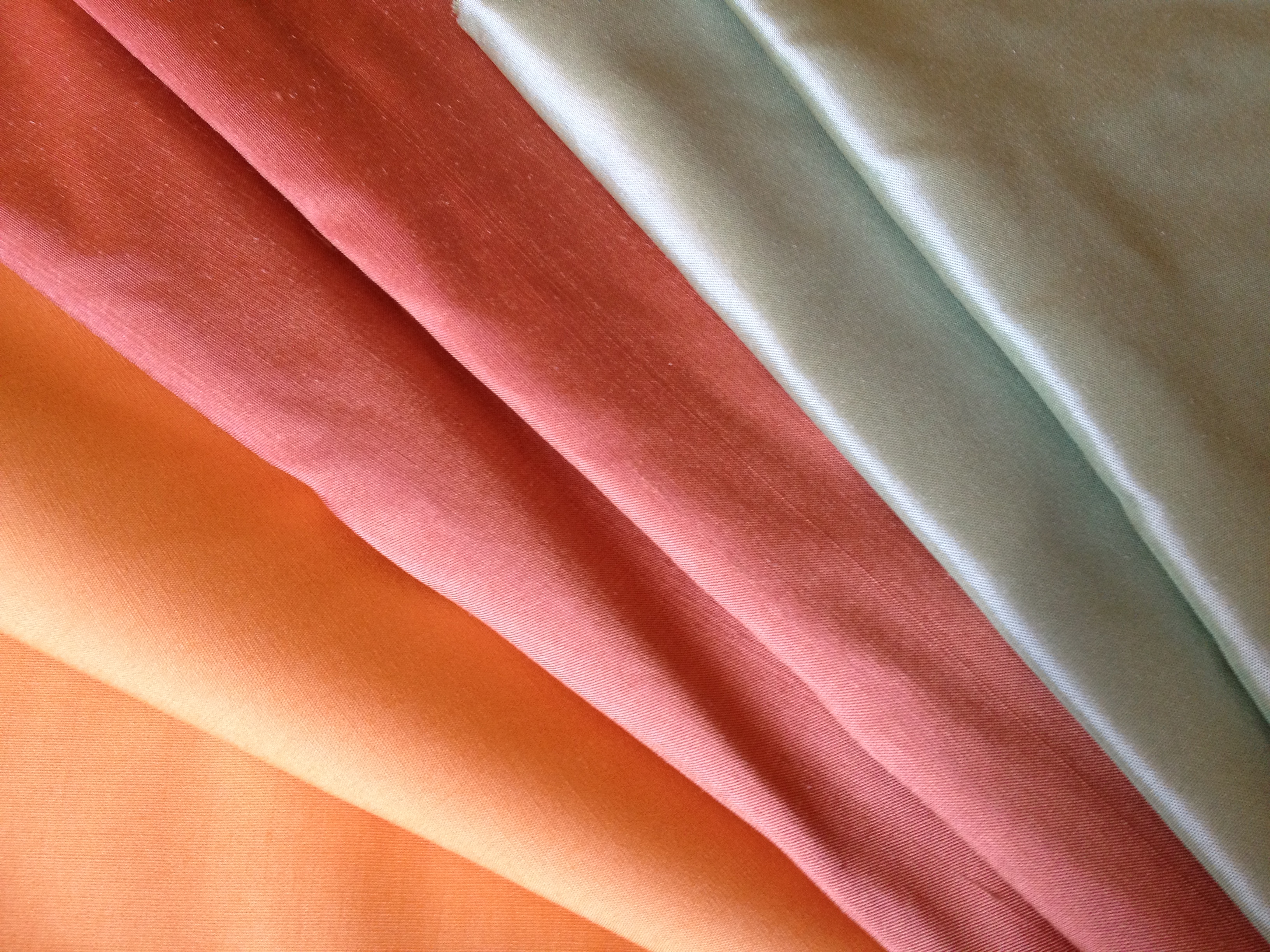
One thing in 2016 that will be incredibly special and exciting is that I’m going to make a garment from the fabric I set aside for the 18th Century Court Gown Sew Along in 2014. (It’s the pink silk in the middle… I love the colors in this picture!)

Last year, I was sad I hadn’t worked on the project very much and was hesitant to let it go… But in May, I will be attending an event at Versailles. Yup, that Versailles. In France. Yikes! And of course I need clothes! (And hair! And shoes! There will be blog posts about getting things together! It will be great to have a reason to decorate and wear the Kensingtons I’ve had since 2012, but which have never been worn!)

This event is perfect inspiration to complete my court gown… except that if I ever have need of another lovely 18th century gown for an event in the US, it would be much more practical to have a robe a la francaise in my closet instead of a court gown… Luckily for me, by the 1770s a robe a la francaise was allowed in the French court except at the most formal occasions (check out Leimomi’s post about court gown history to learn more). I’ll be making wide panniers instead of modest pocket hoops, because it is Versailles, after all, but I’m feeling better about my decision to spend all the time and materials making something that might actually be worn again. So, I’ll sort of be completing the Court Gown Sew Along. The gown will certainly count in my books, and that’s what counts, right?

0029-burgess
Blessings to you in 2016. I’m looking forward to more fun, more historical clothing, and more adventures!